
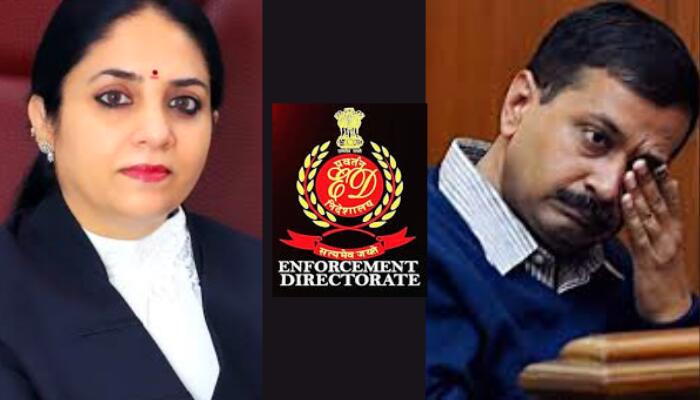
Arvind Kejriwal, former Delhi Chief Minister, has filed a representation with the Delhi High Court, asking that the high-profile excise policy case be transferred from the bench of Justice Swarana Kanta Sharma. The move comes as the Central Bureau of Investigation challenges the February 27 discharge of 23 accused, including Kejriwal and senior AAP leader Manish Sisodia, by the Special Judge (PC Act), Rouse Avenue District Courts, in the 2021-22 Delhi Excise Policy case.
In his representation to Chief Justice Devendra Kumar Upadhyaya, Kejriwal claimed a “grave, bona fide, and reasonable apprehension” that the case may not receive an impartial hearing under the current bench. He asserted that the bench had already expressed detailed prima facie views on the case, which are now directly in issue in the CBI’s revision petition challenging the discharge. Critics, however, say the move reflects a leader under pressure, appearing cornered by mounting legal scrutiny.
Legal Scrutiny Intensifies
The Delhi Excise Policy was intended to reform the liquor trade and increase government revenue. Investigations by the CBI and Enforcement Directorate, however, allege that the policy was manipulated to benefit select private businesses known as the “South Group,” with illegal gains estimated at nearly 100 crore rupees. The trial court discharged Kejriwal and others, citing a lack of independent corroboration connecting them to any criminal conspiracy and noting repeated re-recording of approver statements by the CBI to “fill gaps” in its case.
The CBI has challenged this discharge, arguing that the trial court exceeded its jurisdiction at the charge-framing stage, ignored crucial evidence in the charge-sheets, and made observations that could compromise parallel PMLA proceedings. The Delhi High Court, while hearing the petition, stayed the trial court’s critical remarks against the investigating officer and called for the digitised trial court record for further scrutiny.
Timing Raises Questions About Kejriwal
Legal analysts point out that Kejriwal’s request to transfer the case coincides with the CBI actively challenging the discharge, raising questions about his confidence in facing judicial scrutiny. Observers note that previous orders of Justice Swarana Kanta Sharma in matters related to the excise policy were set aside by the Supreme Court, which Kejriwal cited to bolster his plea. Yet critics argue that his move projects a defensive stance, suggesting unease in navigating the ongoing legal and political storm.
The 23 accused in the case include Arvind Kejriwal, Manish Sisodia, Kuldeep Singh, Narender Singh, Vijay Nair, Abhishek Boinpally, Arun Pillai, Mootha Gautam, Sameer Mahendru, Amandeep Singh Dhall, Arjun Pandey, Butchibabu Gorantla, Rajesh Joshi, Damodar Prasad Sharma, Prince Kumar, Arvind Kumar Singh, Chanpreet Singh, K Kavitha, Durgesh Pathak, Amit Arora, Vinod Chauhan, Ashish Chand Mathur, and Sarath Reddy.
The Delhi High Court has listed the matter for further hearing on 16 March 2026, keeping the spotlight firmly on Kejriwal and his allies as they attempt to navigate the mounting legal pressures of the excise policy controversy.