
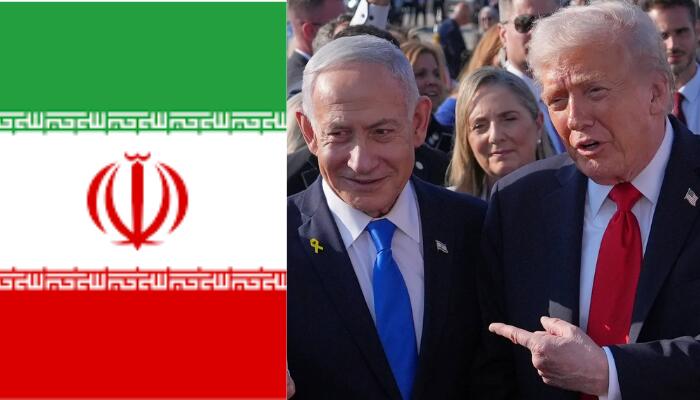
The Middle East remains one of the most unstable regions in the world, with wars raging in Gaza, Syria, Yemen, and parts of Lebanon. According to UN estimates, over 20 million people have been displaced in recent years alone, and civilian casualties continue to rise. Experts stress that immediate ceasefires are essential to prevent further loss of life. International mediators, including the United Nations, Egypt, Qatar, and the United States, have repeatedly attempted to broker temporary pauses in fighting, creating openings for dialogue.
Political Solutions at the Heart of Conflict
The most intractable conflicts stem from unresolved political disputes. The Israel-Palestine struggle over territory and sovereignty is emblematic, but Syria’s civil war, Yemen’s humanitarian crisis, and Lebanon’s political instability all highlight the broader regional tensions. Experts argue that lasting solutions require not only formal agreements but leaders willing to make politically costly compromises. Dr. Leila Haddad, a Middle East analyst, notes, “Peace cannot be imposed from the outside. It must be rooted in political agreements that local populations see as legitimate.”
Regional Diplomacy and Proxy Wars
Proxy wars fuel much of the violence, with Iran, Saudi Arabia, Turkey, and the UAE backing rival factions. Analysts stress that resolving these conflicts requires reducing external interference and negotiating regional security guarantees. Peacekeeping forces, demilitarised zones, and monitored ceasefires could stabilise hotspots and prevent flare-ups from spreading across borders.
Humanitarian Crisis and Reconstruction
The human toll is immense. Hospitals, schools, and infrastructure lie in ruins, while millions face food insecurity and displacement. Humanitarian agencies, including the Red Cross and World Food Programme, play a vital role in immediate relief. Reconstruction efforts, coupled with access to healthcare and education, are critical to stabilising communities and reducing the appeal of extremist ideologies.
Long-Term Reconciliation and Social Healing
Even when political agreements are signed, mistrust and trauma persist. Cross-community dialogue, economic cooperation, and educational reforms are essential to foster lasting peace. Historical lessons, such as the Camp David Accords, demonstrate that sustainable peace requires years of patient negotiation, accountability, and societal engagement.
The Path Forward
Ending the Middle East conflicts is not simple, but it is achievable. A combination of immediate ceasefires, political compromise, regional cooperation, humanitarian relief, and social reconciliation offers a roadmap. For the millions affected, the urgency cannot be overstated. Decades of violence have shown that without sustained international engagement and genuine local commitment, peace remains elusive. The world must act decisively to break the cycle before another generation suffers the consequences of unresolved wars.