
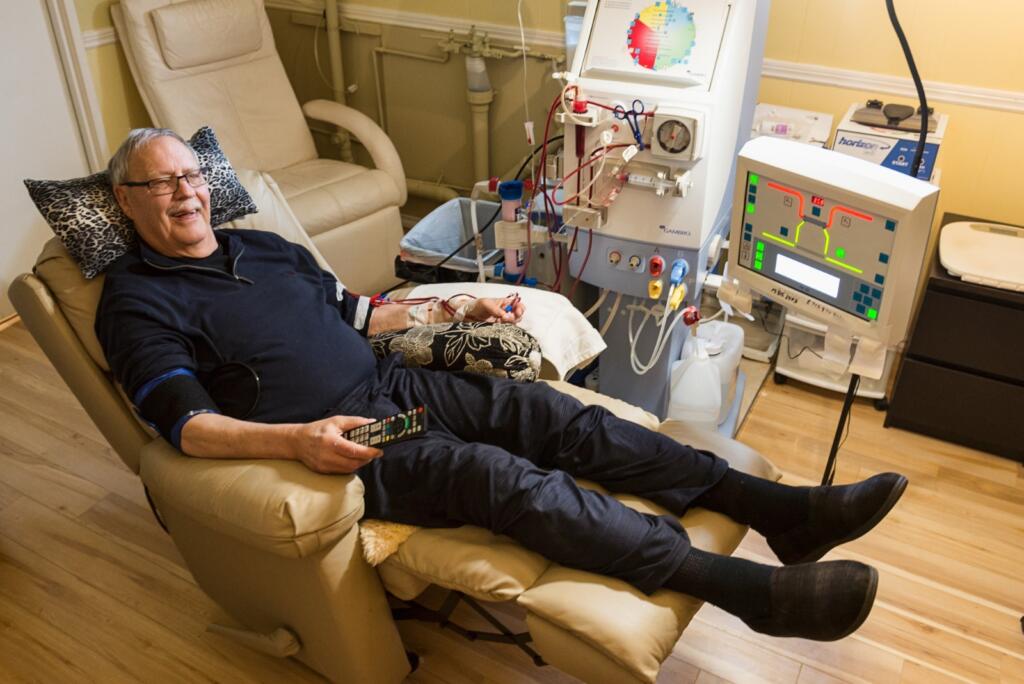
Thinking about medical care at home often raises many questions, as people are used to the idea that big machines and treatments belong in a hospital setting, but many find that moving their routine to their own living room changes how they feel about their health journey. It is a big shift in mindset to move from visiting a clinic several times a week to managing your own care, and this change brings both a sense of freedom and new responsibilities that require a lot of thought. Most people focus on the machine itself, but the real story is how a person’s day-to-day life changes when they no longer have to spend hours in a waiting room or travel back and forth in traffic.
The Reality Of Managing Treatment In A Personal Space
One of the biggest draws for people considering this path is the ability to set a schedule that fits their family life or work, because standard clinic hours can be very restrictive for someone who still wants to work or be present for their kids. When someone brings home hemodialysis equipment, they are essentially taking back control over their time, which many people find to be the most valuable part of the whole experience. People do not realize how much mental energy goes into planning their entire lives around clinic appointments until those appointments are no longer the center of their world. Being able to run a treatment while watching a movie or sitting in a favorite chair makes the process feel much less like a medical event and more like just another part of the evening routine.
There is also a physical benefit people notice when they can do treatments more frequently for shorter periods, since the body tends to handle smaller, more regular sessions better than the long, intense sessions that happen in a center. This regular cleaning of the blood can lead to fewer energy fluctuations, so the days after a treatment are not spent just recovering from the treatment itself.
Working Through The Logistical Hurdles Of Home Care
Of course, it is not all about convenience, because setting up a room for medical use requires some physical changes to the house, such as ensuring there is enough space for the supplies and the machine. Organizations like NephroPlus help people understand the technical aspects of these requirements so that the home environment is safe and ready for the transition to home hemodialysis without causing undue stress for the family. You have to think about things like water filtration and where to store all the boxes of fluid that arrive every month, which can be a bit of a surprise if you do not plan for the bulk of the supplies.
The learning curve is another factor that requires patience, as the person and their care partner must become very comfortable with how the home hemodialysis equipment functions in different situations. It takes a few weeks of training to feel confident in the steps, but once the routine becomes second nature, most find that the initial fear of making a mistake fades away. It is a realistic observation that the first few times doing it alone feel a bit strange, but the sense of mastery that comes after a month or two is very rewarding for many patients.
Adapting To A New Sense Of Independence
The psychological shift of taking charge of your own health can be powerful because it removes the feeling of being a passive observer in your own care. When you are the one setting up the tubes and checking the monitors, you have a much deeper understanding of how your body is doing and what the different numbers actually mean. This independence is a double-edged sword, though, because it means you have to be disciplined about following the schedule even on days when you might feel like skipping or cutting a session short.
Maintaining the space and keeping everything clean is a task that never really goes away, but for many, the trade-off for a private and comfortable setting is well worth the extra effort. Being able to sleep in your own bed right after a session, or to have a snack from your own kitchen, makes the whole ordeal feel much more human and less clinical.