
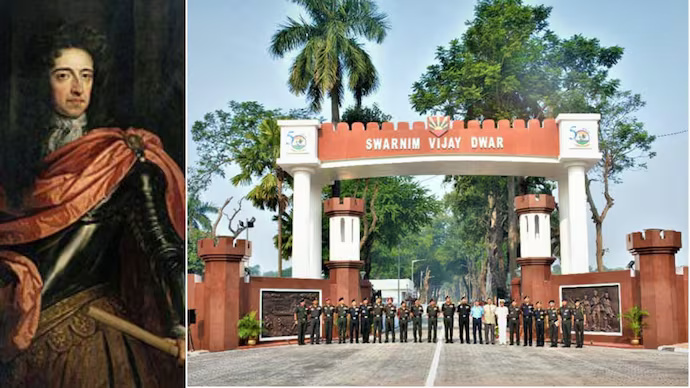
In a momentous move that reflects a broader push to align India’s military heritage with its own history, the Indian Army has renamed 246 roads, buildings and other facilities across its establishments, replacing British colonial era names with those that honour Indian heroes and values. Among these changes, Kolkata’s iconic Fort William — the headquarters of the Eastern Command — has been rechristened Vijay Durg, a name chosen to celebrate indigenous strength and historical resonance rather than colonial legacy. The renaming exercise marks a pivotal shift in how the Army perceives and presents its institutional landscape, reinforcing a sense of pride rooted in Indian ethos and sacrifice.
The vast scale of the renaming campaign underlines the Army’s commitment to revisiting nomenclature that has persisted since colonial times. Across cantonments, military stations and residential quarters, 124 roads, 77 residential colonies, 27 buildings and other military facilities, and 18 miscellaneous areas such as parks, training spaces, sports grounds, gates and helipads have been reidentified with new names. These new names honour India’s gallantry awardees, war heroes and distinguished leaders whose courage and sacrifice are central to the nation’s modern military history.
At the heart of this transformation is the renaming of Fort William in Kolkata as Vijay Durg, a name that echoes historical strength and victory. Fort William has stood for centuries as a symbol of colonial military presence, originally named after King William III of England. Now, as Vijay Durg, it embodies an assertion of Indian identity and a tribute to indigenous spirit, standing not as a relic of colonial dominion but as a monument to national resilience and martial pride.
The decision to rename such a wide array of military infrastructure follows a larger defence initiative to reexamine and, where necessary, transform colonial era vestiges within the armed forces. This initiative gained momentum after sustained deliberations by defence leadership, who argued that names tied to a foreign past could be replaced with those celebrating Indian contributions to military heritage. In doing so, the Army aims to foster an environment where soldiers and their families live, train and serve in spaces that reflect the nation’s own heroic traditions and sacrifices.
Alongside Vijay Durg, many other military establishments across the country have received new names that echo India’s military valour. In Delhi Cantonment, Kirby Place has become Kenuguruse Vihar while Mall Road has been renamed Arun Khetrapal Marg after Param Vir Chakra awardee Second Lieutenant Arun Khetarpal. In Ambala Cantonment, Patterson Road Quarters is now Dhan Singh Thapa Enclave; in Mathura Cantonment, New Horn Line has been renamed Abdul Hamid Lines. These changes ensure that the fabric of daily military life is interwoven with remembrances of India’s bravest.
Similarly, in cantonments such as Jaipur and Bareilly, roads once known by British era names have been renamed Sundar Singh Marg and Thimayya Colony respectively, honouring gallantry recipients and renowned Indian commanders. At the Indian Military Academy in Dehradun, Collins Block and Kingsway Block have been renamed Nubra Block and Kargil Block in recognition of historic battlefields and campaigns that define the Army’s modern legacy.
In Kolkata, alongside the rechristening of Fort William to Vijay Durg, other structures within the military infrastructure have also adopted new identities that reflect national pride. The sports complex at Rangapahar Military Station has been renamed the Laishram Jyotin Singh Sports Complex in tribute to an Ashok Chakra awardee. At the Zakhama Military Station in Nagaland, Spear Lake Marg has been transformed into Hangpan Dada Marg, commemorating the ultimate sacrifice of another distinguished Indian soldier.
The broader implications of this renaming drive extend beyond mere signage. Defence officials have underscored that these changes are intended to reinforce the Army’s institutional culture around Indian traditions, values and memories rather than colonial imprints. By celebrating Indian heroes and embedding their names into everyday military life, the Army hopes to inspire future generations of soldiers with a sense of continuity and purpose rooted in national history.
Critics and supporters alike acknowledge that such renaming efforts can be deeply symbolic. For many observers, the transition from colonial nomenclature to names like Vijay Durg represents more than just a change on a map; it is a reclamation of narrative and identity. It places India’s own struggles, victories and sacrifices at the forefront, rather than preserving the memory of a colonial past that did not belong to the nation.
As the Indian Army completes this extensive renaming process, the impact on institutional culture and public consciousness will continue to unfold. For those inside the Army and for citizens beyond, the shift toward names that reflect India’s military heritage is poised to deepen respect for the nation’s defenders and for the history they embody. With Vijay Durg now standing tall as the new name for Kolkata’s historic fort, the Army has set a powerful example of how reflecting on the past can guide the identity of the future.