
The United States has deployed its largest concentration of air power in the Middle East since the 2003 invasion of Iraq, amid escalating tensions with Iran and growing speculation over possible American military strikes.
As diplomatic talks over Iran’s nuclear programme continue, Washington is moving a substantial number of advanced fighter jets and support aircraft into the region.
Reports say that US officials describe the deployment as the most significant build-up of American air assets since the Iraq war began more than two decades ago.
The reinforcement includes multiple squadrons of F-35, F-22, F-15 and F-16 fighter jets. Command-and-control aircraft, essential for coordinating large-scale air operations, are also being sent, along with key air defence systems that were positioned in recent weeks. Additional fighter aircraft are reportedly on their way, reported the Wall Street Journal.
At sea, the US Navy has positioned 13 ships across the Middle East and the eastern Mediterranean to support any potential operation. The fleet includes the aircraft carrier USS Abraham Lincoln and nine destroyers equipped to defend against ballistic missiles.
A second carrier, the USS Gerald R Ford, accompanied by four destroyers in its strike group, is also en route to the region.
The military build-up comes at a sensitive moment, while tensions remain high, diplomatic efforts are still underway. Broadly, US President Donald Trump wants Iran to abandon its nuclear programme, while Tehran has firmly refused, insisting that it is not attempting to develop an atomic weapon.
American broadcaster CNN reported that the US military is prepared to strike Iran as early as this weekend, although Trump has yet to make a final decision on whether to authorise such action.
Senior national security advisers met in the White House Situation Room to review options, and were told that all American forces being deployed are expected to be in place by mid-March.
US officials said Trump has received multiple briefings outlining different military plans, each designed to maximise damage to Iran’s regime and its regional proxies, should he decide to proceed, stated reports.
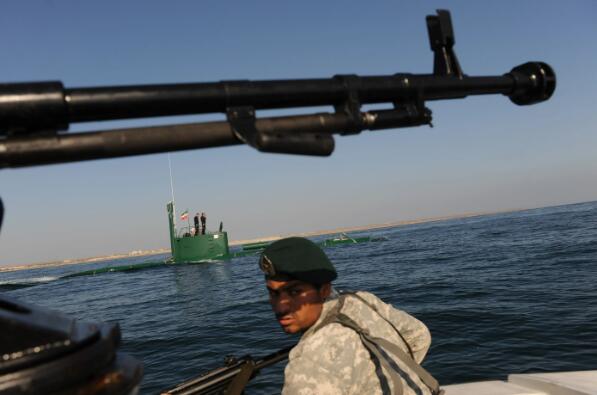
Meanwhile, Iran has sought to play down the threat, maintaining that it is ready for any level of confrontation. This week, Iranian forces conducted naval drills in the Strait of Hormuz, a vital global oil route and are scheduled to hold joint naval exercises with Russia on Thursday, even as diplomatic channels remain open.
The 2003 Iraq invasion, launched by a US-led coalition, previously marked the most substantial American air build-up in the region in recent history. The current deployment mirrors that scale, underscoring the seriousness of the moment, even as negotiations continue.
The White House said that a little bit of progress was made during talks with Iran this week in Geneva, but acknowledged that differences remain on key issues. It added that Tehran is expected to return with more detailed proposals in the coming weeks.