















India is looking to deepen strategic ties and expand defence cooperation with Tel Aviv, including joint development of anti-ballistic missile defence, laser weapons, long-range stand-off missiles, and drones.
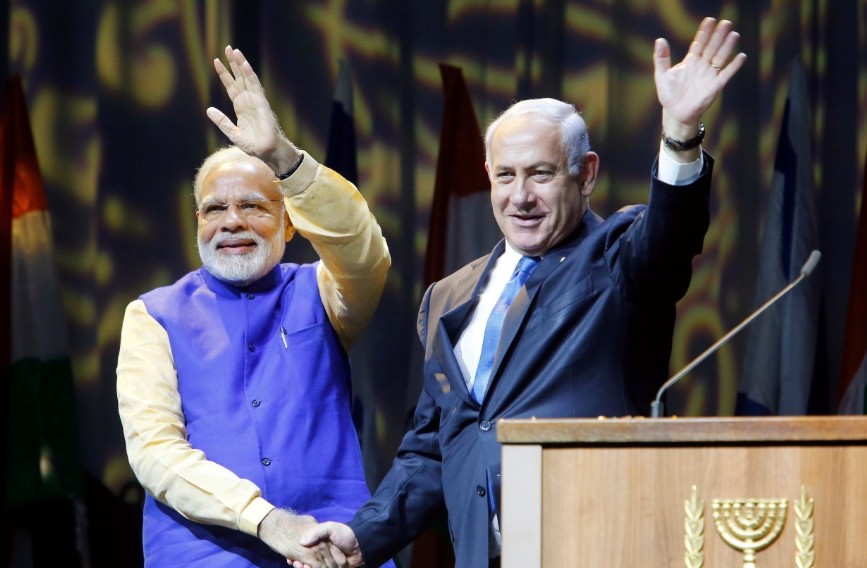
This comes as Prime Minister Narendra Modi is set to make his second visit to Israel next week to take forward bilateral relations in areas ranging from trade to security cooperation.
PM Modi is travelling to Israel after Prime Minister Benjamin Netanyahu called off a planned trip to India on at least two occasions last year, and is expected to be in Israel during February 25-26.
As per reports, while both countries are expected to sign a Memorandum of Understanding (MoU) on security cooperation, no defence deal will be signed during this visit.
Bilateral defence cooperation is an ongoing process between the two close allies and is valued at around USD 10 billion over the coming years.
Expanded Defence Cooperation and Mission Sudershan
Although details of the visit are being kept under wraps, it is understood that Israel has agreed to share its latest defence technologies with India, including highly sought-after laser defence and other stand-off systems. Israel is expected to share all defence technologies, something it had not done in past years.
The groundwork for this expanded defence cooperation was laid during Defence Secretary RK Singh’s visit to Israel last November, when an MoU on enhanced defence collaboration was signed.
India is exploring joint development of anti-ballistic missile defence with Israel, a key component of Mission Sudershan, which aims to protect the Indian hinterland from enemy long-range missiles, said reports.
“Mission Sudershan was announced by PM Modi and is at the heart of Indian anti-ballistic missile defence,” sources said. Israel is a global leader in anti-ballistic missile systems, with its long-range Arrow, medium-range David’s Sling, and short-range Iron Dome. Tel Aviv’s systems have proven effective, having intercepted 98 per cent of ballistic missiles fired by Iran last June.
India is also considering the purchase of long-range missiles and loitering ammunition that can be launched from air, ground, and sea, capable of striking beyond enemy air defence systems. During Operation Sindoor, India used Rampage missiles, Palm 400, Harpy, and Harop kamikaze loitering ammunition against Pakistani targets, nearly wiping out enemy Chinese-built air defences with strikes deep into Islamabad.
In this category, India is likely to procure Spice 1000 long-range guided bombs, Rampage air-to-surface missiles, Air Lora air-launched ballistic missiles, and long-range Ice Breaker missile systems. The Indian Navy is also looking to acquire the extended-range Barak surface-to-air missile system to protect its warships from enemy air and surface threats.
Bilateral Engagements and Trade Talks
Given PM Modi’s close ties with his Israeli counterpart Benjamin Netanyahu, both countries are aligned on numerous political issues and speak with a united voice against terrorism. During the visit, India and Israel will also hold dialogues on science and technology, agriculture, clean drinking water, and advanced fields like quantum computing.
In 2017, PM Modi became the first Indian premier to visit Israel. Netanyahu visited India in 2018. The visit is yet to be formally announced by the Indian side, though Netanyahu told the Conference of Presidents of Major American Jewish Organisations about PM Modi’s trip.
While the details of the visit are still being finalised, PM Modi is expected to address the Israeli Knesset. As per sources in HT, his talks with Prime Minister Netanyahu will cover bilateral relations, including cooperation in trade, technology, innovation, security, defence, counter-terrorism, as well as regional and global issues.
Over the past year, there have been several high-level exchanges between the two countries, and both sides are currently negotiating a trade agreement.