









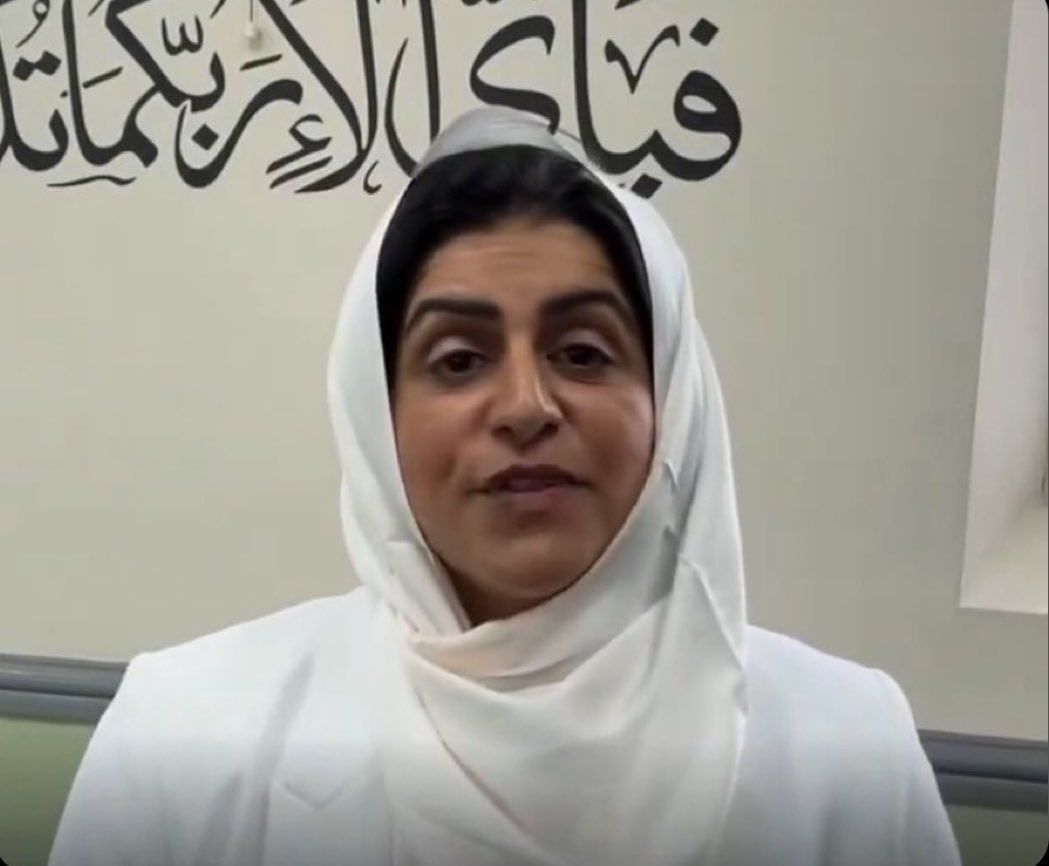
Political transitions often trigger deeper conversations about identity, heritage, and the direction a nation may take in the years ahead. As discussions circulate about future leadership possibilities in Britain, the idea that Shabana Mahmood could emerge as a potential successor in the event of a change at the top has prompted reflection not only on party politics but also on the country’s cultural and historical foundations. For some observers, this moment represents a broader debate about how the United Kingdom balances long-standing Christian traditions with its modern, multicultural character.
The UK’s institutions, calendar, and public life have historically been shaped by Christian influences. From the role of the Church of England in state ceremonies to traditions embedded in education, law, and public holidays, Christian heritage has long been intertwined with national identity. When a figure such as Shabana Mahmood is discussed as a possible future leader, some commentators interpret this as symbolic of a changing Britain where leadership reflects a wider range of backgrounds and beliefs than in previous generations. For supporters, this is a natural evolution of a diverse democracy. For critics, it raises questions about whether long-standing cultural reference points may gradually lose prominence.
It is important to understand that the UK has been steadily secularising for decades, regardless of who holds political office. Church attendance has declined, and public institutions increasingly operate in religiously neutral ways. In that sense, the debate linked to Shabana Mahmood is less about one individual and more about broader social change. Even so, symbolic leadership matters to many citizens, and they often view prime ministers as embodiments of national continuity. Concerns voiced in some quarters revolve around whether the moral and cultural framework historically associated with Christianity would continue to hold visible space in national life.
At the same time, others argue that British values such as rule of law, tolerance, individual liberty, and democratic governance are not owned by any single faith tradition. From this perspective, a leader like Shabana Mahmood would be expected to uphold constitutional principles and serve citizens of all backgrounds, just as previous leaders have done. The UK’s political system does not grant executive authority on the basis of religion, and prime ministers govern within legal and parliamentary constraints. Supporters of a more pluralistic outlook contend that national identity can expand without erasing its historical roots.
Still, the emotional dimension of cultural change cannot be dismissed. For many people, Christian traditions are tied not only to religion but to a sense of continuity, community rituals, and shared history. Debates about education policy, the place of faith schools, public expressions of religion, and the tone of national ceremonies often surface whenever leadership transitions are discussed. In these conversations, the name Shabana Mahmood becomes a focal point for broader anxieties about how visible traditional Christian references will remain in public life as Britain grows more religiously diverse.
Another layer to the discussion involves how leaders navigate faith in the public sphere. Modern British politics generally expects personal belief to remain separate from state decision making. If Shabana Mahmood were ever to assume higher leadership, she would operate within the same framework that has guided other leaders of various personal beliefs, where policy is debated on social, economic, and legal grounds rather than theological ones. The UK’s constitutional monarchy, established church, and parliamentary system create a structure that changes slowly and through consensus, not through the personal faith of one office holder.
The conversation also highlights a generational divide. Younger Britons often view identity in more fluid and civic terms, while older generations may place stronger emphasis on historical religious heritage. In this environment, figures such as Shabana Mahmood symbolize demographic and social shifts that have been underway for years. Whether seen as progress or as a departure from tradition, these shifts are part of a broader transformation affecting many Western societies, not only the UK.
Ultimately, the question is not simply whether Britain might “lose” Christian values, but how those values are defined and expressed in a changing society. Many ethical principles historically associated with Christianity, such as charity, justice, and compassion, are also shared across belief systems and secular philosophies. The challenge for any future leader, including Shabana Mahmood, would be to foster a sense of shared belonging while respecting the country’s historical inheritance and its present diversity.
Leadership transitions often act as mirrors, reflecting hopes and fears about national direction. The discussion surrounding Shabana Mahmood illustrates how political speculation can quickly broaden into deeper cultural debate. As the UK looks ahead, the balance between heritage and inclusivity will likely remain a central theme, shaped not only by individual leaders but by the evolving values of society as a whole.