
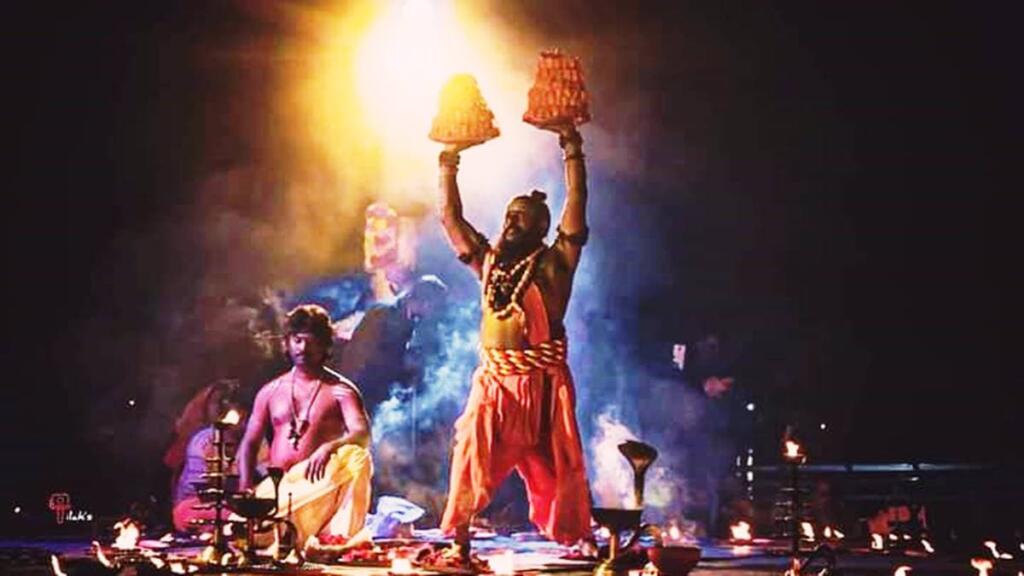
The return of a long forgotten spiritual congregation in Bengal has become a moving symbol of continuity, devotion, and cultural memory. After nearly seven hundred years, a tradition once halted by historical upheavals has been revived in the form of a grand state Kumbh Mela, reconnecting the region to a sacred past that had survived only in stories and scattered rituals. What was once a fading echo has now become a living expression of Hindu resilience.
Bengal’s spiritual landscape has always been shaped by its rivers. The Ganga, along with numerous tributaries, nurtured not only agriculture and trade but also pilgrimage and religious scholarship. Ancient accounts, temple traditions, and oral lore speak of massive ritual bathing festivals in the region that reflected the same sacred ideals associated with the Kumbh gatherings in other parts of India. These events brought together saints, scholars, householders, and ascetics who believed that holy waters carried the power to purify the soul and renew society. The modern revival of the state Kumbh Mela seeks to restore that deeply rooted spiritual culture.
The interruption of this tradition can be traced back to a period of political turbulence in medieval India. Islamic invasions and shifting regimes changed the social and religious environment in many regions. Large public Hindu gatherings became difficult to sustain, several temples faced destruction or neglect, and established pilgrimage networks weakened. In Bengal, the great bathing festival that once drew spiritual seekers gradually faded from public life. Yet even when the physical gatherings stopped, the idea of the sacred congregation did not disappear completely. Memories of the festival lingered in villages, in family rituals, and in the narratives of temple priests.
Generations grew up hearing elders describe an age when riverbanks were filled with chanting, lamps floated on the water at dusk, and ascetics debated philosophy under the open sky. These recollections kept alive the belief that Bengal had its own sacred mass gathering, comparable in spirit to the larger Kumbh traditions. When scholars and spiritual leaders in recent times began researching regional religious history, they found references that supported these oral traditions. Their efforts laid the foundation for reestablishing the state Kumbh Mela as a continuation rather than a new invention.
Organizing the revived festival required both faith and coordination. Religious institutions, local communities, and cultural organizations worked together to identify the sacred sites, dates, and rituals associated with the ancient tradition. Scriptural guidelines were studied, and care was taken to align ceremonies with established Hindu practices. When the state Kumbh Mela was finally inaugurated, it carried the emotional weight of centuries. Pilgrims did not see it as just another event but as the return of something that belonged to their ancestors.
The scene at the riverbanks during the festival reflects a powerful blend of devotion and rediscovery. Ascetics from various orders gather in colorful processions, Vedic hymns fill the air, and thousands of devotees step into the waters with folded hands. For many younger participants, the state Kumbh Mela is their first experience of such a vast spiritual congregation in Bengal. Elders watch with emotion, feeling that a missing link in their cultural heritage has been restored.
Beyond ritual bathing, the gathering also serves as a platform for spiritual discourse and social awareness. Religious teachers speak about inner discipline, harmony, and the need to protect rivers and the environment. Cultural performances highlight Bengal’s devotional music and traditions, while community kitchens and service initiatives embody the spirit of collective care. In this way, the state Kumbh Mela becomes not only a religious observance but also a celebration of shared identity.
The revival fits into a broader movement across India to reconnect with regional histories that were overshadowed by centuries of political change and later by colonial narratives. Communities are rediscovering local pilgrimage routes, temple traditions, and festivals that once shaped everyday life. Bengal’s restored gathering stands out because of the long gap it bridges. The reemergence of the state Kumbh Mela after seven centuries shows how deeply rooted traditions can survive in memory even when absent from public view.
This story challenges the notion that cultural disruptions lead to permanent loss. Instead, it illustrates how faith can endure quietly until circumstances allow it to flourish again. The seven hundred year silence has given the revival even greater meaning. Devotees feel they are not only performing rituals but also participating in a moment of historical healing.
As the waters flow and prayers rise, the renewed festival affirms that spiritual heritage can outlast the forces that once sought to suppress it. The return of the state Kumbh Mela in Bengal stands as a testament to resilience, showing that traditions grounded in collective memory and devotion can reappear with renewed strength. In this sacred convergence of past and present, Bengal offers a powerful reminder that faith, once planted deep in the heart of a people, is never truly lost.