
















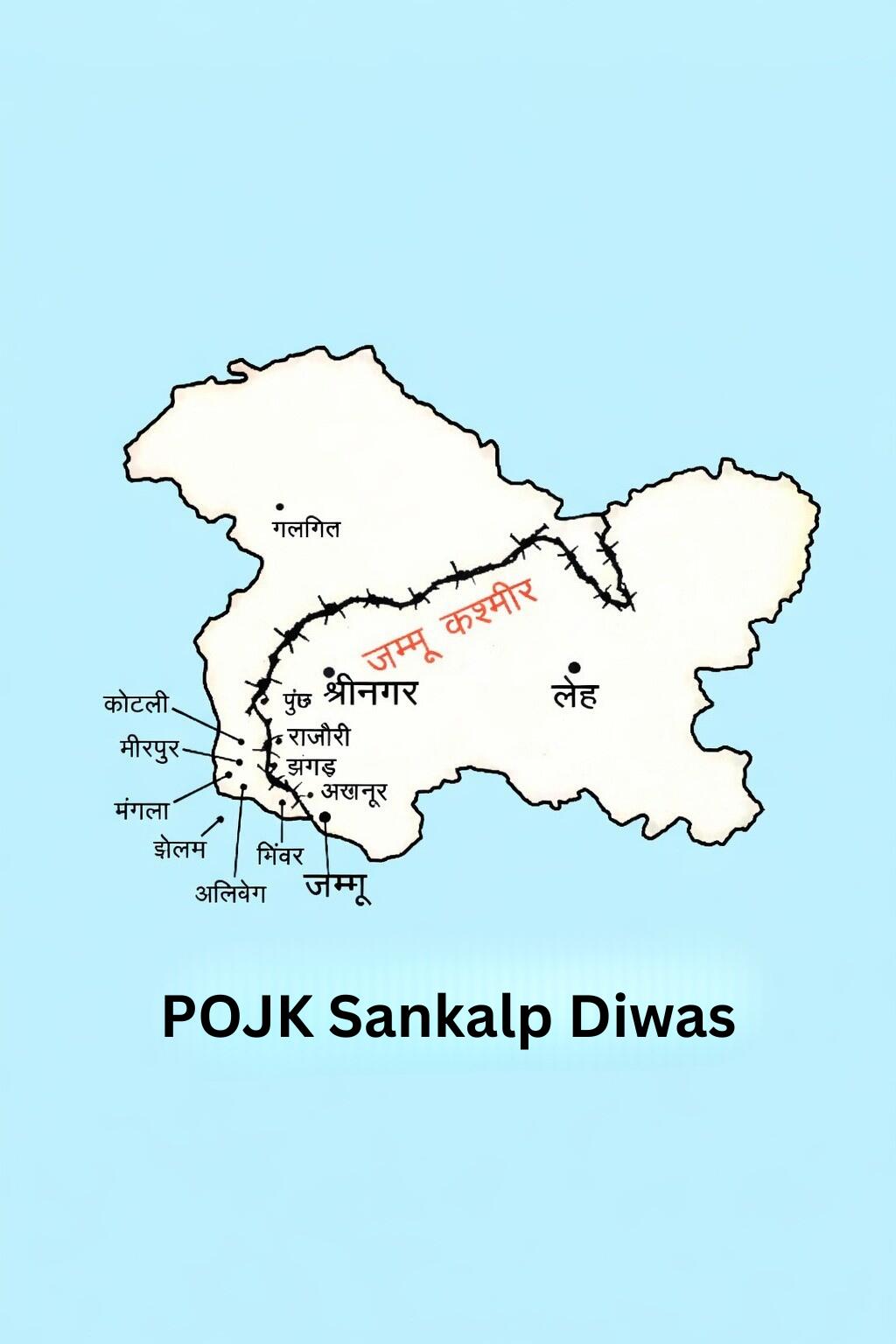
In India’s national memory, some dates are not merely ordinary calendar markers; they become living symbols of the nation’s consciousness, its resolve, and its historical responsibility. February 22 is one such date, observed today as “POJK Sankalp Diwas.”
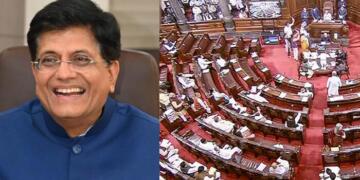
Its foundation lies in the historic resolution unanimously passed by the Indian Parliament on February 22, 1994. In clear and unequivocal words, the resolution declared that “Jammu and Kashmir was, is, and shall always remain an integral part of India,” and that “vacating the areas occupied by Pakistan is India’s legitimate and rightful claim.”
This resolution was not merely a legislative document. It was an expression of the nation’s collective will, its historical consciousness, and its unwavering commitment to sovereignty.
The 1994 Resolution: A National Resolve Rooted in History
The resolution was adopted at a time when Jammu and Kashmir was passing through one of its most turbulent phases. Terrorism in the Valley was at its peak. Social harmony had been deeply disrupted, and thousands of innocent civilians were forced to live in an atmosphere of violence and fear.
Cross-border infiltration by trained militants, the supply of arms and financial resources from across the border, and efforts to internationalize the Kashmir issue against India further complicated the situation. Taking serious note of these circumstances, Parliament made it clear that this was not merely an internal security issue—it was a direct challenge to India’s sovereignty and territorial integrity.
The most significant aspect of the resolution was its unanimity. In a democracy, ideological differences are natural. Yet when it came to the unity and integrity of the nation, all political parties stood together in one voice. Through this, Parliament sent a strong message that India’s national policy on Jammu and Kashmir is clear, unified, and steadfast.
The resolution not only condemned Pakistan’s support for terrorism but also affirmed that India is fully capable and determined to defend its unity, sovereignty, and territorial integrity.
Historical Context and the Question of Illegally Occupied Territories
Historically, Jammu and Kashmir’s accession to India was neither accidental nor disputed. On October 26, 1947, the then ruler, Maharaja Hari Singh, signed the Instrument of Accession, legally and constitutionally integrating Jammu and Kashmir into India.
However, Pakistan’s subsequent aggression resulted in a significant portion of the state falling outside India’s administrative control. Regions such as Gilgit, Baltistan, Mirpur, Kotli, and Muzaffarabad remain under Pakistan’s illegal occupation even today. This situation is not merely a geopolitical anomaly; it symbolizes an unfinished chapter of historical justice.
In this context, I had the opportunity to translate into Hindi a book written by renowned global and national security thinkers Iqbal Chand Malhotra and Maroof Raza. The Hindi title of the book is “Kashmir Ki Ankahi Kahani: Duniya Ke Samne” (Kashmir’s untold story: Before the World). The book analyzes many significant facts and perspectives concerning the history, present, and future of Jammu and Kashmir.
Against this historical backdrop, the 1994 parliamentary resolution assumes great importance. Parliament clearly stated that Pakistan must vacate all areas under its illegal occupation. This was not just a political statement but a clear assertion grounded in international law, constitutional validity, and national rights.
At the same time, it is equally clear that reintegrating regions such as Gilgit, Baltistan, Mirpur, Kotli, and Muzaffarabad into India would require sustained, multidimensional, and long-term efforts. A resolution alone is not sufficient—but it undeniably marked a historic and powerful beginning.
Territorial Reality, Displacement, and Continuing Commitment
It is important for the nation to recognize that approximately 124,274 square kilometers of the former Jammu and Kashmir state (86,017.81 sq km under Pakistan’s control and 38,256 sq km under China’s control in Aksai Chin) remain under illegal occupation. Therefore, presenting the state’s true geographical reality, its original boundaries, and its historical context in national discourse is essential.
At the same time, it is necessary to strengthen awareness and emotional connection to their homeland among the millions who were displaced due to this historical tragedy.
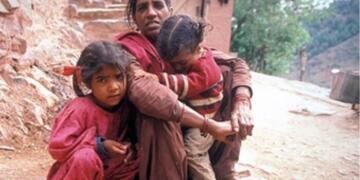
Thousands displaced from areas such as Muzaffarabad, Mirpur, Kotli, Bhimber, and Gilgit-Baltistan still remain connected to the memory and rights of their ancestral lands. Similarly, the Kashmiri Hindus displaced from the Valley due to terrorism in 1990, as well as approximately 250,000 people who came from West Pakistan during Partition, remain living testimonies of this historical displacement. Respecting the consciousness and rights of these communities is an integral part of the national resolve.
The situation of people living in Pakistan-occupied territories is also a matter of serious concern. There is a lack of democratic rights, restrictions on freedom of expression and press, and rapid demographic changes. In such circumstances, moral and humanitarian support for their human rights and democratic aspirations is essential.
Continuity of the National Commitment
It is also true that over time, India has not confined this resolve to words alone. On August 5, 2019, Parliament’s decision to abrogate Articles 370 and 35A marked a significant phase in the continuity of this historic commitment. This decision reaffirmed India’s determination to strengthen its national unity and constitutional integrity.
In conclusion, February 22—POJK Sankalp Diwas—is not merely a day of remembrance. It is a reminder of national responsibility. It reminds us that unfinished chapters of history are completed only through sustained resolve, awareness, and consistent effort.
This day offers an opportunity to reaffirm the national pledge expressed by Parliament on behalf of the entire nation. February 22 stands as a living symbol of India’s national consciousness, historical memory, and unwavering commitment.





