




















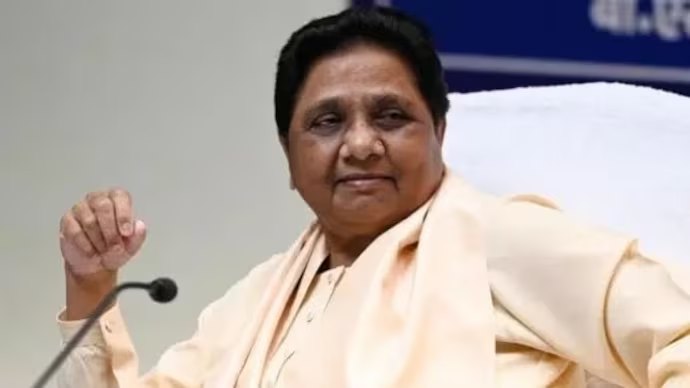
BSP chief Mayawati has triggered a sharp political and social debate after strongly objecting to the film Ghooskhor Pandat, saying it insults a community by portraying the term pandit in a negative and corrupt light. In a public statement, she described the trend as deeply worrying and said it has created anger among Brahmins, whose sentiments, she argued, cannot be ignored in a diverse society like India. She demanded that the central government immediately ban the film, calling it caste-indicative and socially harmful.
The controversy intensified after Lucknow Police registered an FIR against those associated with the film, citing complaints that the content could hurt caste sentiments and disturb harmony. Mayawati backed this legal step, saying it was appropriate and necessary. She positioned the issue as one of dignity and respect rather than just cinema, stressing that repeated negative portrayals of communities in media can shape public perception in damaging ways.
At the same time, Mayawati has also been vocal on policy matters, recently protesting against a UGC scheme and welcoming judicial scrutiny of it. Her supporters say this shows her willingness to speak directly on sensitive issues, adding that no BJP leader has shown the same boldness in addressing such concerns so openly.
By linking cultural respect with policy criticism, Mayawati has broadened her political messaging beyond her traditional base. Her defence of Brahmins in this case signals an attempt to address wider social anxieties about identity and representation. Whether or not the film faces a ban, the episode has underlined how questions of caste, media portrayal, and political voice remain powerful forces in India’s public discourse.