
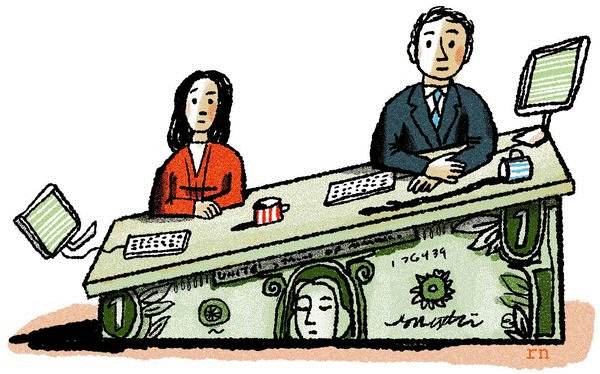
The World Bank has warned that laws designed to protect women’s economic rights are failing to deliver real change. Its 2026 Women, Business and the Law report reveals a “shockingly large” gap between legislation and enforcement, showing that no country currently guarantees all the legal protections women need to participate fully in the workforce. Weak enforcement and institutional shortcomings continue to limit opportunities for women and constrain economic growth.
Globally, countries score an average of 67 out of 100 for legal rights promoting gender equality. When enforcement is considered, the score drops to 53, and the adequacy of supportive systems such as policies and institutions falls further to 47. Fewer than five percent of women worldwide live in economies approaching full legal equality, and not a single country provides all the rights necessary for women’s full economic participation.
Even in economies with modern legal frameworks, women often face restrictions on the types of work they can perform or the businesses they can establish. The report calls this situation “dumb,” particularly in countries struggling with slow economic growth and ageing populations, where fully using women’s workforce potential could deliver a crucial boost.
The World Bank assessed women’s economic opportunities across ten areas, including safety, mobility, work, pay, marriage, parenthood, childcare, entrepreneurship, assets and pensions. Childcare and safety emerged as the most deficient areas globally. Laws often exist but are poorly enforced, leaving women exposed to barriers that prevent them from realising equal opportunities.
Regions with the largest legal and enforcement barriers include Sub-Saharan Africa, South Asia, and the Middle East and North Africa. These are also regions where large numbers of young women are entering the workforce. Despite their growing presence in labour markets, structural obstacles prevent them from contributing fully to economic growth and innovation.
The findings draw on data from 190 economies as of October 1, 2025, and incorporate insights from more than 2,600 legal experts, academics, civil society representatives, and public officials. The report highlights that legal reforms alone are insufficient. Without strong enforcement, laws remain symbolic rather than transformative.
Some progress has been made. Between October 2023 and October 2025, 68 economies enacted 113 legal reforms to expand women’s economic opportunities. Leading countries include Egypt, Madagascar, Somalia, Oman, Jordan, and Kyrgyzstan. These examples demonstrate that targeted legal reform, when paired with enforcement, can improve women’s access to work, entrepreneurship, and economic independence.
The World Bank’s message is clear. Legislation alone will not secure equality. Governments must act decisively to close enforcement gaps. Failing to do so risks wasting talent and productivity, holding back economic growth, and denying women the chance to reach their full potential.