
India and the United States formally released an interim framework for a trade agreement that both sides describe as a major step toward a comprehensive bilateral pact aimed at boosting economic ties, lowering tariffs and expanding market access.
The framework outlines mutual commitments to reduce trade barriers and strengthen cooperation in several sectors, while firmly protecting India’s sensitive agriculture and dairy markets, a key point emphasised by government officials amid domestic political debate.
The deal, which is meant to reduce some trade hurdles between the two countries, does not offer any tariff cuts on major farm products such as wheat, rice, poultry, dairy, sugar, maize, or soybeans.
The government has taken this firm stand to protect the livelihoods of millions of Indian farmers and to ensure the country’s food security is not affected.
Sensitive Agriculture and Dairy Sectors Fully Protected
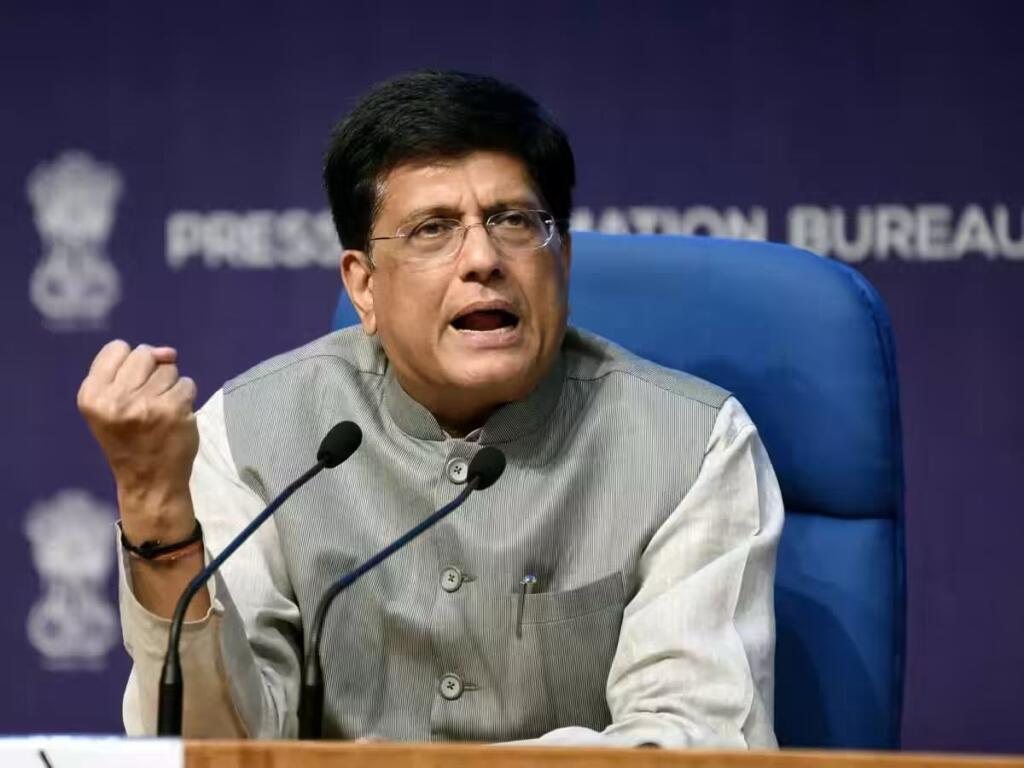
Union Commerce Minister Piyush Goyal repeatedly stressed that the agreement does not open India’s core agriculture and dairy sectors to US imports and that sensitive farm products have been fully safeguarded to protect domestic producers and rural livelihoods.
Taking to his social media handle on X, Piyush Goyal said, “Under the decisive leadership of PM Narendra Modi, India has reached a framework for an Interim Agreement with the US. This will open a $30 trillion market for Indian exporters, especially MSMEs, farmers and fishermen. The increase in exports will create lakhs of new job opportunities for our women and youth.”
“The Agreement reflects India’s commitment to safeguarding farmers’ interests and sustaining rural livelihoods by completely protecting sensitive agricultural and dairy products, including maize, wheat, rice, soya, poultry, milk, cheese, ethanol(fuel), tobacco, certain vegetables, meat, etc. This agreement will help India and the US remain focused on working together to further deepen economic cooperation, reflecting shared commitment to sustainable growth for our people and businesses,” read the post.
According to official statements, key agricultural staples such as maize, wheat, rice, soya, poultry, and certain vegetables are excluded from duty concessions. Dairy products, including milk (liquid and powdered), cheese, butter, ghee, yoghurt and whey products are not part of the deal. Spices and many grains also remain protected under India’s trade policy.
Goyal said the move ensures that farmers and rural producers are “safe” and that the deal will strengthen local agriculture without exposing it to heavy foreign competition.
Tariff Cuts to Make Indian Exports More Competitive in the US
“As part of this framework, the US will slash reciprocal tariffs on Indian goods to 18%, providing a huge market opportunity in key sectors such as textiles & apparel, leather & footwear, plastic and rubber products, organic chemicals, home décor, artisanal products, and select machinery in the world’s largest economy,” said Piyush Goyal on X.
“Additionally, tariffs will go down to zero on a wide range of goods, including generic pharmaceuticals, gems and diamonds, and aircraft parts, thereby further enhancing India’s export competitiveness and Make in India. India will also get exemptions under section 232 on aircraft parts, tariff rate quota on auto parts and negotiated outcomes on generic pharmaceuticals, leading to tangible export gains in these sectors,” Goyal posted.
Focus Remains on Non-Agricultural Goods
“The interests of our farmers remain paramount in all trade negotiations. The Modi Government remains fully committed to protecting our Annadatas and securing rural livelihoods. No concessions have been extended to sensitive agricultural sector produce in grains, fruits, vegetables, spices, oilseeds, dairy, poultry, & meat amongst many others while securing preferential access for Indian goods through the India-U.S. Interim Agreement framework,” posted Goyal on X.
According to Reuters, government sources say the interim framework also lays the groundwork for future cooperation on digital trade, supply chains and non-tariff barriers, with hopes of finalizing a full Bilateral Trade Agreement (BTA) in coming months.
Opposition Raises Concerns Over Farmers’ Impact
The interim framework comes amid political discussions in India, where opposition parties have raised concerns about potential impacts on farmers and domestic markets.
Congress leaders on Friday raised concerns over the India–US trade deal, warning that it could severely harm the country’s farmers by allowing a surge of American agricultural products into Indian markets.
They also alleged that Prime Minister Narendra Modi surrendered under pressure from the US President Donald Trump and was forced to accept these conditions, which were against the country’s interests, reported TOI.
Leader of opposition in Punjab assembly Partap Singh Bajwa on Friday also claimed that the proposed Indo-us trade deal could severely damage the livelihoods of Indian farmers, especially those in Punjab. He said the agreement could leave them vulnerable to unfair competition from heavily subsidised agricultural products from the United States.
Meanwhile, Prime Minister Narendra Modi and US President Donald Trump are expected to sign a more formal agreement in March 2026, building on the interim framework and paving the way for deeper economic cooperation
The interim framework represents a historic milestone in India–US trade relations, balancing greater market access with protections for sensitive sectors.
The pact is also seen as a strategic effort to diversify supply chains and deepen economic engagement between the two democracies.