


















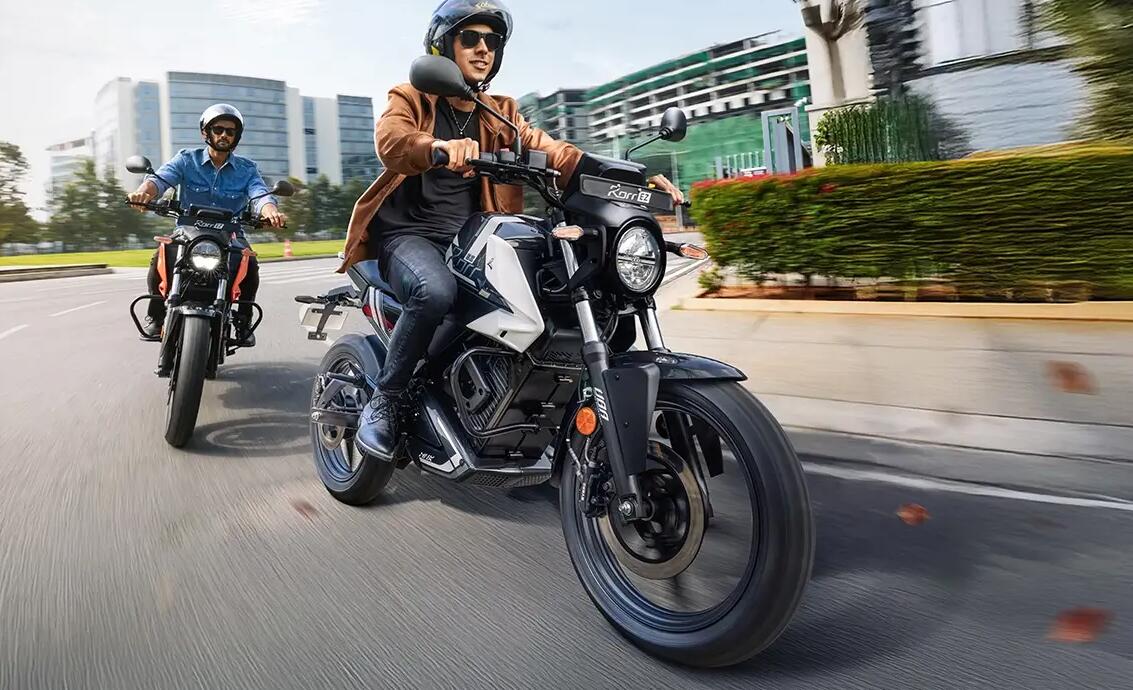
Petrol bikes have worked fine for years, and nobody really questioned them. But fuel prices have changed that conversation quite a bit. Electric bikes are now a legitimate daily option, and more people are weighing the switch seriously. Charging, cost, and maintenance, here is how the two actually compare.
The Fuel Bill Difference
This one hits different once you actually calculate it.
A petrol bike costs roughly ₹2 to ₹3 per kilometre to run in India right now. Someone doing 40 km a day is spending somewhere between ₹2,400 and ₹3,600 every month just keeping the tank full. That number goes up every time fuel prices move, which they do regularly.
Using an electric bike in India for the same 40 km daily run, the charging costs somewhere between ₹300 and ₹500 a month, depending on your state’s electricity rate. A full charge costs ₹15 to ₹25. The monthly savings compared to petrol are not a small amount. Across a full year, it adds up to something most people would rather keep in their pocket.
Charging is Different, Not Difficult
Filling up petrol takes five minutes at any pump. That convenience is real and worth acknowledging.
Electric charging works differently. Most bikes charge on a regular home socket overnight, plug in when you get home, ready by morning. Fast chargers are becoming more common in Indian cities and can get to 80 percent in 90 minutes to 2 hours.
The first month is a bit of an adjustment. After that, it honestly stops being something you think about. Plugging in at night becomes as automatic as locking the front door. Public charging outside bigger cities is actually available near you before deciding.
Upfront Cost and What Happens Over Time
A reasonable petrol commuter bike costs somewhere around ₹90,000 to ₹1,00,000. Electric bikes with good range sit between ₹1 lakh and ₹1.5 lakh before subsidies come into the picture.
The PM E-DRIVE scheme knocks money off the purchase price directly. States like Karnataka, Delhi, and Maharashtra have added their own EV benefits on top. Once all of that is applied, the price difference between petrol and electric is genuinely smaller than most people walk into a showroom expecting.
A few years down the line, the numbers shift further. Monthly fuel savings start adding up in a way that is hard to ignore, and servicing costs stay low. The electric bike that costs more on day one often ends up the cheaper option by year three or four.
Maintenance – This Is Where Electric Pulls Ahead
Petrol engines have a lot of parts that wear out and need regular attention. Oil changes every 3,000 km, spark plugs, air filters, fuel system checks, clutch adjustments, none of these are expensive individually, but together they show up throughout the year without fail.
Electric bikes largely skip all of that. No engine oil. No spark plugs. No gearbox or clutch involved. The motor itself barely needs touching. Routine servicing covers brakes, tyres, and basic checks, that is mostly it.
Battery is the question most people have, and it is a fair one. LFP (lithium iron phosphate) technology has genuinely changed things here. LFP cells last twice as long as regular lithium batteries, handle summer heat across Indian cities far better, and hold their capacity longer through years of daily charging. Brands serious about their product back LFP batteries with warranties from 5 years or 60,000 km up to 8 years or 80,000 km. A few years ago, that kind of coverage did not exist. It reflects how far the technology has actually come.
How They Feel to Ride Every Day
Electric bike vs petrol bike on performance is genuinely closer than most people assume before riding one.
Electric motors deliver instant torque. The moment the throttle opens, the bike moves. No revving up, no waiting. In slow city traffic and at signals, that instant response is something petrol bikes simply cannot replicate. Models available today go from 0 to 40 km/h in around 3.3 seconds with torque figures that leave most petrol commuter bikes well behind.
Highway riding over long distances still favours petrol, where refuelling is quick and charging points may not be available. But for the riding that most people in India actually do day to day, city commuting, local errands, short trips, electric bikes handle it well. Better in some ways once you get used to them.
A Few Other Costs
Road tax on electric two-wheelers is lower than petrol in most Indian states. Insurance tends to be cheaper. Neither is a dramatic saving on its own, but across five years of ownership, they contribute to the overall picture.
Which One Wins
For daily city commuting, the electric bike vs petrol bike question is more settled than it was even two years ago. Running costs are lower, servicing is simpler, battery technology is more reliable, and government support on the purchase price is real.
Petrol still makes sense for people who regularly travel long distances between cities or for whom the upfront cost is genuinely the only factor right now.
For everything else, the daily commute, city riding, and regular urban use, an electric bike in India is a more practical and cheaper option over the long run. Not eventually. Within the first couple of years.