














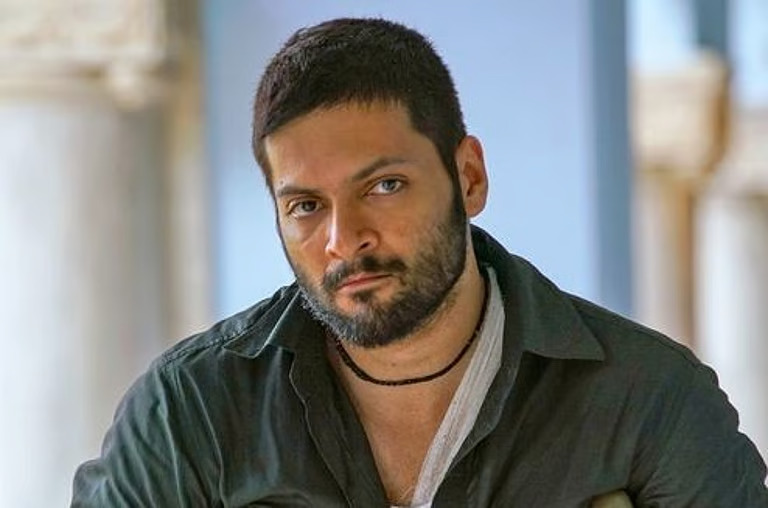
The release of the trailer for Mirzapur Season 2 on Amazon Prime Video in October 2020 was met with excitement from fans of the violent crime drama — but it also sparked a significant online backlash rooted in politics and social media outrage. A wave of calls to boycott the show emerged on Twitter and other platforms, particularly targeting lead actor Ali Fazal for his past comments related to the controversial Citizenship Amendment Act (CAA) protests and anti-CAA violence that swept through several parts of India in 2019 and early 2020.
The controversy began when netizens revisited a tweet by Ali Fazal from December 2019, in which he posted one of his character’s dialogue lines during the nationwide protests against the CAA. Many interpreted it as an endorsement of the demonstrations that had resulted in clashes and episodes of anti-CAA violence, especially in areas such as Delhi’s northeast, where communal clashes led to significant loss of life and property.
Soon after the Mirzapur Season 2 trailer dropped, the hashtag #BoycottMirzapur2 trended aggressively on Twitter. Critics of Fazal claimed that by supporting the anti-CAA protests and, by extension, the unrest associated with them, the actor had alienated portions of the series’ potential audience. One widely shared social media post cited victims of the riots and urged viewers not to watch the show as a form of protest against what they saw as insensitivity toward those affected by the anti-CAA violence.
Some tweets shared screenshots allegedly linking Fazal’s social media posts to celebratory remarks about the riots. Although some of these alleged posts were later reported as doctored or misrepresented, the initial uproar was intense and reflected deep political fault lines in public discourse surrounding the CAA and the unrest it triggered.
Those calling for the boycott did not limit their criticism to Ali Fazal alone. Other celebrities associated with the show, such as producer Farhan Akhtar and co-actor Vikrant Massey, were also mentioned in social media posts, with critics accusing them of opposing nationalist sentiments and supporting movements they considered harmful. However, many of these claims were contesting or lacked full context.
Supporters of the boycott movement argued that public figures should be held accountable for their political expressions, especially when those expressions touch on sensitive national issues like the Citizenship Amendment Act and the protests it triggered. They contended that audiences should use their consumer power — by choosing not to watch the series — to signal disapproval of any perceived endorsement of anti-CAA violence by influential personalities.
On the other hand, many fans and critics of the boycott called the movement misguided or misinformed. Some pointed out that the tweet at the centre of the controversy was taken out of context or manipulated. Reports from fact-checking outlets indicated that while Fazal had tweeted during the period of the CAA protests, the tweet itself did not directly reference specific incidents of riot-related violence, and the imagery attached to some viral posts was added by third parties.
Another line of defense raised by supporters of the show was the distinction between personal political views and professional work. They argued that actors and creators should be free to express their opinions without facing professional consequences, especially in a democratic society. This argument resonated with many in creative communities, who saw the boycott trend as an attempt to police artistic expression based on political disagreements rather than the show itself.
In interviews following the boycott trend, Ali Fazal addressed the situation by emphasising his role as an artist and the importance of free expression. He stated that he would continue to voice his views while also expressing sadness that the backlash had overshadowed the efforts of the many individuals involved in creating Mirzapur Season 2. Fazal stressed that art should not be subject to social media trends that seek to limit expression based on political leanings.
The debate over Mirzapur highlighted broader tensions in Indian society about how politics intersects with media and entertainment. The term anti-CAA violence became a flashpoint in the controversy because it epitomised the emotional and political sensitivities around the Citizenship Amendment Act protests. For many critics, any perceived support for those protests was unacceptable, while others argued that political opinions should not define consumer choices in entertainment.
The boycott movement also sparked discussions about the power of social media to amplify grievances and mobilise opinion, often rapidly and without comprehensive verification of facts. This dynamic has become increasingly common in controversies where cultural products intersect with political debate, leading to situations where public sentiment can shift swiftly based on viral posts, whether fully accurate or not.
Despite the boycott trend, Mirzapur Season 2 went on to release as scheduled on October 23, 2020. While the boycott may have influenced some viewers’ decisions, the series continued to attract a large audience, reflecting its popularity and the complex relationship between art, politics, and public opinion.
Overall, the Mirzapur boycott episode underscored how deeply polarised debates around the Citizenship Amendment Act and related protests had become in India. The recurrence of the phrase anti-CAA violence in discussions surrounding the boycott revealed how such terms can quickly become intertwined with entertainment controversies, reflecting wider cultural and political divides that extend far beyond the realm of television and streaming content.





