
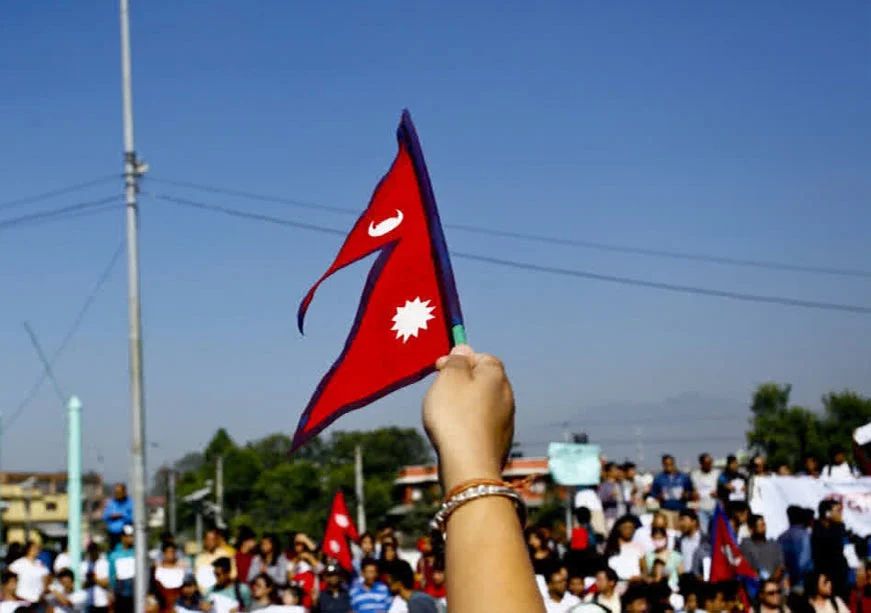
Nepal stands at a decisive juncture, five months after widespread protests led by Generation Z youth. The world witnessed how these demonstrations shook the roots of Nepali politics and forced then-Prime Minister KP Sharma Oli to step down.
Since then, an interim government has been in place, headed by former Supreme Court Chief Justice Sushila Karki. The upcoming elections on March 5 are not just about selecting a new government, they will test Nepal’s democratic trajectory, political culture, and future stability.
The protests in September shook the nation, with incidents of violence, arson, and clashes reported in several areas. As the situation escalated, President Ramchandra Paudel implemented interim arrangements after negotiations with the army and groups representing the protesters.
The dissolution of the House of Representatives paved the way for new elections. The interim, non-political government led by Karki focused on restoring peace, conducting free and fair elections, and addressing the long-ignored demands of the youth.
First General Election Post Gen Z Movement: Is Nepal Ready?
In a nation recovering from unrest, preparations for the elections included easing voter registration, extending deadlines for young voters, and making the process more transparent. A progressive step to allow Nepalis abroad to vote was considered, though technical and legal challenges prevented it this time.
Last December, the interim government reached an agreement with several protest leaders. The pact covered constitutional reforms, changes in the electoral system, transparency in judiciary and administration, and stricter anti-corruption measures. The protests were officially recognized as a people’s movement, linking them to Nepal’s historic struggle for democracy.
However, the movement was not entirely unified. Differences emerged among groups, and monarchist organizations questioned the interim government’s legitimacy, even petitioning for Karki’s resignation. This highlighted the fragmented nature of Nepali politics, with diverse ideologies such as a democratic republic, constitutional reforms, and calls for monarchy coexisting.
Will It Be Just a New PM or a System Change?
Nepal is at a historic juncture, and this is not just about electoral politics, it’s a test of democratic maturity. Since declaring itself a federal democratic republic in 2008, Nepal has seen 14 prime ministers. Governments have often depended on fragile coalitions, leading to frequent instability.
This political volatility fueled youth discontent, which exploded into mass protests witnessed globally. Citizens felt political parties were mired in power struggles, while pressing public issues, employment, inflation, education, healthcare, and overseas migration remained unaddressed.
KP Sharma Oli of the Communist Party of Nepal called the protests a conspiracy against his nationalist policies and defended his decision to dissolve parliament, though his own party experienced internal divisions. Some leaders sought to prepare for elections, while others questioned the legitimacy of the interim government. At the same time, the youth’s demands could not be ignored.
Nepali Congress also saw waves of change. Senior leader Sher Bahadur Deuba faced public pressure, while younger leaders like Gagan Thapa openly called for reforms. Internal elections and leadership debates followed, eventually forming a new structure under Thapa. He positioned himself as a prime ministerial candidate and proposed reforms such as term limits, transparent ticket distribution, curbs on nepotism, and impartial investigation of corruption cases.
Meanwhile, the Maoist faction, led by Pushpa Kamal Dahal, allied with smaller leftist parties to form a new coalition. The National Independent Party, positioning itself as an alternative to traditional politics, attempted to form a broad front with new faces, including Rabi Lamichhane. Political observers note that even alternative politics faces internal challenges.
More Than Just a Change of Power: Testing Youth Trust
The significance of these elections goes beyond leadership change it tests the confidence of the youth. More than half of voters are aged 18–40, yet major parties still struggle to involve them meaningfully. Political leadership hesitates to provide full opportunities to the next generation, making the reform process slow and difficult.
Nepal faces major challenges, including economic reforms, job creation, tourism and hydropower development, protection of Nepali workers abroad, improvements in education and healthcare, and curbing corruption. Diplomatically, maintaining a balance between major neighbors India and China is also critical.
Regardless of which party forms the next government, public expectations are high. Ignoring the youth’s voice risks renewed discontent. Yet hope persists. Increasing youth participation, active civil society, and demands for transparency indicate society is ready for change.
The question is not just leadership, it’s political culture. Will parties rise above short-term power games and focus on long-term policy stability? If they act with honesty and accountability, the elections could mark a new chapter in Nepal’s democratic journey.
The decisive factor will be political will, continuity, and patience in implementing reforms. Ultimately, this election will reveal whether disappointment dominates or hope begins a new era.