



















RelatedPosts
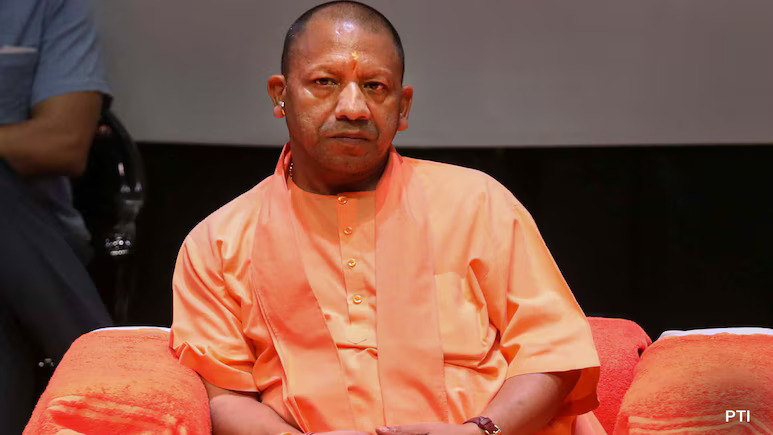
In a move that blends governance with humanitarian responsibility, the Uttar Pradesh government has taken a significant step by allotting land to 99 families in Kanpur Dehat who had been living in Meerut for decades after leaving their original homes. These families, widely identified as displaced Hindus from Bangladesh, had built fragile lives on uncertain ground, holding on to hope that one day they would receive legal recognition, stability, and a place to call their own. The decision marks not only an administrative action but also an emotional milestone for people who carried the weight of loss, migration, and statelessness for years.
The journey of these displaced Hindus from Bangladesh began with difficult circumstances across the border, where social pressures, insecurity, and fear pushed them to seek refuge in India. Arriving with little more than memories and faith, they settled in parts of Uttar Pradesh, including Meerut, where they survived through daily wage work, small trades, and close knit community networks. Despite contributing to the local economy and culture, they often lived without formal land rights, proper housing documentation, or long term security.
For decades, life remained uncertain for displaced Hindus from Bangladesh who were part of these settlements. Makeshift shelters, limited access to government welfare, and the constant anxiety of displacement shaped their everyday reality. Children grew up in temporary colonies, parents aged without guarantees of permanence, and entire generations carried the identity of being uprooted. The recent land allotment in Kanpur Dehat is therefore more than a property transfer. It is recognition of their presence, their struggle, and their belonging within the social fabric of the state.
Officials involved in the process have emphasized that the move aligns with broader efforts to rehabilitate vulnerable communities and integrate them into mainstream development. By providing legal land ownership, the state is enabling displaced Hindus from Bangladesh to access housing schemes, sanitation facilities, electricity connections, and education benefits more easily. Ownership also opens doors to financial inclusion, allowing families to seek loans, start small businesses, or invest in improving their homes without fear of eviction or sudden displacement.
For many among the displaced Hindus from Bangladesh, the emotional dimension of rehabilitation is just as powerful as the material one. Stories emerging from the families speak of relief, gratitude, and a sense of finally being seen by the system. Elderly members recall the pain of leaving their ancestral homes and the long years of waiting in uncertainty. Younger generations, born in India yet growing up in informal settlements, now see a future where their identity is tied to a permanent address rather than a transient label associated with migration.
The social impact of this decision extends beyond the 99 families who received land. Rehabilitation helps reduce informal settlements, improves public health conditions, and strengthens local economies. When displaced Hindus from Bangladesh receive stable housing, children are more likely to attend school regularly, women gain safer living environments, and families can plan for the future rather than focus only on survival. Integration also fosters social harmony, as communities built on legality and dignity are better positioned to participate in civic and economic life.
Observers note that such measures require careful planning to ensure infrastructure keeps pace with resettlement. Roads, water supply, healthcare access, and employment opportunities will determine the long term success of the initiative. However, the first step of granting land rights is foundational. It transforms displaced Hindus from Bangladesh from temporary occupants into recognized stakeholders in the state’s development journey. Legal ownership provides a sense of rootedness that no temporary arrangement can offer.
The role of local administration has been crucial in identifying eligible families, processing documentation, and coordinating the allotment process. Transparency and fairness in selection help build trust, especially among communities that have long felt overlooked. For displaced Hindus from Bangladesh, the paperwork itself represents a shift from invisibility to acknowledgment, from uncertainty to legal standing. It signals that their years of residence and contribution have been formally recognized.
This development also carries symbolic weight in the broader regional context. Migration linked to Bangladesh has been a sensitive and complex issue for years, intersecting with history, politics, and human rights. By focusing on rehabilitation and dignity, the state signals that humanitarian concerns can be addressed through structured policy rather than neglect. The lives of displaced Hindus from Bangladesh, once defined primarily by displacement, can now be reshaped by opportunity and inclusion.
As these families prepare to move into their allotted land in Kanpur Dehat, the moment carries both closure and beginning. Closure for years of waiting in temporary spaces, and beginning of a chapter rooted in stability. Homes built on legally owned land offer more than shelter. They offer security, pride, and the confidence to dream beyond immediate survival.
In the end, the story of these families is one of resilience. Despite leaving their homes under distress and living for decades on the margins, they preserved community bonds and hope. The land allotment does not erase the past, but it lays the foundation for a future where their children grow up not as people defined by displacement, but as citizens with a stake in the soil beneath their feet.





