




















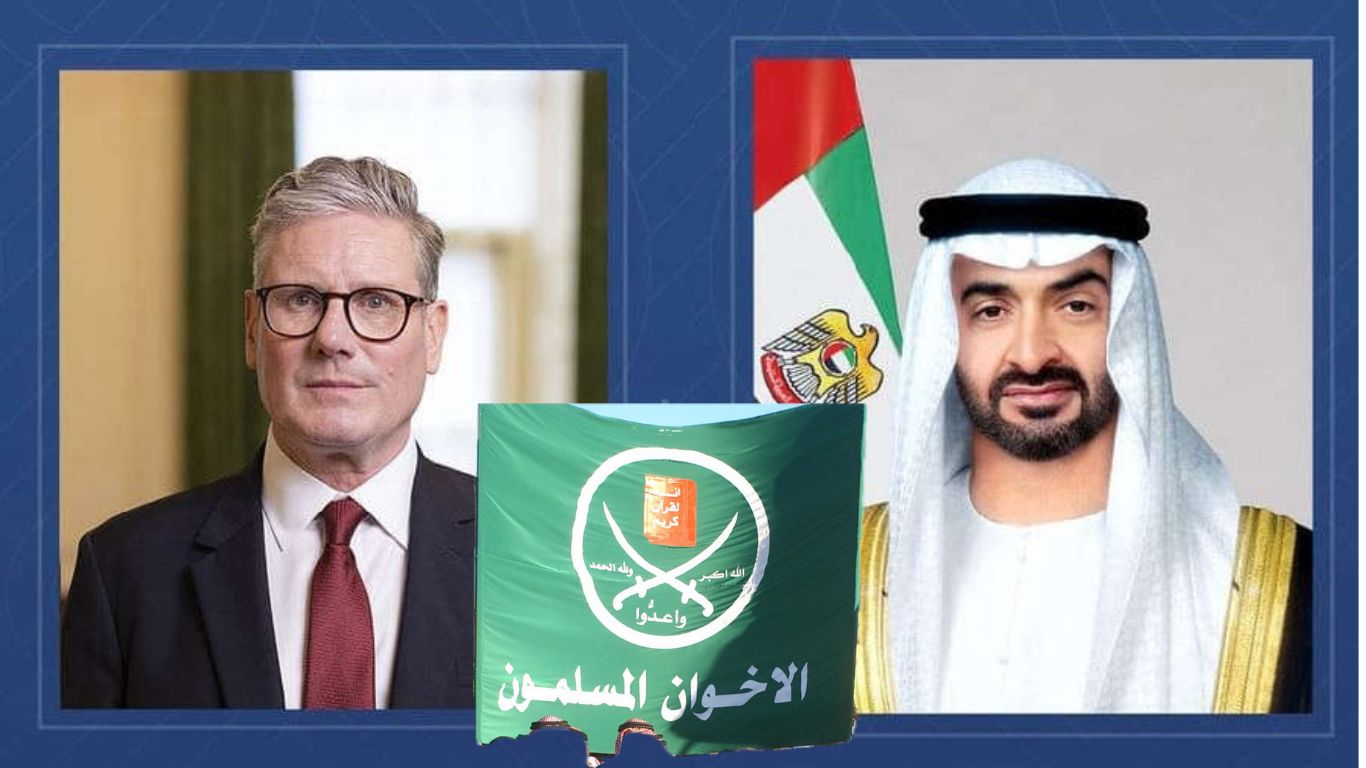
The United Arab Emirates has moved to restrict government funding for Emirati students seeking to study in the United Kingdom. The decision reflects growing tensions between Abu Dhabi and London, particularly over the UK’s position on the Muslim Brotherhood.
The move marks a significant shift in a traditionally close educational relationship and raises concerns about the future of UK-UAE academic ties.
UK Universities Excluded From State Scholarships
In June 2025, the UAE’s Ministry of Higher Education released a revised list of international universities eligible for state-funded scholarships. The list included institutions from the United States, Australia, France, and Israel. However, British universities were absent.
According to media reports, UAE officials confirmed to UK counterparts that the exclusion was deliberate. It was not a technical error or oversight.
As a result, new Emirati students enrolling in UK universities will receive little or no federal funding. However, students already studying in the UK will continue to receive support.
Radicalisation Fears Drive the Decision
Officials familiar with the policy said Abu Dhabi remains concerned about Islamist influence on British university campuses. In particular, the UAE fears exposure to Muslim Brotherhood-linked ideas.
One source said the government does not want Emirati students to face radicalisation during their studies abroad. In response, UK officials defended academic freedom and denied that campuses pose a systematic risk.
Nevertheless, the UAE sees the issue as a matter of national security and social stability.
Wealthier Families Still Have Options
Importantly, the UAE has not imposed a full ban on studying in the UK. Wealthier families can still send their children to British universities if they cover all costs privately.
However, the government will not recognise degrees from universities that fall outside the approved list. This includes most UK institutions. As a result, UK degrees now carry less value for Emiratis seeking jobs or further education at home.
Sharp Drop in Emirati Student Numbers
The impact is already visible. In the year ending September 2025, only 213 Emirati students received UK study visas. This marks a 27% drop from the previous year and a 55% decline compared to 2022.
Funding for UK-based studies had already fallen before June. The latest policy has further accelerated the decline.
Also Read: Money over Islamic brotherhood; Mercenary Pak army to now attack UAE
Muslim Brotherhood Remains a Core Dispute
The issue ties closely to the UAE’s long-standing opposition to the Muslim Brotherhood. Since the 2011 Arab uprisings, Abu Dhabi has cracked down on Islamist movements at home and abroad.
Under President Sheikh Mohammed bin Zayed, the UAE has repeatedly urged the UK to ban the Brotherhood. However, a 2015 UK government review found no direct link between the group and terrorist activity in Britain.
Prime Minister Keir Starmer’s government has said it keeps the issue under review. Meanwhile, Reform UK leader Nigel Farage has promised to ban the Brotherhood if elected. Notably, the UAE funded Farage’s visit to the country in 2025.
Wider Strains in UK-UAE Relations
The scholarship decision fits into broader diplomatic frictions. These include disputes over a UAE-backed bid to acquire The Daily Telegraph, allegations of Emirati involvement in Sudan’s conflict, and legal issues involving Manchester City Football Club.
Despite this, British universities continue to expand within the UAE. Institutions such as the University of Manchester and Heriot-Watt University operate campuses in Dubai.
Still, the exclusion of UK universities from state scholarships highlights growing political mistrust. It also signals tougher choices ahead for Emirati students who once saw Britain as a top study destination.





