
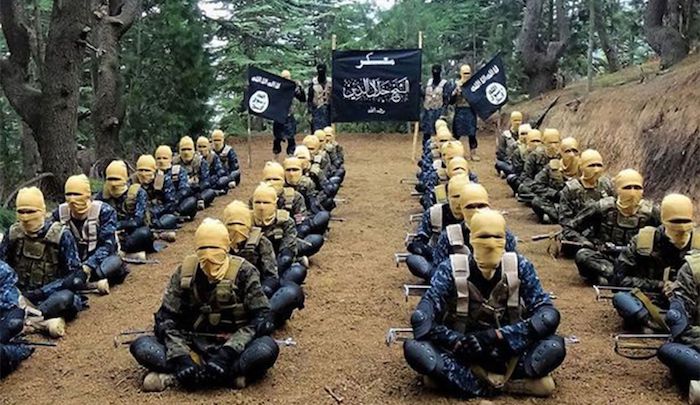
The revelation that thousands of Turkish citizens have joined the Islamic State has shaken assumptions about radicalization patterns in the Middle East and Europe. Once viewed largely as a transit zone for extremists moving toward Syria and Iraq, Turkey has increasingly been described by security analysts as a primary recruiting ground for the group. This shift has profound implications not only for Turkey’s internal stability but also for regional and global counterterrorism efforts, as recruitment within a major NATO country alters the scope and scale of the threat.
The involvement of Turkish citizens in the Islamic State did not emerge overnight. It developed gradually as the Syrian civil war destabilized border regions and created ideological spillover effects. Extremist recruiters exploited chaos, presenting the conflict as a religious duty while masking the brutality of the organization. Social networks, informal religious circles, and online platforms played a central role in normalizing extremist narratives, making recruitment more personal and less visible to authorities until the numbers became impossible to ignore.
A complex mix of social, political, and economic factors has influenced why some Turkish citizens were drawn toward the Islamic State. Marginalization, unemployment, identity crises, and perceived injustices created fertile ground for radical messaging. Recruiters framed participation as a path to purpose and belonging, especially for young people searching for meaning. This narrative was carefully crafted to resonate within local contexts, often avoiding overt calls to violence in the early stages of engagement.
Geography also mattered. Turkey’s long border with Syria facilitated movement during the height of the conflict, enabling recruiters to operate with relative ease. In certain communities, networks formed that quietly funneled Turkish citizens toward conflict zones. While the Turkish state eventually tightened border controls and increased surveillance, early gaps allowed extremist cells to establish trust based relationships that proved difficult to dismantle even after military defeats weakened the Islamic State’s territorial control.
The role of digital propaganda cannot be overstated. Online content in the Turkish language was tailored to address domestic grievances and reinterpret global events through a radical lens. For some Turkish citizens, exposure to this content blurred the line between political dissent and violent extremism. Encrypted messaging applications further complicated detection, allowing recruiters to maintain contact, provide ideological reinforcement, and coordinate travel without attracting immediate attention from law enforcement agencies.
Turkey’s response evolved significantly as the scale of the problem became clearer. Security forces launched extensive counterterrorism operations, arresting suspects, dismantling cells, and prosecuting returnees. Rehabilitation and deradicalization programs were also introduced, recognizing that not all Turkish citizens who had been influenced by extremist ideology were hardened militants. This multidimensional approach aimed to combine enforcement with prevention, though challenges remained in balancing civil liberties with security needs.
The international dimension of the issue remains critical. Allies have urged Turkey to sustain intelligence sharing and judicial cooperation, particularly regarding foreign fighters and financing networks. The presence of radicalized Turkish citizens has implications beyond national borders, as returnees may attempt to regroup or inspire attacks elsewhere. As a result, Turkey’s domestic counterterrorism measures have become an integral part of broader global efforts to prevent the resurgence of the Islamic State.
Ultimately, understanding why thousands joined the Islamic State requires moving beyond simplistic explanations. The experience of Turkish citizens illustrates how local vulnerabilities intersect with global extremist movements. Addressing the roots of radicalization demands long term investment in social inclusion, education, and credible religious discourse, alongside firm security measures. Only through such a comprehensive strategy can the cycle of recruitment be broken and the lingering threat of extremist violence be effectively contained.