





US President Donald Trump has issued a fresh and unusually blunt warning to India, threatening to sharply raise tariffs if New Delhi continues to purchase Russian oil, even as Washington simultaneously signals coercive intent across Latin America and the Arctic region.
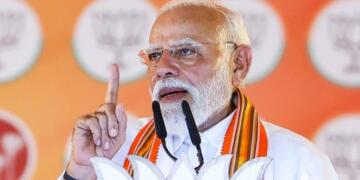
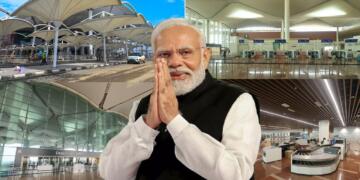
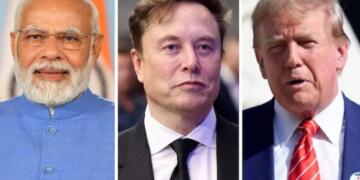
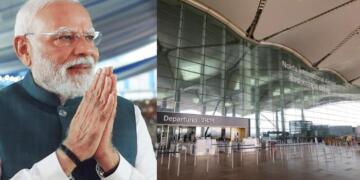
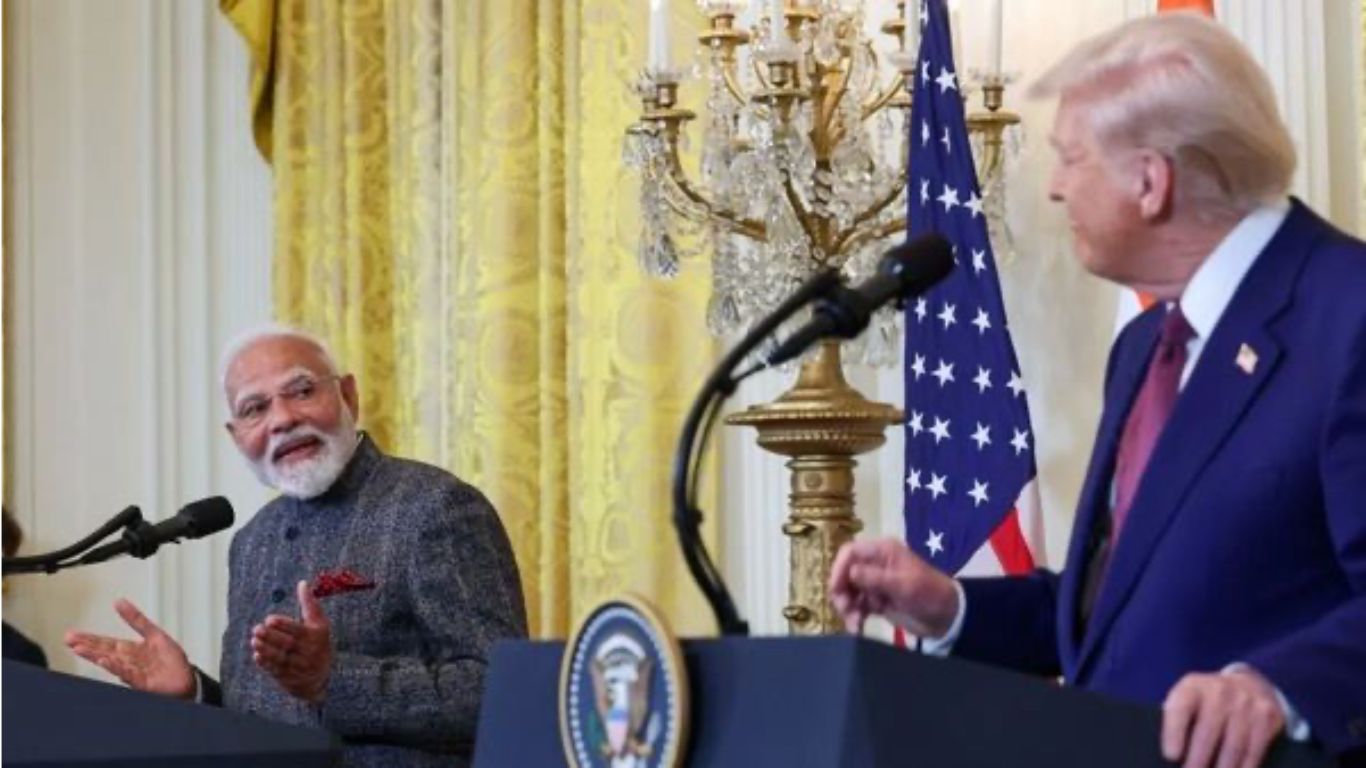
Speaking aboard Air Force One on Sunday (January 4), Trump said tariffs on India could be increased “very quickly” and warned such a move would be “very bad” for New Delhi. Referring to PM Narendra Modi, Trump remarked, “Modi’s a very good guy… but he knew I was not happy. It was important to make me happy.”
The warning comes despite India already facing one of the highest tariff regimes imposed by the US—up to 50% on several export categories—following an additional 25% penalty levied last August over India’s continued trade with Russia.
Since the outbreak of the Russia–Ukraine war in 2022, India has significantly expanded imports of discounted Russian crude to protect domestic energy security. While purchases have declined by nearly 10% year-on-year, Russia remains India’s largest crude supplier, with imports worth over $31 billion in the current financial year so far.
Washington, however, appears increasingly impatient. The Trump administration is backing legislation that would empower the President to impose tariffs of up to 500% on countries continuing trade with Russia.
US Senator Lindsey Graham on Sunday (local time) claimed that Indian Ambassador to the United States Vinay Mohan Kwatra spoke with him last month about India reducing its purchases of Russian oil and requested that he convey to US President Donald Trump a plea to ease the 25 per cent tariff.
Speaking to reporters aboard Air Force One alongside Trump, Graham said, “I was at the Indian Ambassador’s house a month ago, and all he wanted to talk about was how India is buying less Russian oil. And he asked me to tell the President to relieve the 25% tariff.”
#BREAKING: US Senator Lindsey Graham with President Donald Trump, claims, “I was at the Indian Ambassador’s house a month ago and all he wanted to talk about was how India is buying less Russian oil. And he asked me to tell the President to relieve the 25% tariff.” pic.twitter.com/ZBttOckumc
— Aditya Raj Kaul (@AdityaRajKaul) January 5, 2026
Also Read: US Strikes ISIS Terrorists in Nigeria, Trump Looks Serious in Defeating Radical Islamist Terrorism
The remarks come as President Trump has warned India of additional tariffs over its continued imports of Russian oil. “PM Modi’s a very good man. He’s a good guy. He knew I was not happy. It was important to make me happy. They do trade, and we can raise tariffs on them very quickly,” Trump said. Trump’s warning comes amid growing scrutiny in Washington over India’s energy trade with Russia, even as New Delhi has defended its oil purchases as critical to maintaining domestic energy security.
Meanwhile, Trump’s posture is not limited to India. In the aftermath of US military strikes on Venezuela and the capture of President Nicolás Maduro, the US President issued explicit threats against Colombia, Cuba and Mexico.
Trump accused Colombian President Gustavo Petro of “making cocaine” and openly entertained the prospect of a US operation against Colombia, saying, “Sounds good to me.” He also predicted the collapse of the Cuban government and warned Mexico that “something will have to be done” over drug cartels.
After these statements, speculations have increased in international communities about Trump’s actions in these nations. What will Trump do? Will the US kidnap Colombian President Gustavo Petro like Maduro or will Colombia be attacked? Or something else.
On Sunday, on an NBC news, Secretary Rubio said the same for Cuba in a threatening tone. When the Journalist asked him, “Is the Cuban government Trump’s next target?”
Secretary Rubio is very clear on Cuba.
Listen to him, He says “Cuban Government is a huge problem”
Is cuban govt is Trump’s next target?
Rubio: Yes pic.twitter.com/npPS11Nc65
— Anmol (@anmol_kaundilya) January 4, 2026
He replied, “The Cuban Government is a huge problem, yes”. This was a clear intimidation from the Secretary.
Together, the developments suggest a Trump administration increasingly comfortable with economic coercion and military threats—using tariffs, force, and intimidation as parallel tools of statecraft. For India, the message from Washington is clear: strategic autonomy now comes with an explicit economic cost.