





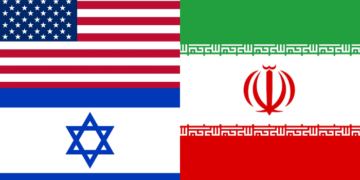








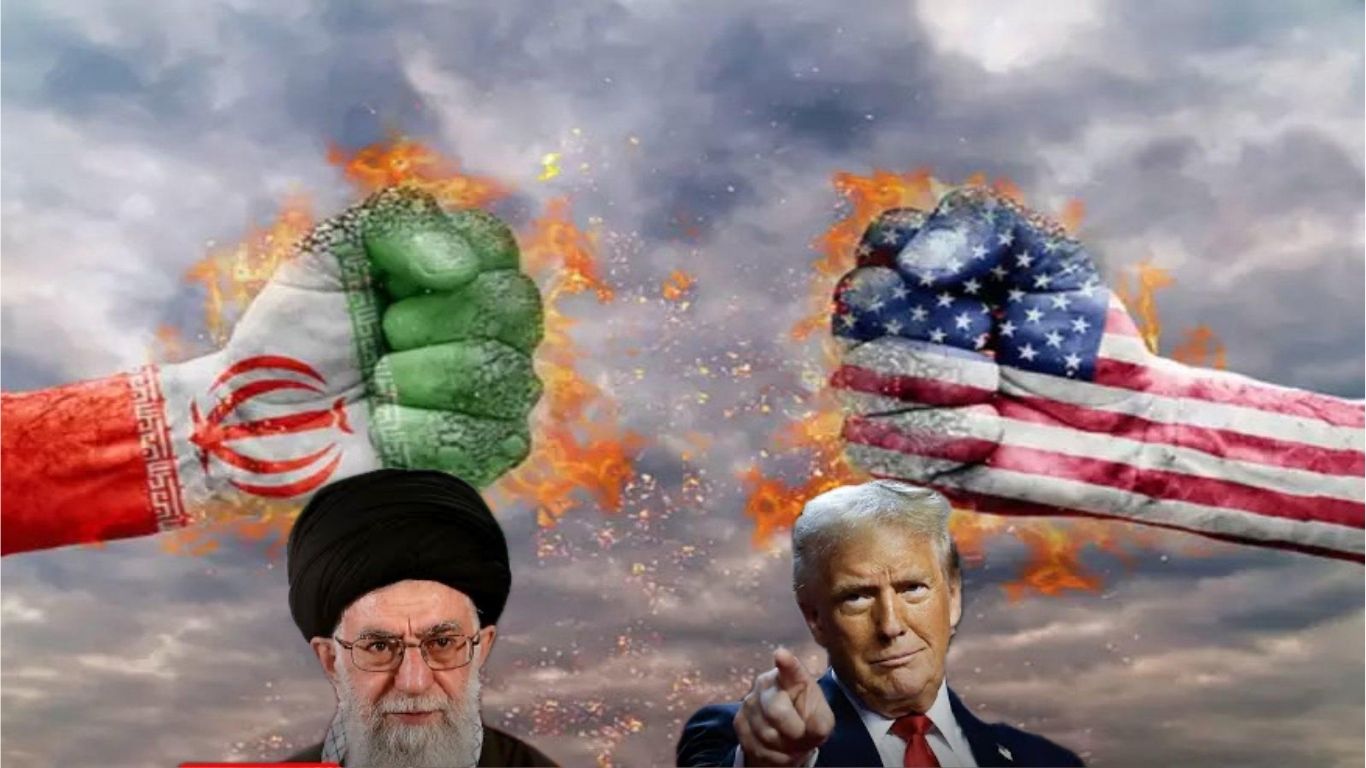
As violent protests continue to spread across Iran, US President Donald Trump has escalated pressure on Tehran by announcing sweeping economic penalties and openly warning of possible military action. On Monday, Trump declared that any country maintaining trade relations with Iran would face a 25% tariff on all business with the United States, a move aimed at isolating the Islamic Republic amid its most serious internal unrest in years.
The announcement comes as demonstrations rage across all 31 Iranian provinces, driven largely by economic collapse, soaring prices, and public anger over governance. According to the US-based Human Rights Activists News Agency (HRANA), at least 646 people have been killed in the unrest, including more than 500 protesters. Over 10,700 individuals have been detained during the past two weeks alone, figures cited by the AP.
Trump, reacting sharply to reports of state violence, warned that Iran may be crossing a “red line.” He said his administration is actively weighing “very strong options” if Tehran continues to use lethal force against demonstrators.
In a post on his Truth Social platform, Trump stated, “Effective immediately, any country doing business with the Islamic Republic of Iran will pay a tariff of 25 per cent on any and all business being done with the United States.” He added that the decision was “final and conclusive.”
White House Signals Force, but Keeps Door Open to Diplomacy
The tough rhetoric was reinforced by White House Press Secretary Karoline Leavitt, who confirmed that military strikes remain among the options under consideration. However, she stressed that diplomacy remains the administration’s preferred path, even as tensions rise rapidly.
Meanwhile, Iran’s leadership has pushed back against Washington’s narrative. Foreign Minister Abbas Araghchi alleged that the protests had been deliberately turned violent to create a pretext for US intervention. He did not, however, provide evidence to support the claim.
The protests have been exacerbated by severe economic distress. Since the UN reinstated sanctions last year over Iran’s nuclear programme, the country’s economy has deteriorated sharply. The Iranian rial has plunged to historic lows and is now trading at more than 1.4 million to the US dollar. Internet and telephone services have also been repeatedly shut down, limiting the flow of information from inside the country.
Also Read: Trump’s 500% Tariff Threat: A Make-or-Break Moment Not Just for India, but for the United States
Why India Is Likely to Feel the Impact
Although China remains Iran’s largest trading partner, several other countries, including India, Iraq, the UAE and Turkey, maintain significant commercial ties with Tehran. As a result, Trump’s tariff threat is expected to have direct consequences for India.
India and Iran share long-standing trade relations, particularly in agriculture and pharmaceuticals. According to the Indian Embassy in Tehran, bilateral trade during 2024–25 stood at $1.68 billion, with Indian exports worth $1.24 billion and imports totalling $440 million. Key Indian exports include basmati rice, tea, sugar, fruits and medicines, while imports consist mainly of apples, pistachios, dates and kiwis.
Trade data from Trading Economics shows that cereals formed the largest share of India’s exports to Iran in 2024, followed by food industry residues, spices and machinery. On the import side, organic chemicals, fruits and mineral fuels dominated shipments from Iran.
Trump’s move adds to India’s existing trade challenges. The US has already imposed tariffs of up to 50% on Indian goods, citing New Delhi’s continued purchases of Russian oil. Additional penalties linked to Iran could further strain Indian exporters and complicate the long-delayed India-US trade agreement, which both sides have been trying to finalise.
Despite these tensions, US ambassador-designate Sergio Gor struck an optimistic tone on Monday, calling India “an essential partner” and confirming that negotiations on a bilateral trade deal remain active.
Legal Uncertainty Looms Over Trump’s Tariff Strategy
At home, Trump’s aggressive tariff policy faces a major legal test. Several US states and small businesses have challenged the levies in the Supreme Court, arguing that the President exceeded his authority. If the court rules against the administration, Washington may be forced to refund billions of dollars already collected.
Acknowledging the risk, Trump bluntly wrote on Truth Social that if the court rules against him, “we’re screwed.”
As Iran’s unrest deepens and global trade tensions rise, the fallout from Washington’s latest move is likely to extend far beyond Tehran, with countries like India caught squarely in the middle.