






















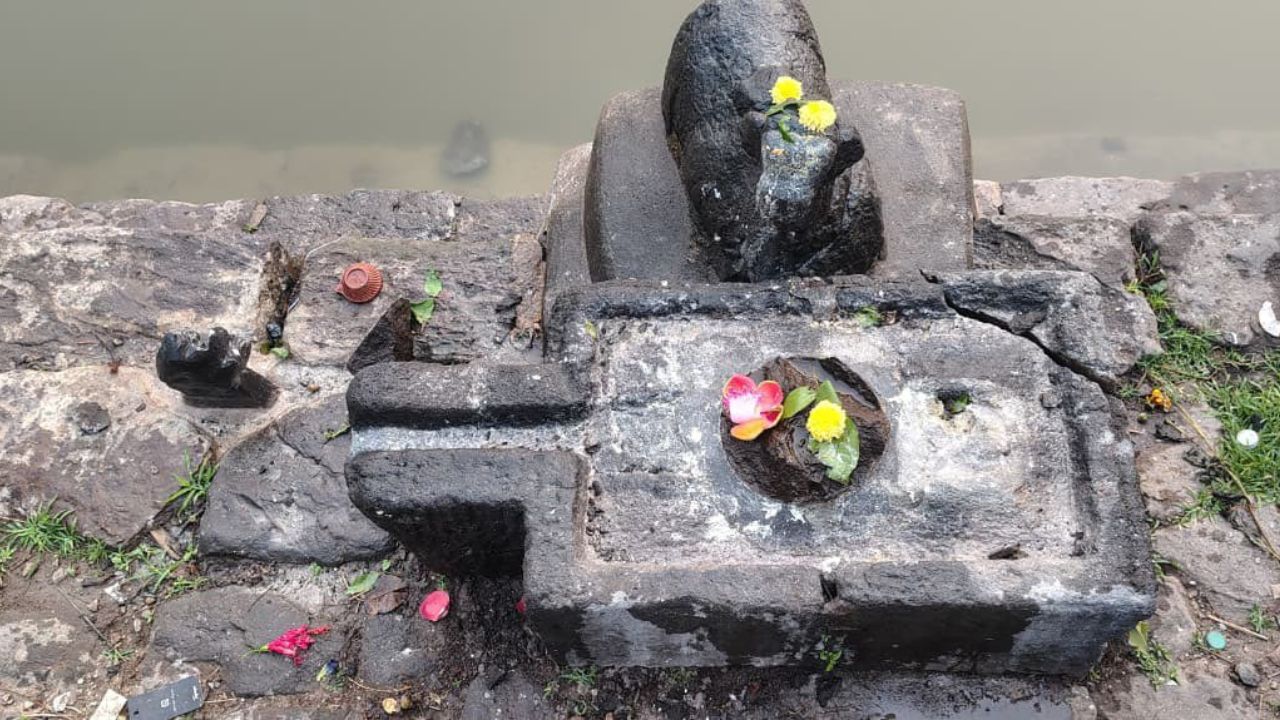
Desecration of the Shiva Lingam at the historic Draksharamam temple in Andhra Pradesh is not merely an act of vandalism but a grave affront to faith, heritage, and the shared moral fabric of society. When a site revered for generations is violated, the damage extends far beyond stone and ritual. It wounds collective memory and shakes public confidence in the basic expectation that places of worship will be respected and protected.
Draksharamam is not an ordinary shrine. It is a centuries old spiritual center that has anchored the religious and cultural life of the region for ages. The incident occurring on Vaikunta Ekadasi, a day of deep spiritual importance for devotees, compounds the offense. Choosing such a moment reflects either reckless disregard for religious sentiment or a willful act of provocation. Either way, it represents a failure of personal restraint and civic responsibility.
While police investigations suggest that the act may have stemmed from a personal dispute rather than an organized communal agenda, this distinction does not lessen the severity of the crime. Personal grievance can never justify the desecration of a sacred Shiva Lingam. Temples are not battlegrounds for ego or revenge. They are spaces meant for devotion, reflection, and community cohesion. Dragging private anger into such a space is a moral collapse that society must unequivocally condemn.
The initial public reaction, marked by protests and anxiety over communal harmony, reveals a deeper truth. Acts like this have consequences that ripple outward quickly. Even when motives are personal, the symbolism of the act of defiling Shiva Lingam inflame fears and suspicions, especially in a diverse society where religious identity carries deep emotional weight. Those who commit such acts must understand that they are not just lashing out at an institution but risking social peace.
It is therefore appropriate that law enforcement responded swiftly. The use of CCTV footage, coordinated police teams, and prompt detention reflects the seriousness with which the state has treated the matter. The assurance by the government that the investigation will be transparent and impartial is crucial. Justice must be seen to be done, not only to punish wrongdoing but to reassure citizens that the rule of law stands above individual impulses and vendettas.
At the same time, the episode to defile Shiva Lingam exposes the need for stronger preventive measures. The permanent installation of high definition cameras and increased patrolling at the Sapta Godavari riverfront is a necessary step, though it should never become the norm that sacred spaces resemble fortified zones. True protection comes from a culture of respect, where individuals recognize boundaries and resolve disputes through dialogue and lawful channels.
The ceremonial reinstallation of a new Shiva Lingam was an important gesture toward healing. Ritual restoration can help devotees regain a sense of sanctity, but symbolic acts must be accompanied by accountability. Forgiveness and reconciliation are noble values, yet they do not negate the need for consequences. Without accountability, the message sent is one of tolerance for intolerance.
This incident should also prompt introspection within religious and temple administrations. Disputes between individuals and institutions, including disagreements over rituals, must be handled with sensitivity and openness. While nothing excuses the alleged actions of the accused, transparent communication and grievance redressal mechanisms can prevent anger from festering into destructive behavior.
Ultimately, the desecration of Shiva Lingam at Draksharamam is a reminder of how fragile social trust can be. Faith binds communities, but it can also be exploited or injured by those who act without conscience. Condemning this act is not about taking sides or amplifying division. It is about affirming a shared principle that sacred spaces deserve protection and that anger, no matter how personal, must never be allowed to defile what millions hold holy.
A society that aspires to harmony must draw a clear moral line. Respect for faith, adherence to law, and responsibility in action are not optional virtues. They are the foundation upon which peaceful coexistence rests. When that foundation is shaken, as it was in desecrating Shiva Lingam at Draksharamam, the response must be firm, fair, and guided by a commitment to justice and unity.