

















One of the longest-running defence controversies of 2025 revolved around a single question: did the Indian Air Force lose a Rafale fighter jet during its clash with Pakistan in May, and if yes, how many?
For months, uncertainty surrounded the issue. Pakistan made bold claims. China amplified them. India stayed silent. As a result, speculation filled the gap.
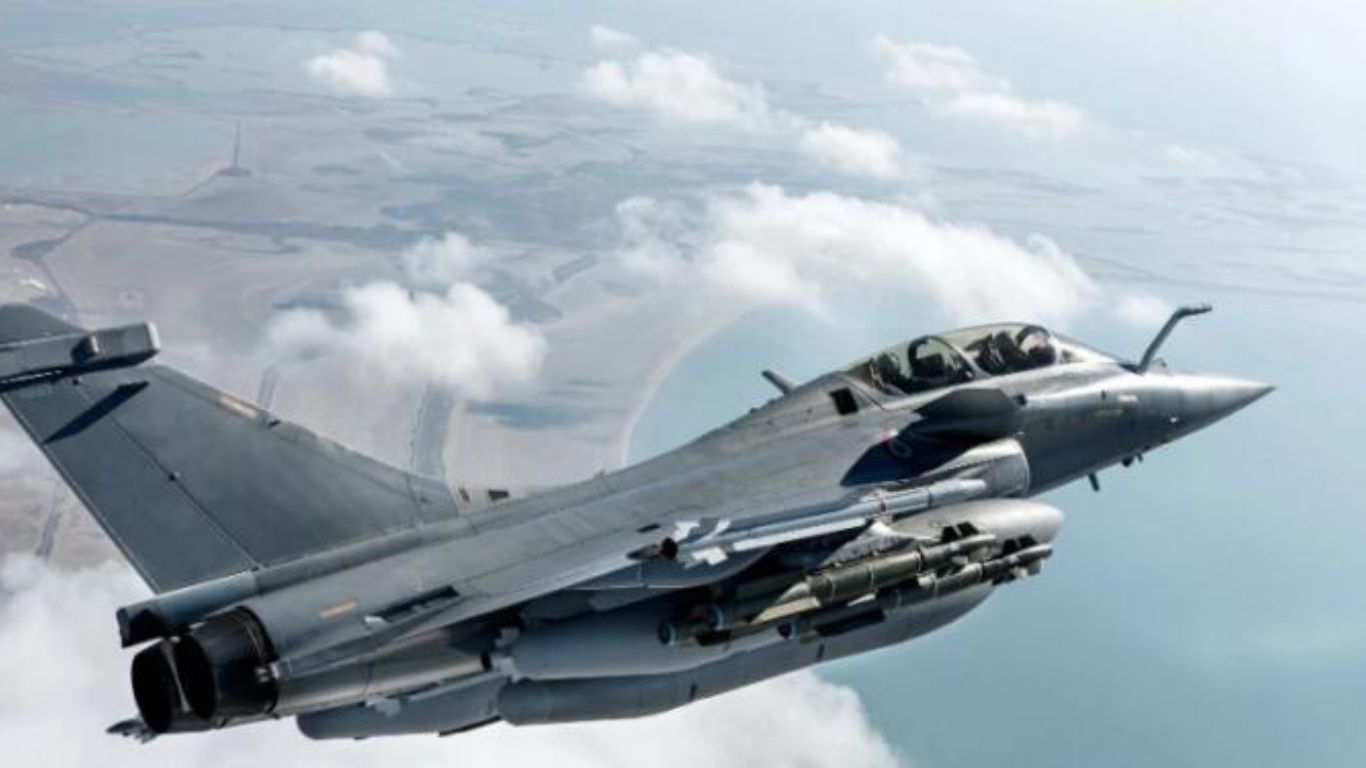
At the centre of the controversy stood the Rafale, France’s flagship fighter jet. Defence experts often describe it as the best European combat aircraft. It has seen action in Libya, Syria, Iraq, and Mali. Before May 2025, no Rafale had ever been lost in combat.
Facing it was Pakistan’s J-10C, a Chinese-built fighter with no prior combat experience. Pakistan initially claimed that it shot down one Rafale. Soon after, the number rose to three. Nearly a month later, Islamabad claimed it destroyed four Rafales.
China’s state media seized the opportunity. Chinese outlets ran stories questioning Rafale’s performance. Chinese embassy-linked accounts circulated AI-generated images and videos showing Rafales being shot down. French intelligence later traced thousands of new social media accounts spreading these claims.
France reacted sharply. The French Defence Ministry accused Chinese embassies of running a coordinated disinformation campaign. Officials said the aim was clear: hurt Rafale’s global reputation and promote the J-10C as a cheaper alternative.
“The Rafale was not randomly targeted,” a French defence note said. “These attacks sought to undermine France’s defence credibility.”
Despite the noise, Rafale’s market position remained strong. In June, Indonesia signed a Letter of Intent for 12 additional Rafales. In July, reports said Jakarta was considering doubling the order to 24 jets.
Conflicting Statements and Strategic Silence
As the controversy grew, reports began to surface from France. In July, two senior French officials reportedly confirmed that India lost one Rafale. Around the same time, Dassault Aviation CEO Éric Trappier allegedly said India lost a Rafale due to a technical failure at high altitude.
A French defence website, Avion De Chasse, reported that the aircraft crashed during a high-altitude mission above 12,000 metres. The report said no enemy radar or hostile action appeared during the incident.
However, confusion deepened within a day. Dassault Aviation denied that Trappier made any operational comments. The company said he had not spoken about the Rafale’s use during the conflict.
Also Read: India’s Defence Procurement Board Clears 114 Rafale Jets in Rs 3.25 Lakh Crore Mega Deal
Meanwhile, Indian officials offered indirect hints. In July, Defence Secretary RK Singh responded to a question about Rafale losses. He rejected the use of the plural term “Rafales.” His statement suggested that, at most, India lost one aircraft.
At the same time, rumours claimed tensions between Indian officials and Dassault over the Rafale’s performance. No evidence supported these reports. In fact, the Indian Air Force moved in the opposite direction.
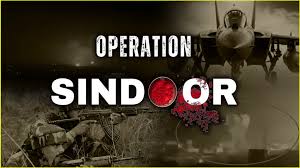
In September, the IAF submitted a proposal to acquire 114 more Rafale jets. The move signalled continued trust in the platform. The IAF also maintained that Operation Sindoor achieved all its goals. Indian forces hit nine terrorist camps and 11 Pakistani air bases across Pakistan.
Still, the lack of official clarity allowed Pakistan to continue its claims. China also doubled down.
A Detail That Changed the Picture
Nearly seven months after the conflict, a small detail may have ended the debate.
Earlier this month, French and Indian media reported that India and France were close to finalising a deal for 114 Rafale jets. The agreement could be signed in February 2026 during French President Emmanuel Macron’s visit to India.
Under the proposed plan, France would deliver 18 jets in fly-away condition. India would manufacture the remaining 96 domestically. Indigenous content would reach around 30%.
However, the French aviation website Avions Legendaires included a crucial line. It said that “the thirty-five current Rafale F3s in service with the Indian Air Force will be upgraded to the F4 standard.”
India originally bought 36 Rafales under the 2016 deal. All arrived by 2022. If India plans to upgrade only 35 aircraft, one aircraft no longer exists in service.
That detail strongly suggests that India lost one Rafale in 2025.
The conclusion matches earlier indirect statements by French officials and defence leaders. It also aligns with India’s careful language throughout the year.
China, meanwhile, has made its own claims official. In January, Chinese authorities listed the J-10CE’s “combat debut” among the top defence achievements of 2025. State media claimed the jet shot down multiple enemy aircraft without suffering losses.
India has not responded to those claims.
What now seems clear is this: India achieved its objectives during Operation Sindoor. It likely lost one Rafale, either due to enemy action or technical failure. Pakistan lost several aircraft, according to Indian estimates, though Islamabad has not acknowledged any losses.
With new deals on the horizon, the Rafale debate appears finally over.





