
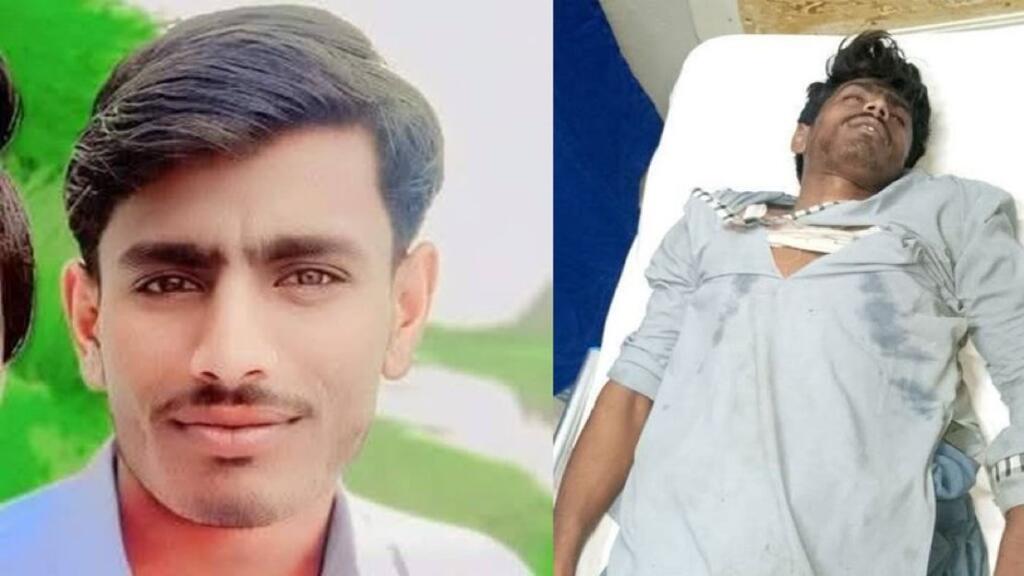
Sindh, Pakistan, is witnessing an unprecedented wave of protests after the shocking murder of 22-year-old Hindu youth Kailash Kolhi. Reports suggest that Kolhi was allegedly killed by a powerful feudal lord, Sarfaraz Nizamani, sparking widespread outrage among minority communities and human rights activists. The brutal nature of the killing and the perceived failure of local authorities to act swiftly have ignited anger, leading to massive demonstrations across the province.
The incident has brought renewed attention to the vulnerabilities faced by minority communities in Pakistan, particularly in rural Sindh, where feudal structures often wield significant influence over local governance and law enforcement. Kailash Kolhi, a young man known for his vibrant presence in his community, became the latest victim in a long history of violence against marginalized groups. Eyewitnesses claim that Kolhi was targeted deliberately, highlighting the deep-rooted social and economic hierarchies that continue to plague the region.
Protests erupted almost immediately after news of murder of Kailash Kolhi spread. Thousands of people took to the streets in major cities, including Hyderabad, Sukkur, and Mirpur Khas, demanding justice. Protesters carried placards and chanted slogans calling for the arrest of the alleged perpetrator, emphasizing that the crime should be treated as an act of terrorism rather than a mere local dispute. Demonstrations have been largely peaceful, although some areas witnessed tense standoffs with police forces attempting to manage the crowds.
Minority advocacy groups have voiced their frustration with the government’s slow response. They argue that incidents like these are symptomatic of a larger systemic failure to protect vulnerable communities. Leaders from Hindu, Christian, and other minority organizations have urged authorities to take immediate action, including filing terrorism charges against those responsible for such targeted violence. They insist that without strong legal accountability, similar tragedies are likely to continue unchecked.
The murder of Kailash Kolhi has also triggered widespread discussion on social media, where citizens have shared messages of solidarity and outrage. Hashtags condemning the killing and demanding justice have been trending across multiple platforms, drawing international attention to the plight of minorities in Sindh. Activists have emphasized that public pressure is crucial to ensure that the authorities act decisively and do not allow powerful figures to escape the reach of the law.
Legal experts point out that the case raises complex questions about the protection of minorities and the enforcement of Pakistan’s laws against powerful feudal elites. Historically, feudal lords in Sindh have been able to exercise significant control over local police and judicial processes, often shielding themselves from prosecution. Observers say that the swift arrest of the alleged killer, followed by strict charges including terrorism, would send a critical message that no individual is above the law, regardless of social or economic status.
The Sindh provincial government has come under intense scrutiny following the protests. Opposition parties have criticized the authorities for inaction and for failing to provide adequate security to minority communities. Some officials have acknowledged the gravity of the murder of Kailash Kolhi, promising thorough investigations, but critics argue that promises alone are insufficient without visible, immediate action. The demands of protesters are clear: justice for Kailash Kolhi, accountability for the alleged perpetrator, and enhanced protection for vulnerable groups throughout the region.
Religious scholars and community leaders have also joined the calls for justice. Many have condemned the killing as a violation of moral and ethical principles, emphasizing the need for societal reform to prevent discrimination and violence. They argue that incidents like this (brutal killing of Kailash Kolhi) not only harm individual families but also undermine social cohesion and trust within communities. Calls for interfaith solidarity have grown louder, reflecting a shared desire to create a society where all citizens, regardless of religion or background, can live without fear.
Human rights organizations have labeled the murder a chilling reminder of the dangers faced by minority communities in Pakistan. Reports indicate that violence and intimidation are common tactics used to maintain feudal control and suppress dissent. Activists stress that protecting human rights requires proactive measures, including legislative reform, police accountability, and public awareness campaigns that challenge entrenched social hierarchies. The killing of Kailash Kolhi has therefore become a rallying point for advocates of justice and equality across the country.
As protests against gruesome murder of Kailash Kolhi continue across Sindh, the international community has also started to take notice. Observers from global human rights organizations have urged the Pakistani government to ensure a fair and transparent investigation into the murder. They have emphasized that protecting minority rights is not only a legal obligation but also a moral imperative that reflects the country’s commitment to justice and human dignity.
The tragic death of Kailash Kolhi has left his family and community in deep grief, while simultaneously sparking a movement demanding systemic change. The outpouring of public outrage underscores the urgent need for accountability, protection of minorities, and reform of entrenched feudal power structures. Whether the authorities respond effectively will likely determine the future safety of vulnerable communities in Sindh and shape the nation’s broader human rights landscape.