
















This is not just a highway. It is a symbol of India’s capacity, speed, and determination.
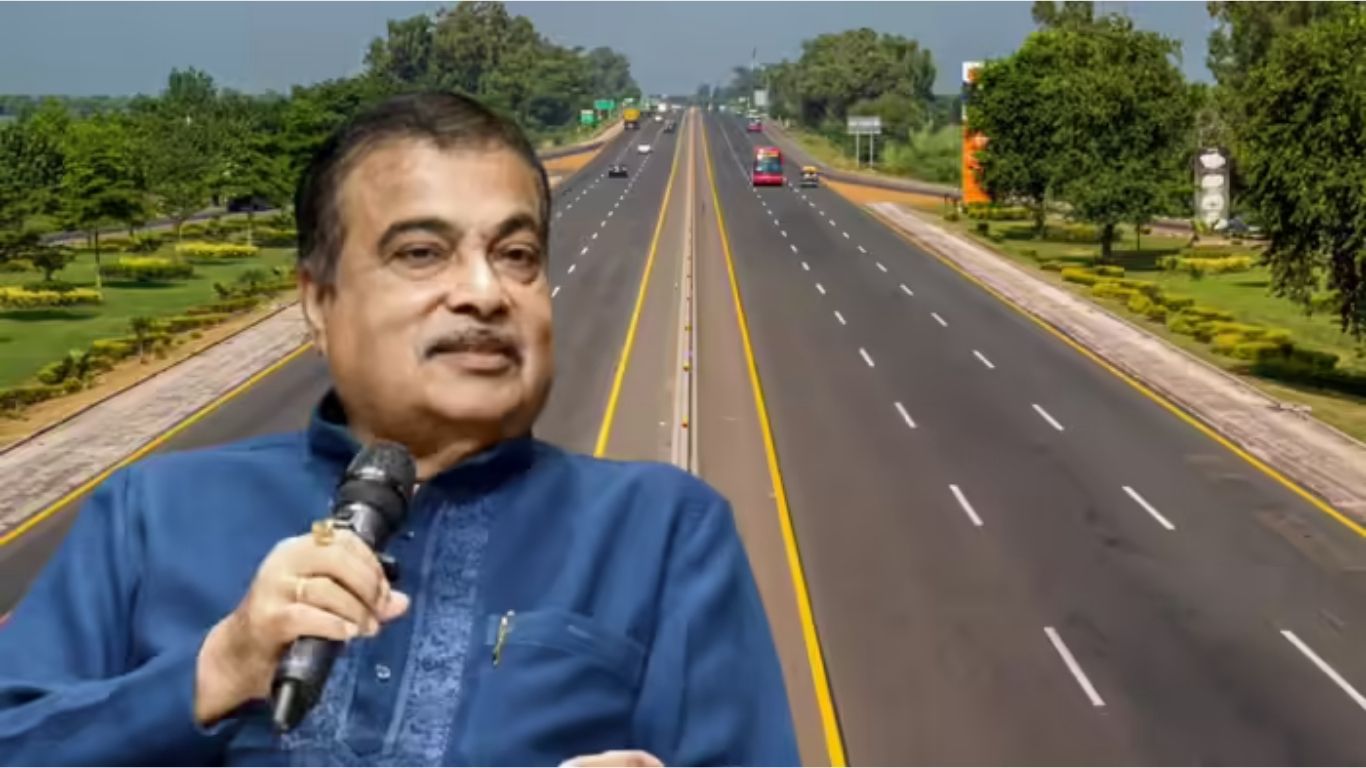
The National Highways Authority of India (NHAI) has created history by setting four Guinness World Records on the Bengaluru–Kadapa–Vijayawada Economic Corridor, showing the world what India can achieve when it sets a clear goal.
Union Minister Nitin Gadkari announced this landmark achievement, calling it a major moment for India’s infrastructure sector.
Record-Breaking Construction in Andhra Pradesh
On January 6, near Puttaparthi in Andhra Pradesh, NHAI achieved two Guinness World Records during the ongoing construction of National Highway-544G.
First Two Guinness World Records
- 28.89 lane-kilometres of bituminous concrete were laid within 24 hours, which equals a 9.63 km stretch with three lanes.
- 10,655 metric tonnes of bituminous concrete were laid in 24 hours, the highest ever recorded globally.
These records were achieved under the six-lane Bengaluru–Kadapa–Vijayawada Economic Corridor project and were the first of their kind in the world.
Two More Records Set Within Days
Building on this momentum, NHAI set two more Guinness World Records on January 11.
यह सिर्फ सड़क नहीं है, यह भारत की क्षमता, गति और संकल्प है।
NHAI ने बेंगलुरु–कडपा–विजयवाड़ा इकोनॉमिक कॉरिडोर पर एक साथ 4 गिनीज वर्ल्ड रिकॉर्ड बनाकर दुनिया को दिखा दिया, जब भारत ठान ले, तो इतिहास रच देता है!
✅ 28.89 लेन-किमी काम (24 घंटे में)
✅ 10,655 MT बिटुमिनस कंक्रीट (24… pic.twitter.com/97GhD6dW3l— BJP (@BJP4India) January 13, 2026
New Global Benchmarks
- 57,500 metric tonnes of bituminous concrete were laid continuously.
- 156 lane-kilometres of road were paved without interruption, covering a 52 km stretch with three lanes.
This effort surpassed the previous world record of 84.4 lane-kilometres.
The records were achieved in Package-2 and Package-3 of the corridor project.
Advanced Technology and Strict Quality Control
These achievements were made possible through advanced planning and modern technology.
NHAI worked with Rajpath Infracon Private Limited and deployed high-end machinery.
Equipment Used
- 70 tipper trucks
- 5 hot mix plants
- 1 paver
- 17 rollers
At the same time, quality was closely monitored.
Institutions such as IIT Bombay and major Original Equipment Manufacturers (OEMs) supervised the process. Thisensured strict adherence to safety and quality standards.
About the Bengaluru–Kadapa–Vijayawada Economic Corridor
The corridor is a 343-kilometre-long, six-lane highway, designed for safe and high-speed travel.
Key Features
- 17 interchanges
- 10 roadside facilities
- 5.3 km long tunnel
- Around 21 km passing through forest areas
The project aims to provide a smooth and scenic travel experience while boosting regional connectivity.
Major Reduction in Travel Time and Distance
Once completed, the corridor will deliver significant economic and logistics benefits.
- Travel distance will reduce from 635 km to 535 km, cutting 100 km.
- Travel time will drop from 12 hours to around 8 hours, saving nearly 4 hours.
As a result, connectivity between Bengaluru and Vijayawada will improve significantly.
It will also strengthen links between the Rayalaseema region, coastal and northern Andhra Pradesh, and the Kopparthy industrial node.
A New Benchmark for Indian Infrastructure
In conclusion, these four Guinness World Records are more than technical achievements.
They reflect India’s growing infrastructure capability, execution speed, and global ambition.
The Bengaluru–Kadapa–Vijayawada Economic Corridor now stands as a powerful example of modern India’s development push.