
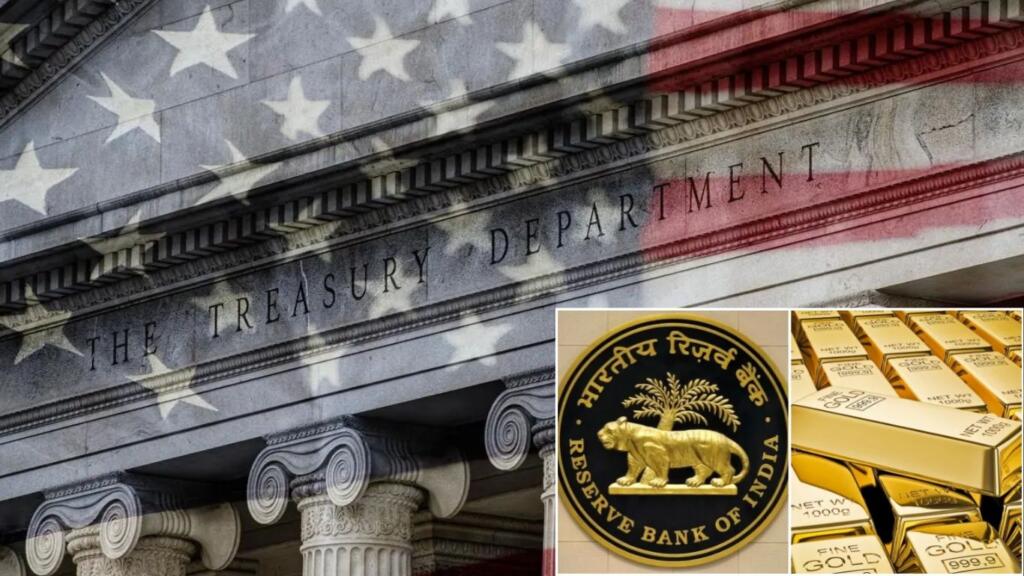
India has reduced its holdings of US government bonds to the lowest level in five years, signaling a clear shift in how the country manages its foreign exchange reserves. The move comes as the Reserve Bank of India (RBI) works to support the rupee and reduce risks linked to heavy exposure to dollar assets.
According to US government data released last week, India’s holdings of long-term US Treasuries fell to about $174 billion. This marks a decline of nearly 26% from the peak reached in 2023. As a result, US Treasuries now make up around one-third of India’s foreign exchange reserves, down from about 40% a year ago, as per RBI data.
The change reflects a broader trend among major economies that now question the long-term safety and reliability of US debt as a reserve asset. Countries such as China and Brazil have also reduced their Treasury exposure, while increasing allocations to gold and other alternatives. Rising geopolitical tensions and aggressive trade policies under US President Donald Trump have added to these concerns.
Currency Pressure and Strategic Concerns
A key reason behind India’s selling of US bonds lies in the pressure on the rupee. The currency has fallen to record lows in recent months amid delays in a US-India trade deal and Washington’s decision to impose tariffs of up to 50% on Indian exports. To manage the situation, the RBI has sold dollar assets, including Treasuries, and used the proceeds to buy rupees from the market.
This approach allows the central bank to stabilize the currency without sharply tightening domestic monetary policy. Market analysts say the strategy reflects a practical response to short-term currency stress as well as longer-term strategic thinking.
Another factor shaping India’s decision involves sanctions risk. After the US froze Russia’s foreign exchange reserves following the invasion of Ukraine in 2022, many countries reassessed the safety of holding large dollar-based assets. India’s continued purchase of Russian oil later created friction with Washington and contributed to trade tensions under the Trump administration.
Economists argue that these developments jolted policymakers in New Delhi. They now seek to reduce vulnerabilities that come with overreliance on US-controlled financial instruments.
Gold Gains Ground in India’s Reserves
As India cuts back on Treasuries, gold has taken a larger role in its reserve strategy. The RBI has stepped up gold purchases, aligning with a global trend among central banks. China has increased its bullion holdings, while Poland recently approved plans to buy another 150 tonnes of gold, making it the world’s largest reported buyer.
Gold appeals to central banks because it carries no sanctions risk and does not depend on any single country’s political decisions. For India, gold also offers a hedge against global financial instability and currency volatility.
Despite the recent selling, India remains a relatively small holder of US Treasuries compared to Japan and China. Foreign ownership of US debt also remains near record highs. Still, India’s actions add momentum to a growing debate about the future role of US sovereign bonds in global reserves.
Experts say the pace of selling could slow if the rupee stabilizes or if India and the US finalize a trade agreement. Even then, analysts do not expect India to return to aggressive Treasury buying. Instead, the country appears set on a more balanced reserve strategy, with gold and other assets playing a larger role in the years ahead.