
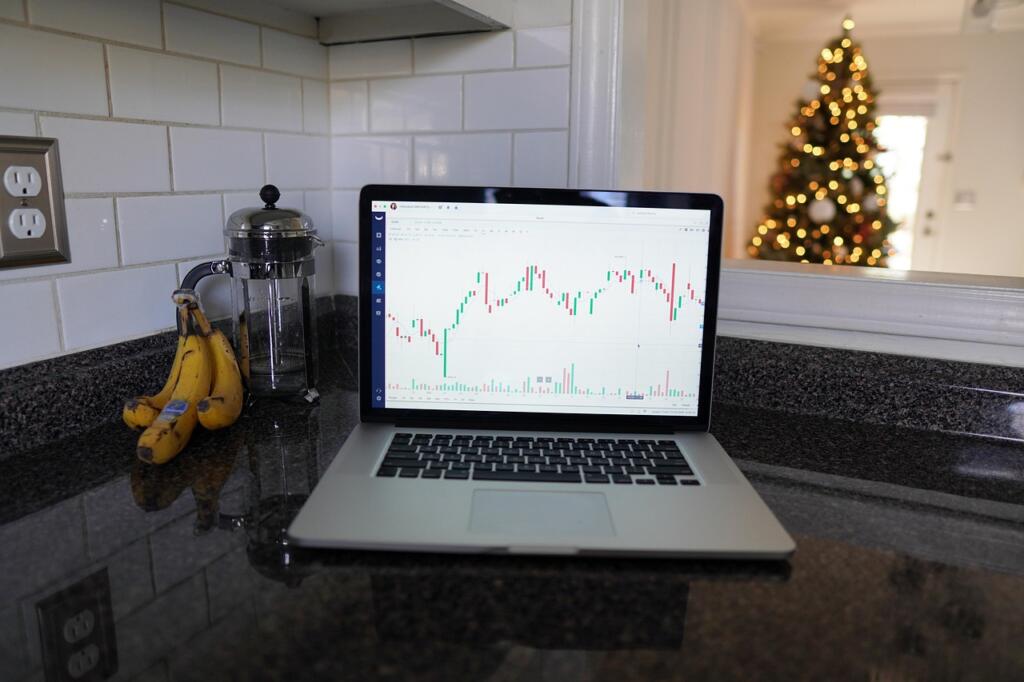
Market volatility is simply the market moving faster or more unpredictably than usual, but when you’re the one holding the portfolio, it rarely feels simple. Sharp swings can erode confidence and unsettle long-term plans, especially when multiple asset classes react at once. That’s where disciplined risk management comes in.
Wealth managers specialise in keeping portfolios steady when markets behave erratically. They help investors avoid reactionary decisions, protect capital, and position funds in a way that keeps long-term growth intact even when the short term feels unstable. In periods of turmoil, their role becomes less about chasing returns and more about ensuring the portfolio survives the storm.
This is how a wealth manager or a wealth management app can help you out.
Understanding Market Volatility and Its Sources
Volatility can spike for all kinds of reasons. Sometimes, it’s economic cycles shifting gears; at other times, geopolitical tensions or sudden policy changes send markets swinging. Even strong economic data can stir uncertainty if it changes interest rate expectations. When prices move rapidly, investors find it harder to understand what’s noise and what’s meaningful, which naturally increases stress. This uncertainty is also why emotional reactions tend to rise during volatile phases. Wealth managers help filter out that noise and anchor decisions in logic rather than fear, making it easier to stay invested without panic.
Core Risk Management Strategies Used by Wealth Managers
When markets start swinging unpredictably, it’s easy for investors to feel like they’re sitting on a moving boat without an anchor. A good wealth manager or a wealth management app steps in precisely at this point. Their job isn’t just to grow your money but to protect it from sudden shocks. They rely on structured, time-tested risk management strategies that keep portfolios stable even when the market feels restless.
From spreading investments across different asset classes to making careful tactical shifts when conditions change, these experts focus on reducing unnecessary exposure while preserving long-term potential. Their approach blends research, discipline, and constant monitoring, helping you stay invested with confidence instead of reacting emotionally to every market twist.
Here’s how they operate:
1. Diversification Across and Within Asset Classes
A well-spread portfolio cushions shocks. Wealth managers diversify not only by mixing equities, bonds, real estate, and global markets, but also by spreading risk within each category. The idea is to ensure no single event or sector can disrupt the entire portfolio. Proper diversification turns sudden market swings into manageable bumps rather than full-blown crises.
2. Tactical Asset Allocation and Adjustments
When markets shift quickly, wealth managers may adjust weightings to protect gains or reduce exposure. These aren’t emotional reactions but measured responses based on data and trends. Sometimes the shift is small, trimming an overheated sector or adding to a defensive one, but even minor tweaks can improve resilience without abandoning long-term strategy.
3. Consistent Investment Strategies
Sticking to structured investment habits helps reduce risk. Dollar-cost averaging smooths out purchase prices over time, particularly during volatile periods. Wealth managers also discourage impulsive decisions, reminding clients that reacting to every market move rarely ends well. Consistency is often more powerful than perfectly timed trades.
4. Hedging and Protective Techniques
When volatility becomes intense, wealth managers may use additional tools like stop-loss levels, options strategies, or alternative assets to reduce potential losses. These aren’t used for every client or every situation, but they can help cap downside risk when markets turn unpredictable. The key is applying these techniques cautiously rather than treating them as shortcuts.
5. Fundamental Analysis and Research Integration
Behind every allocation decision is continuous research. Wealth managers track economic indicators, earnings trends, sector health, and broader sentiment shifts. This real-time insight allows them to anticipate risks, reposition portfolios early, and avoid vulnerabilities that only become obvious in hindsight.
6. Tax Efficiency and Cash Flow Management
During volatile periods, preserving capital matters. Tax-loss harvesting, managing liquidity, and optimising cash deployment can make a significant difference. With enough liquidity on hand, wealth managers can take advantage of opportunities that appear during downturns without forcing untimely sales.
7. Communication and Emotional Management
A major part of wealth management is reassuring clients with clear communication. By setting realistic expectations and translating complex market events into simple explanations, wealth managers help clients stay committed to long-term goals instead of reacting impulsively. Calm guidance often prevents more wealth loss than any single strategy.
Case Examples or Scenarios
Consider a period of aggressive interest rate hikes. While markets panicked, wealth managers adjusted exposure to rate-sensitive sectors, increased defensive holdings, and used short-duration bonds to reduce volatility. In another instance, geopolitical tensions pushed markets down sharply.
Managers responded by temporarily raising cash positions, hedging currency exposures, and reinforcing global diversification. In both cases, portfolios weathered the turmoil better than unmanaged ones because decisions were proactive, not emotional.
Conclusion: The Value of Professional Risk Management
Market volatility is unavoidable, but its impact doesn’t have to be damaging. Wealth managers safeguard portfolios through diversification, timely adjustments, research-driven decisions, and clear communication. Their structured approach helps investors stay focused on long-term goals rather than daily fluctuations. With a reliable wealth management app or advisor guiding these decisions, navigating unpredictable markets becomes far less stressful. For anyone feeling overwhelmed by volatility, professional support can make all the difference between reacting emotionally and investing wisely.