















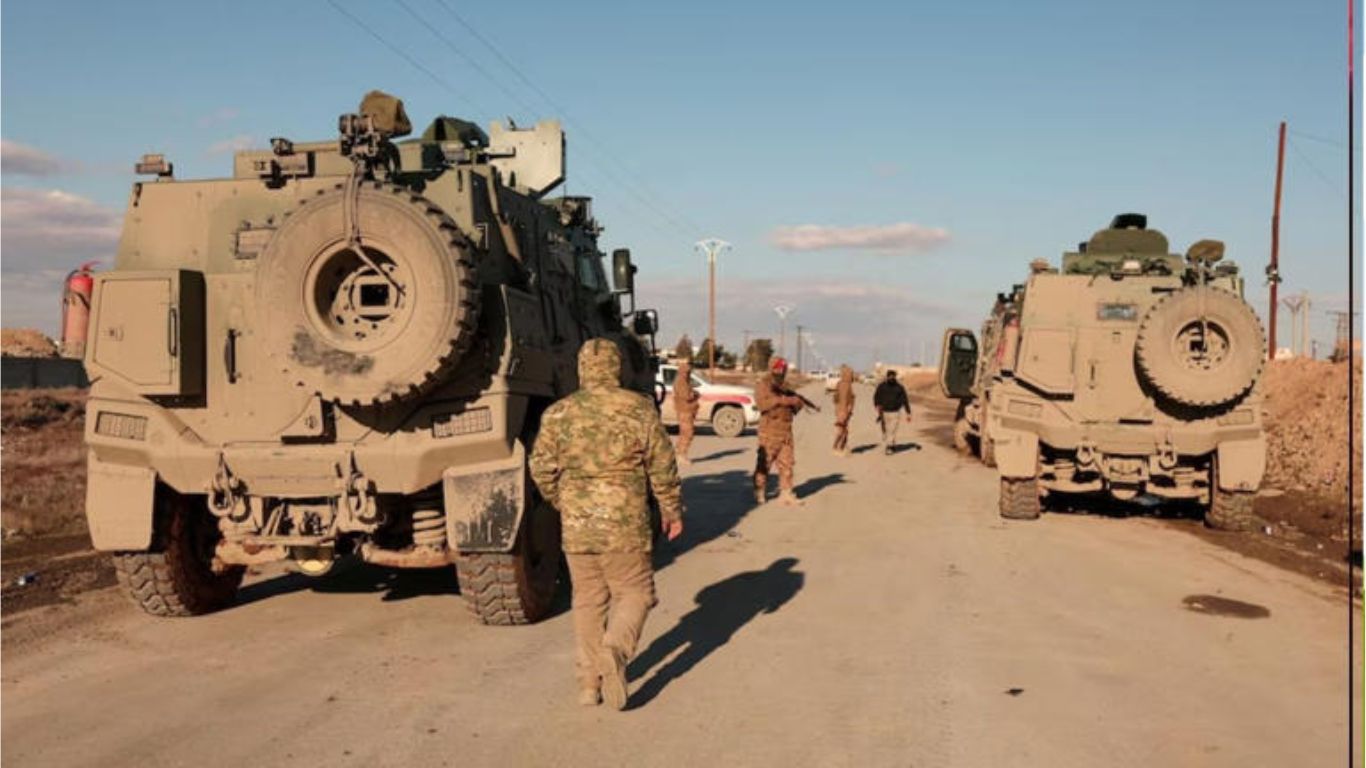
Syria has announced a four-day ceasefire with the Kurdish-led Syrian Democratic Forces (SDF) after government troops rapidly advanced into large parts of northeast Syria. Damascus has given the SDF an ultimatum: agree to integrate into the central Syrian state or face further military action.
The ceasefire began on Tuesday evening. Under the plan, the SDF must submit a framework for integrating its fighters and administration into the Syrian defence structure, including nominating a Kurdish figure as assistant defence minister. The Syrian government has said it will not enter the key cities of Hasakah and Qamishli during this period.
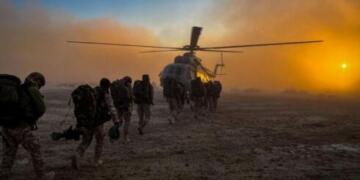
This marks the biggest shift in territorial control since rebels ousted Bashar al-Assad 13 months ago. Government forces have already moved into areas vacated by the SDF in Raqqa, Deir al-Zor, and parts of Hasakah province.
Did the US Betray the Kurdish Fighters?
For nearly a decade, the United States relied on the SDF as its main local partner to defeat Islamic State (IS). The SDF, led by Kurdish fighters, bore the brunt of ground fighting while the US provided air power and weapons.
That relationship is now fading fast.
US envoy Tom Barrack said the original purpose of the SDF had “largely expired” and described integration into the Syrian state as the Kurds’ “greatest opportunity.” President Donald Trump echoed this line, saying the US has no long-term interest in staying in Syria and backs President Ahmed al-Sharaa’s efforts to stabilize the country.
This shift has left the SDF exposed. Al-Sharaa, now Syria’s president, once led a jihadist group linked to al-Qaeda. His forces fought both IS and Kurdish militias in the past. The irony is sharp: the SDF, which defeated IS with US support, is now being pushed into an arrangement overseen by a leader from Syria’s Islamist rebel camp.
Washington says it is “trying to protect the Kurds,” but in practice it is urging them to accept Damascus’ terms.
Will integration really work?
On paper, the deal promises citizenship rights, cultural protections, and political participation for Kurds. In reality, many doubt it will hold.
Syrian society remains deeply fractured after years of war. Kurds have long faced discrimination from Arab-dominated governments in Damascus. There is real fear that once the SDF dissolves, Kurdish fighters and civilians could be targeted through arrests, forced conscription, or local repression.
Trust is low. Integration requires strong guarantees and enforcement, which Syria’s weak institutions may not deliver.
The Largest Ethnic Group Without a Homeland
The Kurds are the largest ethnic group in the world without a state of their own. Around 30–35 million Kurds live spread across four countries: Turkey, Syria, Iraq, and Iran. In each, they have faced varying degrees of repression.
In Syria, the war allowed Kurds to build limited self-rule in the northeast. The SDF became both a military force and a political shield. Losing that autonomy could push Syrian Kurds back into decades of marginalization.
Tensions rose after months of deadlock over the SDF’s future. Damascus demanded the group dissolve into the defence ministry. The SDF resisted, fearing loss of autonomy and security.
Fighting broke out earlier this month. Government troops advanced as the SDF withdrew from Arab-majority areas. Talks between SDF commander Mazloum Abdi and President al-Sharaa were tense, despite a reported 14-point agreement.
The next four days may decide whether northeast Syria moves toward uneasy integration or another cycle of conflict.