
























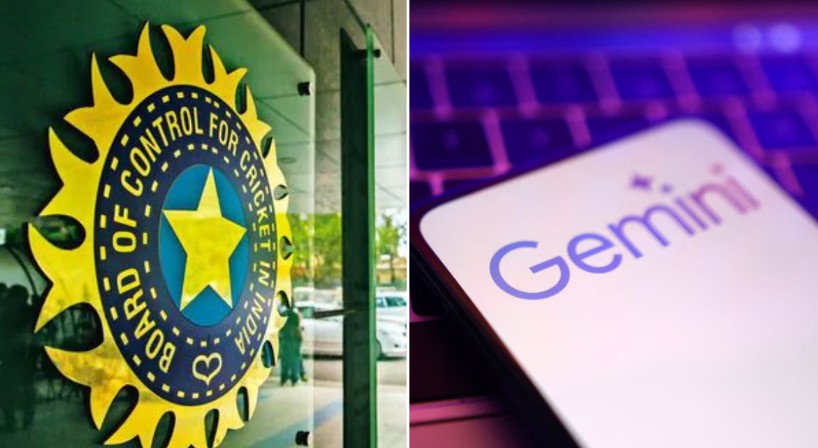
The Indian Premier League (IPL), which operates under the aegis of the Board of Control for Cricket in India (BCCI), has signed a new partnership deal with AI major Google Gemini. The deal will commence from IPL 2026 onwards and will end after IPL 2028, a three-year period, and is worth Rs 270 crore.
Gemini’s foray into Indian cricket sponsorship comes on the heels of its rival, ChatGPT, entering the cricketing ecosystem through a partnership with the Women’s Premier League (WPL). ChatGPT became a sponsor of the WPL late last year under a two-year deal worth Rs 17 crore.
The deal underscores a growing push by artificial intelligence platforms into Indian cricket sponsorships, particularly at a time when the ban on real-money gaming apps has created a significant vacuum in the advertising market. The ban, which came into effect last year, wiped out nearly Rs 7,000 crore in advertising spends.
While AI platforms are expected to spend around Rs 300 crore on advertising and cricket sponsorships this year to build brand awareness, the figure remains only a fraction of what real-money and fantasy gaming companies were previously investing.
The shift follows the introduction of the Promotion and Regulation of Online Gaming Bill, 2025, which aims to ban real-money online gaming and also prohibits such companies from advertising. As a result, Dream11 and other fantasy gaming firms exited their sponsorship arrangements with Indian cricket.
In the aftermath, Apollo Tyres was named the sponsor of Team India. The partnership with Gemini is seen as part of the BCCI’s efforts to mitigate revenue losses caused by the exit of fantasy gaming companies, while also aligning with emerging technologies shaping the future.
“BCCI and Dream 11 are discontinuing their relationship after the Promotion and Regulation of Online Gaming Bill, 2025, was passed. BCCI will ensure not to indulge with any such organisations ahead in future,” BCCI secretary Devajit Saikia told news agency ANI.
The increasing presence of AI companies in cricket sponsorships signals a broader shift in the sports marketing landscape, as brands rooted in future-facing technologies step in to fill the void left by gaming platforms.





