
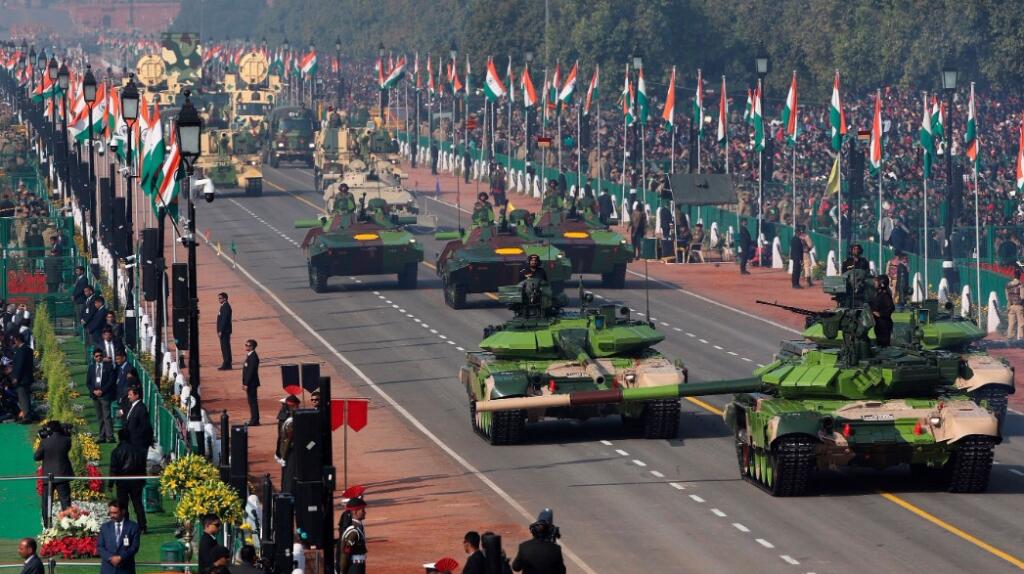
Ahead of Republic Day, the national capital and several other cities have been placed on high alert following intelligence inputs warning of possible terror threats.
According to sources cited by ANI, intelligence agencies have cautioned that Khalistani terrorist groups and Bangladesh-based outfits may attempt attacks in the run-up to January 26.
The alert indicates a growing nexus between Punjab-based gangsters and radical handlers operating from abroad. These handlers are allegedly exploiting local criminal networks as foot soldiers to advance their agendas and destabilise internal security.
Inputs suggest such gangsters are active across Haryana, Delhi-NCR, Uttar Pradesh and Rajasthan, and are gradually forging operational links with Khalistani terrorist elements.
Why Security is Heightened
Security has been stepped up as Republic Day is a high-visibility national event involving large public gatherings, ceremonial parades and the presence of top constitutional authorities. Any incident during this period carries symbolic value and the potential for widespread disruption.
The latest alert follows a series of incidents that have raised concerns among security agencies. These include a recent low-intensity blast reported in the vicinity of the Red Fort in Delhi.
It also includes recovery of explosive materials and suspicious devices in different parts of north India, and continued inputs about cross-border coordination between extremist handlers and local criminal gangs.
Authorities have also flagged the increasing use of gang networks for logistics, reconnaissance and targeted attacks, allowing terror groups to operate below the radar.
In addition, agencies have been monitoring drone-based smuggling of arms and explosives along the Punjab border, targeted attacks on police establishments in the past, and online propaganda aimed at radicalising youth.
Taken together, these developments prompted intelligence agencies to advise heightened vigilance, increased checking and tighter security arrangements across sensitive locations ahead of January 26.
Inside the Intelligence Alert
The intelligence inputs referred to in the alert are based on a combination of human intelligence (HUMINT), technical surveillance, and monitoring of communications and financial trails linked to extremist networks.
Such inputs typically emerge from intercepted communications between handlers based abroad and their contacts in India, tracking of suspicious movements, recovery of arms or explosives, and interrogation of arrested operatives or gang members.
According to agencies, the key concern is the evolving modus operandi of Khalistani and other radical outfits, which increasingly rely on local criminal gangs to execute their plans.
By using gangsters as intermediaries or foot soldiers, terror groups are able to mask ideological motivations, making planned attacks appear like routine criminal activity. This significantly complicates detection and prevention efforts.