
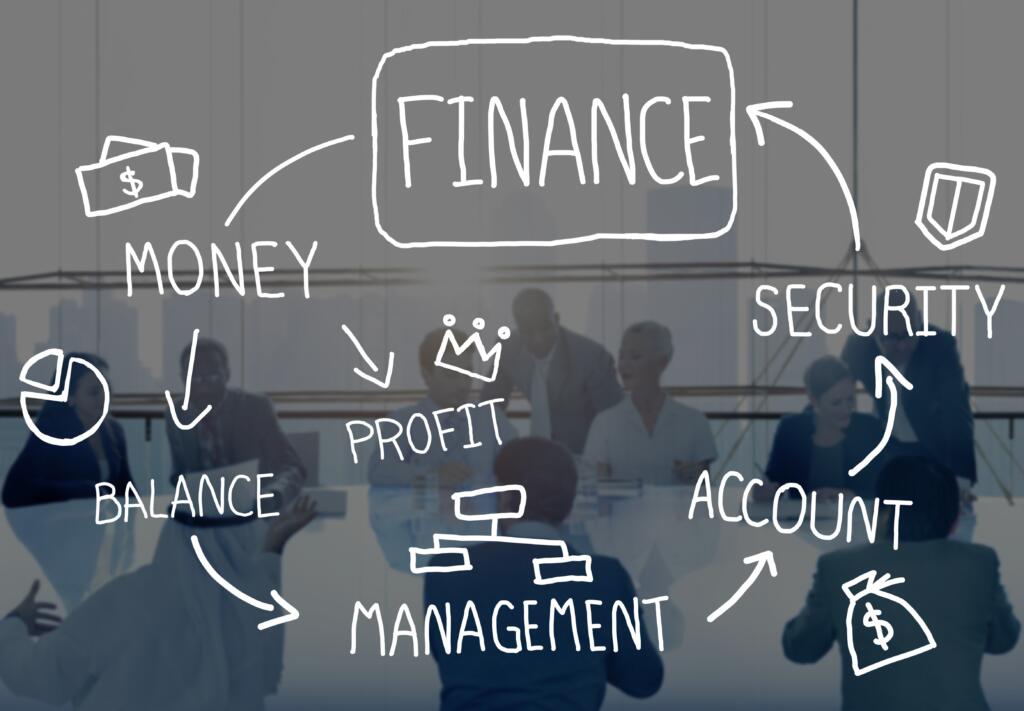
Every organization, whether it is a small homegrown business or a large multinational company, depends on one crucial ability. The ability to plan, use, monitor and optimize money. This continuous movement of planning, allocating and reviewing funds is known as the financial management cycle. It is the heartbeat of a business and often determines whether a company grows with confidence or struggles with uncertainty.
Many professionals learn this structured approach through a Financial Management course or a PG diploma in financial management. But at its core, the cycle is something we see even in our everyday lives. Think of a family planning its yearly expenses. At the start of the year, they estimate their income, plan school fees, grocery costs, travel plans and savings. As the year unfolds, they adjust their spending, keep track of their bills, evaluate whether they are sticking to their plans and finally assess what worked and what did not. This simple pattern reflects the same cycle followed by organizations, only on a larger and more structured scale.
In this article, let us explore what the financial management cycle means, why it matters and how it works in practical situations.
What is the Financial Management Cycle?
The financial management cycle is a series of stages which guarantees that an entity utilizes its money in the best way. The process assists businesses to decide wisely, handle risks, raise their efficiency and plan for sustainable growth. The cycle is not a single event but a continuous one that gives companies the opportunity to fix errors, adjust to the changing market and keep their financial status in good shape.
All companies perform this cycle at any time, be it during the establishment of budgets, the management of daily expenses or the evaluation of financial results.
Major Stages of the Financial Management Cycle
- Planning and Forecasting
This is the starting point of the entire cycle. In this stage, leaders make realistic financial plans and predictions about future performance.
It includes activities such as
- Understanding expected revenue
- Estimating expenses
- Setting financial goals
- Preparing budgets for departments
Real life example:
Imagine a retail store planning for the upcoming festival season. The management looks at last year’s sales, upcoming trends and customer preferences. Based on these insights, they prepare a budget for inventory, marketing and staffing. They are not simply guessing but making informed assumptions to reduce surprises in the future.
This stage forms the foundation for all financial decisions that follow.
- Allocating and Distributing Funds
Once the plan is ready, the next step is to assign money to different activities and teams.
This includes
- Allocating funds for operations
- Funding new projects
- Managing cash flow
- Ensuring that money is available when needed
Real life example:
A company launching a new product may need to allocate funds for research, packaging, advertising and training teams. If they allocate too little, the launch may fail. If they allocate too much, they may strain their cash reserves. Good allocation requires balance and strategic thinking.
- Implementing the Financial Plan
At this stage, the organization begins using the allocated funds to execute its plans.
This often includes
- Making purchases
- Paying vendors
- Hiring staff
- Running marketing campaigns
- Managing day to day operations
Real life example:
Think of an event management firm preparing for a corporate event. Once funds are approved, the team books venues, pays caterers, purchases materials and manages travel. The implementation stage turns the plan into action, and every financial move must align with the budget.
- Monitoring and Controlling Finances
After execution begins, the organisation needs to monitor its spending and ensure everything stays on track.
It involves
- Tracking expenses regularly
- Identifying overspending or delays
- Comparing the budget with actual costs
- Making corrections when needed
Real life example:
A construction company on a lengthy project is required to track expenses on a weekly basis. In case the price of materials goes up abruptly, the finance team should modify the budget or contact the supplier to get a better rate. Keeping track of expenses avoids unexpected financial situations and gives the company the opportunity to intervene when issues are still small.
This step is aimed at safeguarding the business’s financial health.
5. Evaluating and Reviewing Financial Performance
After the initial round of the cycle, the management should revisit the events and acquire knowledge from them. This comprises:
- Evaluation of the overall budget implementation
- Locating the strengths and the weak points
- Finding out if targets were reached
- Committing to memory the errors made
- Geared up for the subsequent planning cycle
Real life example:
Following a fruitful digital marketing campaign, the team members call a meeting to review the outcomes. They scrutinize the strategies that yielded the highest return and those that failed. The revelations solidly equip them in the planning of subsequent campaigns and in overcoming the challenges that they may encounter.
This assessment phase is the last one in the cycle and equips the organisation with the necessary tools for the forthcoming cycle.
Why the Financial Management Cycle Matters
The financial management cycle is significant as it brings into play certain qualities such as discipline, clarity and structure with regard to money inflows in an organization. The absence of this cycle may lead to reckless spending by businesses, needless investments, or the failure to detect financial problems at an early stage.
The major advantages entail:
- More effective decision making
- Better cash flow control
- Greater performance transparency
- More accurate budgeting
- Being prepared for the unexpected
- Financial sustainability in the long run
This cycle denotes a line of communication with the customers that never stops. Through such a channel, businesses are enabled to grow slowly and control their risks.
How People Get Advantage from Knowing This Cycle?
The management cycle of business finances is not just for Finance professionals. Anyone who works in operations, marketing, HR, or strategy may get a benefit from knowing how money moves through a business.
Many workforce members opt for a Financial Management course or a PG diploma in financial management to acquire more profound knowledge of this cycle. These programs typically involve real-world projects, simulations, and case studies to familiarize the learners with the concepts of planning, controlling, and reviewing finances as a tool for business performance improvement.
Comprehension of this cycle deepens one’s leadership capacity and makes one more courageous when dealing with budgets, evaluating projects, and facilitating strategic decisions.
Conclusion
The financial management cycle is an organized and ongoing trip that, through planning, using, and evaluating money, helps the organization become financially stable. It provides clarity, lessens the feeling of uncertainty, and acts as a compass pointing towards growth that is viable in the long run. Just like households plan their monthly expenditures or students plan their study schedules, businesses use this cycle to keep them disciplined and accountable with their resources.
For the professionals who aspire to make a significant contribution to business decisions, grasping this cycle could be a great leverage. A Financial Management course or a PG diploma in financial management can widen your knowledge and equip you with the skills to carry out these tasks confidently in real organizations.
With this cycle at their fingertips, both individuals and businesses will be in a position to make wise choices, improve their risk management, and lay the groundwork for a financially viable future.