









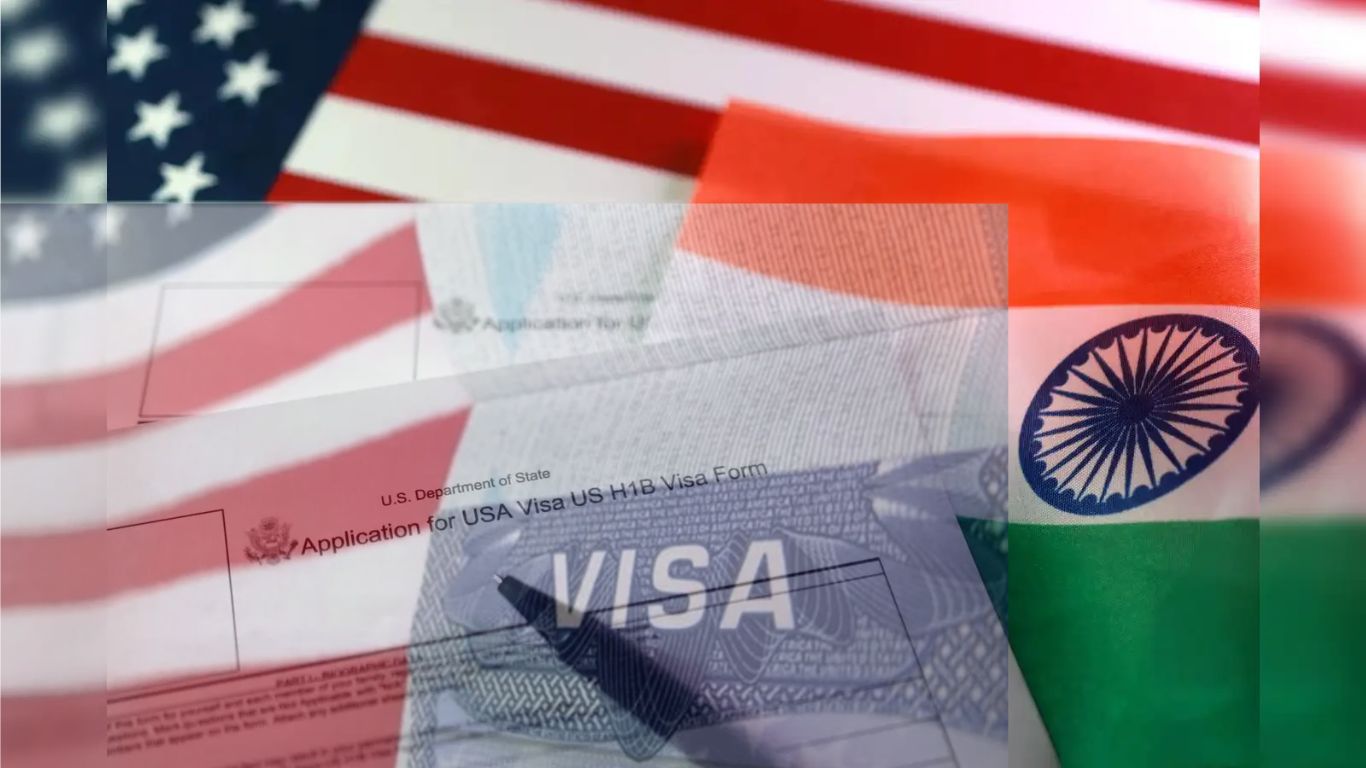
A new rule announced by the US State Department has created widespread concern across India, particularly among professionals and families linked to the H-1B visa system. Under the policy, all H-1B applicants and holders, as well as their H-4 dependents, must make their social media accounts fully public for visa vetting. This requirement will apply to both fresh applications and renewals from December 15.
Since Indians form the backbone of the US high-skilled visa workforce, the impact on India has been immediate and powerful. Indians account for over 70% of H-1B approvals and nearly 90% of H-4 Employment Authorization Document (EAD) holders. Consequently, the rule has triggered uncertainty among thousands of Indian families whose careers, finances, and education plans depend on uninterrupted US visa status.
Social Media Rule Triggers Anxiety Among Indian Professionals
As a result, anxiety within India’s tech and services ecosystem is growing. Many Indian professionals working with US-based firms have begun reviewing their online presence. Meanwhile, IT companies with large offshore and onsite teams are advising employees to clean up social media profiles, avoid political commentary, and present a strictly professional digital footprint. In several cases, employees have been asked to reassess years of online activity to prevent any misinterpretation during vetting.
At the same time, visa processing disruptions have begun to affect mobility between India and the US. According to reports, interview appointments at US consulates in Hyderabad and Chennai have been abruptly cancelled. Many applicants discovered that their December interview slots had been postponed to March 2026. As a consequence, new job offers are being delayed, families are separated across borders, and professionals who travelled to India for short personal visits now find themselves unable to return.
The US State Department has defended the decision by stating that the policy expands existing online checks already applied to student and exchange visas. According to the Department, “Every visa adjudication is a national security decision.” Therefore, applicants are now required to set all social media accounts to public so that visa officers can examine them fully. The guidance also stresses that a US visa is “a privilege, not a right.”
Meanwhile, the US Embassy in India has issued a public advisory to prevent confusion. It has warned applicants not to appear on previously scheduled interview dates if they have received rescheduling emails. Otherwise, they will be denied entry at the embassy or consulate gates. This advisory comes as visa wait times in India are already stretching for months due to demand.
Mission India confirms what we have been hearing. They have cancelled a number of appointments in the coming weeks and rescheduled them for March to allow for the social media vetting. https://t.co/gjsIDxmPOX
— Steven Brown (@AttyStevenBrown) December 9, 2025
Visa Delays and Cancellations Disrupt Careers and Families in India
Immigration lawyers say the disruptions are widespread and not limited to a few cities. According to attorney Steven Brown, Indian missions have cancelled multiple appointments in the coming weeks and pushed them to March specifically to allow time for enhanced social media screening.
Overall, the new rule is not just a bureaucratic change for Indians. Instead, it has become a source of professional uncertainty, emotional stress, and logistical disruption across India’s globally connected workforce.
Also read: US Visa Rule: Applicants Must Disclose Social Media Handles Now
Implications for the US
It will also affect American companies and businesses as Indians were the ones who were putting their talent and efforts to make American companies grow. The sudden and abrupt decision to halt the visa will create a long-term talent vacuum in the US market. Currently, the Trump administration is unable to see the repercussions of its election promises, but time will tell the American people that the policy was a failure.
On average, Americans are neither aspirational nor very talented to take up the Indian businesses. America is not built by Americans; rather, it is built by the non-Americans who went to America and uplifted the nation and became a part of it.