





















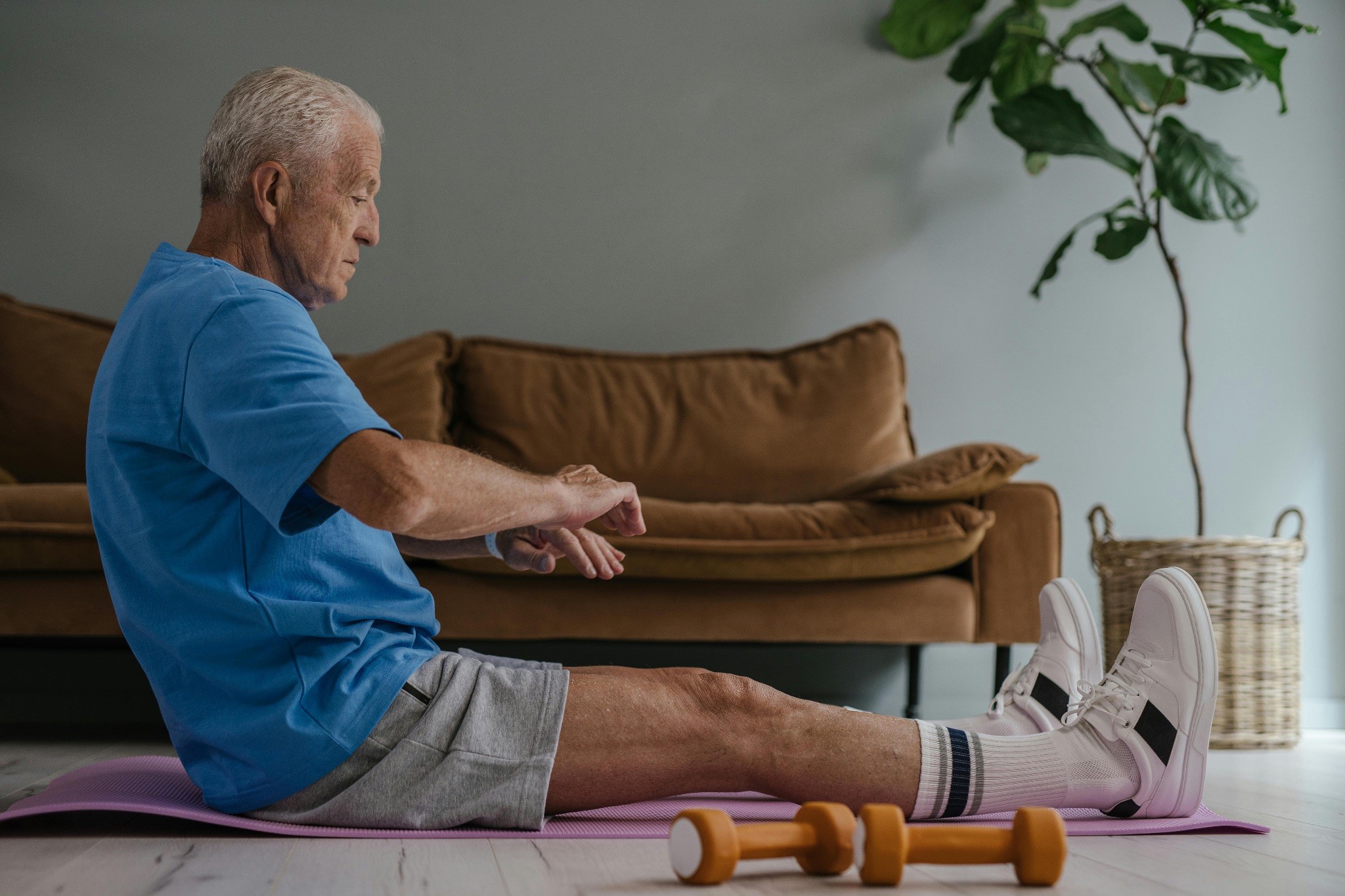
There is a quiet pride that comes with doing things your own way. Making your own tea. Choosing when to leave the house. Deciding how your day unfolds. As you get older, that sense of independence can feel more fragile, or at least more intentional than it used to be. It does not disappear overnight. It shifts. Sometimes it needs a little care.
Maintaining independence is not about pretending you never need help. It is more about staying involved in your own life in ways that still feel true to you.
What Independence Really Means
Independence does not have to mean doing everything alone. That idea can be heavy, and honestly, a bit unrealistic. It can simply mean staying in charge of your choices. Picking what matters. Letting go of what does not.
Some days independence looks like cooking a full meal. Other days it looks like knowing when to order in, and being comfortable with that. Those small decisions count. They still shape your sense of self. There is nothing weak about adjusting.
Aging has a way of asking you to be flexible. Not in a dramatic way. More subtle than that. What worked ten years ago may need to be tweaked now. That does not mean you are losing yourself.
Creating Routines That Work With You
Routines can sound boring, but they are often what keep independence steady. Simple rhythms to the day. Morning light. A walk. A regular phone call with a friend. A habit of doing one thing just because you enjoy it.
These routines help reduce the mental load of decision making. They create a gentle structure that supports you rather than restricts you. If something starts to feel tiring, it is okay to change it. Routines are meant to serve you, not the other way around.
Letting Safety Add Confidence, Not Fear
Safety is one topic many people avoid because it feels like giving something up. But the strange thing is that the right safety measures often give you more freedom, not less. When you know help is available, you tend to move through the world with less anxiety.
For some people, having something like a life life alert in place offers reassurance without disrupting daily life. It is not about expecting the worst. It is about knowing that if something unexpected happens, you are not alone. That knowledge can quietly support independence instead of threatening it.
Staying Connected Without Losing Yourself
Independence does not mean isolation. In fact, staying connected often makes independence last longer. Regular conversations. Shared laughs. Even moments of complaining together. These keep you grounded.
It is possible to accept support while still feeling like your own person. The balance takes practice. Sometimes it feels awkward. But relationships built on respect tend to figure it out over time.
Moving Forward, One Choice at a Time
Maintaining independence as you age is not a single decision. It is a series of small, ongoing choices. Some confident. Some uncertain. Some that you revisit later and adjust.
There is no perfect way to do it. And that is fine. Independence is personal. It changes shape as you do. What matters most is staying engaged with your own life, in ways that still feel like yours. Even if that looks a little different than it used to.