














Hindu girl students in Pakistan’s Sindh province claimed they were pressured to convert to Islam in order to continue their education, prompting the provincial government to launch a formal inquiry.
As per reports, the girls were allegedly been told to convert to Islam to continue their studies, prompting the Government to order an inquiry, an official said on Friday.
The controversy began in late November when parents of Hindu girls studying at the Government High School in Mirpur Sakro told the media that the school’s headmistress had allegedly asked their children to embrace Islam to remain enrolled.
The parents said the girls were being forced to recite the Kalma and mocked for practising their own faith. They further alleged that some students were sent home after refusing to convert or recite the Kalma.
The allegations sparked outrage, leading Minister of State for Religious Affairs Kheeso Mal Kheal Das to inform the Senate on Thursday that the provincial education minister had ordered an investigation into the matter.
A spokesperson for Sindh Minister for Education Syed Sardar Ali Shah confirmed that a committee had been constituted to visit Mirpur Sakro and determine the facts.
“The committee members have already recorded statements from the affected students, their parents, the headmistress, and other teachers,” he said on Friday. He added that no one is permitted to use coercion or threats to force conversion.
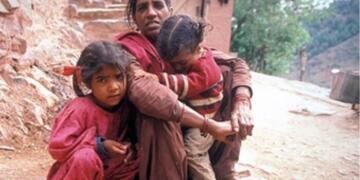
Sindh, home to Pakistan’s largest Hindu population—many from lower-income Dalit communities—has long grappled with cases involving the abduction and forced conversion of minority girls.
Human rights groups estimate that more than 1,000 minority girls are forcibly converted each year in Pakistan, the vast majority from Sindh’s Hindu community.
Many are abducted, converted under duress, and married to significantly older Muslim men, with families citing pressure, poverty and threats as driving factors.
Pakistan’s lack of stringent federal legislation against forced conversions has drawn increasing international scrutiny, with rights organisations urging the government to implement stronger protections for vulnerable minorities.





