
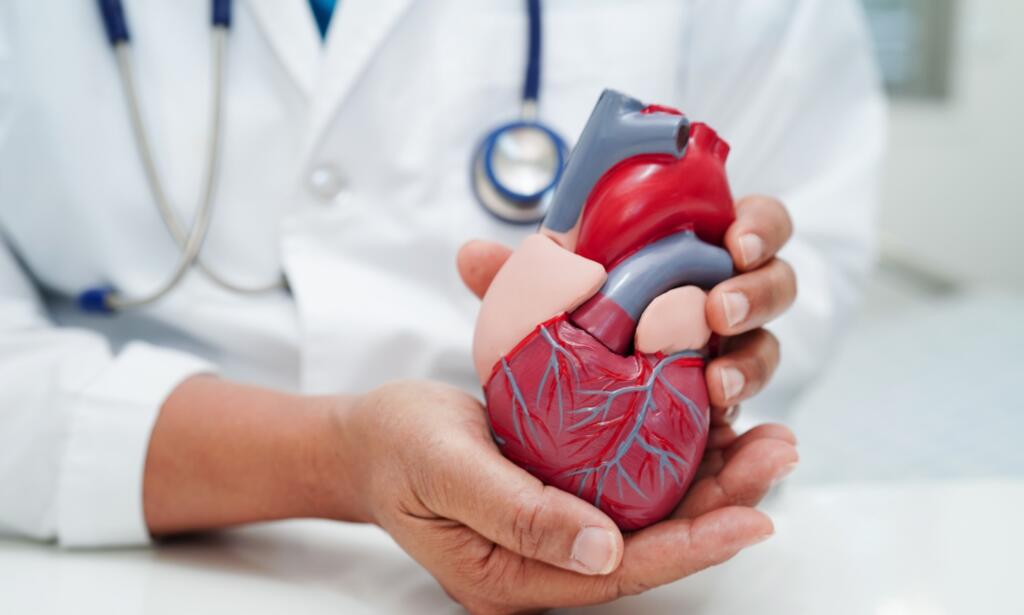
Heart surgery is often a life-changing step, taken to restore health and improve quality of life. Whether it’s planned or advised after a cardiac emergency, the experience can bring understandable concern for patients and their families. With skilled specialists, advanced technology, and the proper post-surgical care, recovery becomes smoother and outcomes more reassuring.
Choosing a heart surgery hospital in Delhi gives patients access to advanced infrastructure, experienced cardiac surgeons, and dedicated care teams trained to handle complex cardiac conditions. These hospitals focus on precision, patient safety, and long-term recovery, ensuring every individual receives comprehensive support throughout their treatment journey.
Understanding what happens before, during, and after heart surgery helps patients prepare better, make informed decisions, and approach the procedure with greater confidence.
Understanding Heart Surgery
Heart surgery is a medical procedure performed to treat various cardiac conditions that affect the heart’s structure or function. These may include blocked arteries, valve defects, congenital abnormalities, or damage to the heart muscles.
Many cardiac procedures are performed as open-heart surgery, where the chest wall is opened to provide direct access to the heart. However, some treatments, such as certain valve repairs or stent placements, can be performed using minimally invasive techniques that do not require fully opening the chest.
Depending on the nature of your condition and overall health, your cardiac surgeon may recommend minimally invasive surgery, off-pump bypass surgery, or open-heart surgery. The choice of procedure is made after a thorough evaluation to ensure the most appropriate and safe treatment for each patient.
Types of Open-Heart Surgery
There are two main techniques commonly used by cardiac surgeons when performing open-heart procedures.:
- On-Pump Surgery
In this method, a heart-lung bypass machine takes over the function of your heart and lungs, circulating blood throughout the body while the surgeon operates on a still heart. Once the surgery is completed, the heart is gently restarted, and the machine is disconnected. - Off-Pump Surgery
Also known as beating-heart surgery, this technique allows the surgeon to perform the operation while the heart continues to beat. It is most often used for coronary artery bypass grafting (CABG) and helps reduce certain risks associated with stopping the heart.
Each approach has its own advantages, and your surgeon will recommend the most appropriate technique based on condition, overall health, and surgical requirements.
When Heart Surgery is Needed?
Heart surgery is usually recommended for individuals diagnosed with severe cardiac conditions such as coronary artery disease, valve disorders, heart rhythm problems, or congenital defects. It is often advised when other treatments, such as medication or lifestyle modifications, are no longer effective in managing the condition. Some common reasons for surgery include:
- Coronary Artery Bypass Grafting (CABG): Performed to improve blood flow to the heart when one or more arteries are blocked.
- Heart Valve Repair or Replacement: Helps restore proper blood circulation through the heart by repairing or replacing damaged valves.
- Aneurysm Repair: Carried out to fix bulging or weakened sections of the heart walls and prevent rupture.
- Heart Transplant: Recommended for patients with severe or end-stage heart failure when the heart can no longer function adequately.
- Implanting Medical Devices: Involves placing devices such as pacemakers or defibrillators to help maintain a regular heart rhythm.
Each of these procedures aims to improve heart function, relieve symptoms, and enhance overall quality of life.
What Happens During Heart Surgery
While the exact steps may vary depending on the patient’s condition, most heart surgeries follow a general process designed to ensure safety and precision at every stage.
- Anaesthesia and Preparation:
You will be given general anaesthesia so that you remain completely unconscious and pain-free during the procedure. Before the operation begins, the chest area is cleaned and sterilised to maintain a sterile environment. - Making the Incision:
The surgeon makes an incision, usually 6 to 8 inches long, down the centre of the chest and carefully separates the breastbone to access the heart. - Using the Heart-Lung Machine (If On-Pump):
In on-pump surgery, a heart-lung bypass machine temporarily takes over the function of the heart and lungs. This allows the surgeon to operate on a still heart while maintaining blood circulation throughout the body. - Repairing the Heart:
Depending on the diagnosis, the surgeon may perform a bypass graft, valve repair, or another corrective procedure as required. - Restoring Heart Function:
Once the repair is complete, normal blood flow is restored. In most cases, the heart begins beating on its own, though a mild electrical impulse may be used to help restart it if needed. - Closing the Incision:
After ensuring the heart is functioning well, the breastbone is wired together with surgical wires, and the incision is closed using stitches or sutures that dissolve or remain safely within the body.
Surgery duration can vary significantly, as some heart procedures may take less time while others may require longer, depending on the type of surgery, the patient’s condition, and overall complexity.
After the Procedure: Recovery and Care
After heart surgery, patients are usually transferred to the Intensive Care Unit (ICU) for close monitoring. During this critical phase, the medical team continuously observes heart rhythm, breathing, and overall recovery. Once the patient’s condition stabilises, they are moved to a regular hospital room for ongoing care and rest.
It is normal to experience mild chest discomfort, fatigue, or sleep disturbances in the early days following surgery. These symptoms generally subside as healing progresses. The healthcare team provides detailed guidance on wound care, medication management, diet, and safe levels of physical activity to ensure a smooth recovery.
Full physical recovery typically takes around two to three months or longer. However, complete functional recovery and a full return to normal activities may take additional time, particularly for older patients or those who have undergone complex procedures.
Reputed hospitals such as Venkateshwar Hospital in Delhi offer advanced postoperative care with specialised cardiac ICUs and structured rehabilitation programmes, ensuring expert support at every stage of recovery.
Risks and Precautions
Heart surgery is generally safe when performed under expert supervision, supported by advanced technology and modern post-surgical care. However, like any major medical procedure, it may involve certain risks. Your healthcare team takes every precaution to reduce these and ensure a safe recovery.
Some possible risks may include:
- Minor bleeding or infection: These are uncommon and usually managed promptly with medication and careful post-surgical monitoring.
- Irregular heartbeat (arrhythmia): This can occur in some patients after surgery but is generally temporary and resolves with appropriate treatment.
- Reaction to anaesthesia: Extremely rare and closely monitored by an experienced anaesthesia team to ensure immediate management if required.
- Stroke or breathing difficulty: Very uncommon; modern monitoring systems and preventive care significantly reduce the likelihood of such complications.
Certain health conditions, such as diabetes, obesity, or lung disease, may slightly increase the risk of complications. Always discuss your complete medical history and lifestyle habits, such as smoking or alcohol use, with your doctor before surgery. This allows the medical team to prepare a safer, personalised treatment plan.
Conclusion
Recovering from heart surgery is a gradual process, but with the proper care, guidance, and support, most patients return to their daily lives feeling stronger and more confident. Regular follow-ups, healthy habits, and a positive outlook are vital to long-term heart health.
For those planning or recovering from treatment, heart surgery hospitals in Delhi offer advanced facilities and experienced cardiac teams committed to ensuring safety, comfort, and steady progress at every step.