










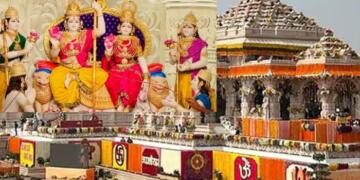







The DMK-led alliance in Tamil Nadu has crossed a troubling line by moving to impeach Justice G.R. Swaminathan of the Madras High Court immediately after he delivered a legally sound ruling allowing the centuries-old festival ritual of Karthigai Deepam at Thiruparankundram hill to proceed. Critics rightly view this as not a genuine call for judicial reform but as an act of political retaliation designed to intimidate the judiciary and punish a judge for upholding Hindu religious traditions.
Justice Swaminathan’s order was transparent, measured and rooted in legal precedent. He directed that a small group of devotees be escorted under security to light the lamp, acknowledging that prior repeated refusals by temple authorities and state machinery were in defiance of existing law. The fact that a two-judge bench upheld the decision only reinforces its legitimacy. Instead of accepting this verdict as a reaffirmation of religious rights and judicial integrity, DMK — joined by its national coalition partners — chose the path of confrontation and political vindictiveness.
The impeachment motion levies accusations against Justice Swaminathan of bias, favouritism to certain advocates, and alleged prejudices against secular functioning of the judiciary. But these claims were voiced only after his ruling, not before. That timing betrays the motive — this is not about justice or judicial ethics, but about sending a warning to the judiciary: rule in favour of tradition or face consequences. Such a message poses a grave danger to the independence of courts.
A functioning democracy requires that judicial decisions be free from political pressure. When a judge can be targeted for impeachment simply for passing a verdict the ruling party dislikes, the separation of powers — a core safeguard of constitutional governance — is compromised. The DMK government’s stunt undermines this fundamental principle and risks turning judges into extensions of political will rather than impartial arbiters of law.
Beyond the immediate legal implications, this episode reflects a deeper pattern. Observers have accused the DMK of “weaponised secularism,” alleging that the party repeatedly undermines Hindu practices under the guise of secular governance whenever political expediency demands. When the High Court’s order restored the traditional ritual, instead of honouring it they directed the state to challenge the ruling — and when that failed, resorted to impeachment efforts. This reeks of vote-bank politics masquerading as constitutional procedure.
Supporters of religious and civil rights are right to be alarmed. If such moves go unchallenged, future judges may feel obligated to rule in ways that do not offend political sensibilities — regardless of what the law or evidence demands. That would effectively erode judicial independence and turn courts into another arm of partisan politics.
By seeking to impeach Justice Swaminathan over a ruling that helped restore a legitimate religious tradition, the DMK is not strengthening secularism or ensuring law and order — it is promoting fear, coercion and judicial subservience. This isn’t just about one festival or one hilltop lamp — it’s about the soul of democracy.
It is vital for citizens, political parties, and constitutional watchdogs to recognize the significance of this moment. Upholding judicial independence is not negotiable; any attempt to penalize judges for their verdicts must be rejected outright. The DMK’s latest move is not an act in defence of secularism but a blatant example of power politics overriding constitutional morality.





