






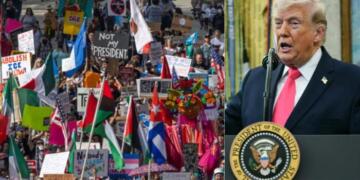






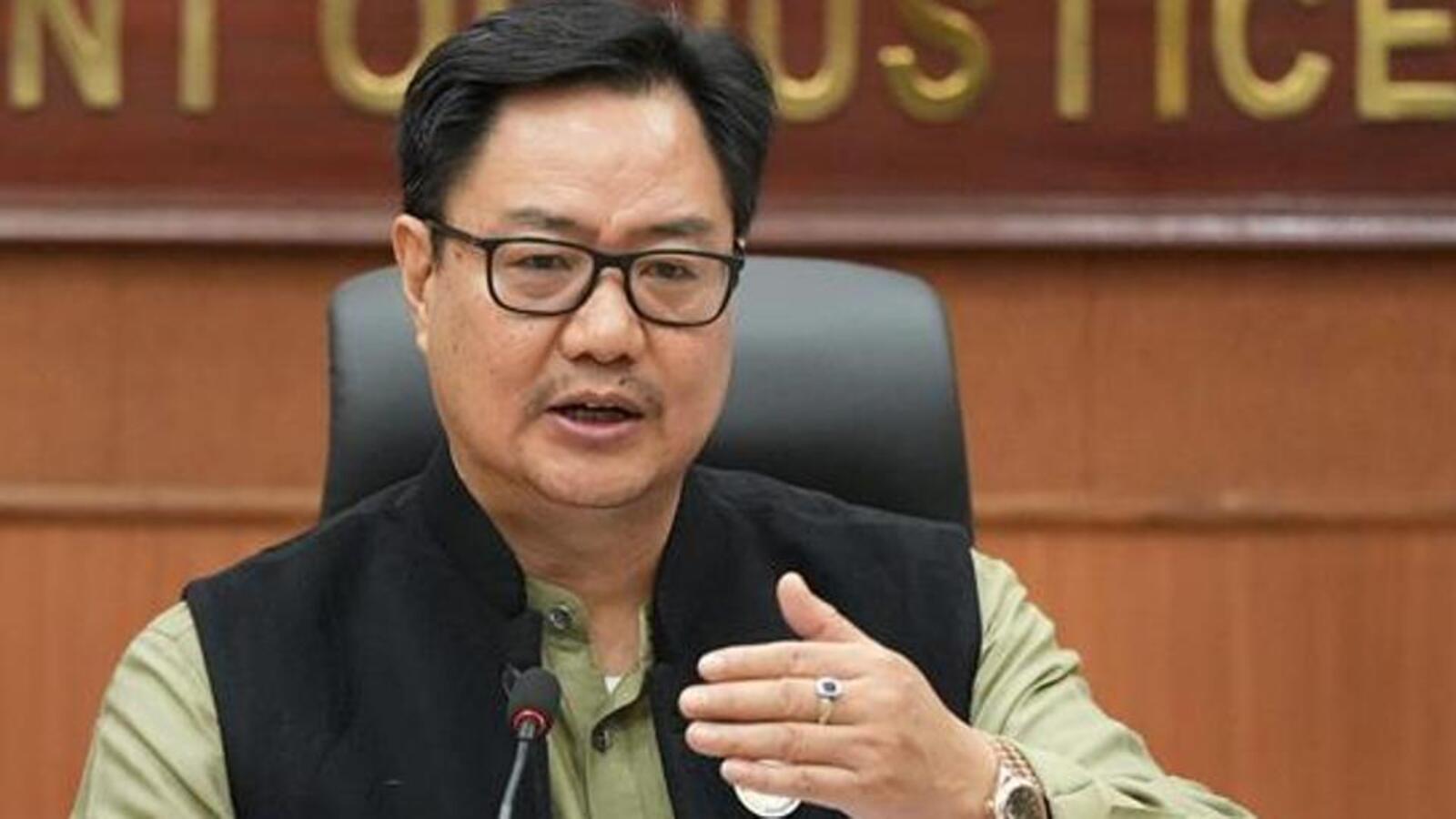
Union Parliamentary Affairs Minister Kiren Rijiju on Monday strongly criticised the Opposition over slogans raised against Prime Minister Narendra Modi during a Congress mega rally held to protest alleged “Vote Chori” claims.
Minister Rijiju flagged remarks by some Opposition leaders which, he said, openly vocalised the idea of killing the Prime Minister.
Addressing the controversy, Rijiju said, “What kind of mindset is this which makes a public announcement about killing rivals? If some Opposition leaders speak about killing the PM, it is really unfortunate.”
He further condemned the remarks and demanded that the Congress party issue a formal apology from the floor of Parliament.
“Merely condemning is not enough. The Congress president and the LoP should apologise in the Parliament; they should apologise to the country. I think that if any humanity is left with them and if the Congress party wants to give any respect to the country, they should not delay and apologise to the country from the Floor of the Parliament. Only then will we agree that they committed a mistake and the Congress party admitted the mistake,” Rijiju added.
The controversy stems from a statement made by Congress leader Manju Lata Meena at a rally organised by the party against alleged “vote chori”. During the protest, Meena reportedly said, “Modi teri kabar khudegi, aaj nahin toh kal khudegi” (Modi, your grave will be dug soon, if not today, then tomorrow).
The remark triggered sharp reactions from the Bharatiya Janata Party (BJP), with senior leaders accusing the Congress of normalising violent and abusive political language and lowering the standards of public discourse.
On Sunday, Meena, who is also the district president of the Jaipur Women’s Congress.defended her statement, insisting that it reflected public anger rather than any personal threat.
“There is so much anger among the public regarding vote rigging. They (BJP) have formed these governments by rigging votes, and the Election Commission is also acting according to their instructions. He (PM Modi) doesn’t talk about employment, youth, women, or farmers. He distracts from the issues,” she said.
Political Fallout and Wider Context
The BJP has argued that the remark goes beyond political criticism and enters the realm of incitement and violent rhetoric, especially when directed at the Prime Minister of the country. Party leaders have maintained that such language undermines democratic norms and endangers public life.
This is not the first time political discourse has sparked controversy over the use of aggressive or inflammatory language. In the past, statements made at election rallies, protest marches, and party conventions—across party lines—have drawn criticism for personal attacks, provocative metaphors, and language seen as glorifying violence. Each such episode has reignited debate over the need for restraint, accountability, and higher standards of speech in public life.
The latest episode comes at a time when political temperatures remain high, with Opposition parties alleging irregularities in the electoral process and the ruling party dismissing those claims as baseless and irresponsible.
As Parliament prepares for heated exchanges, Rijiju’s demand for an apology from the Congress leadership has added another flashpoint, with the BJP insisting that a clear and unequivocal expression of remorse is necessary to draw a line between democratic protest and unacceptable rhetoric.





