

















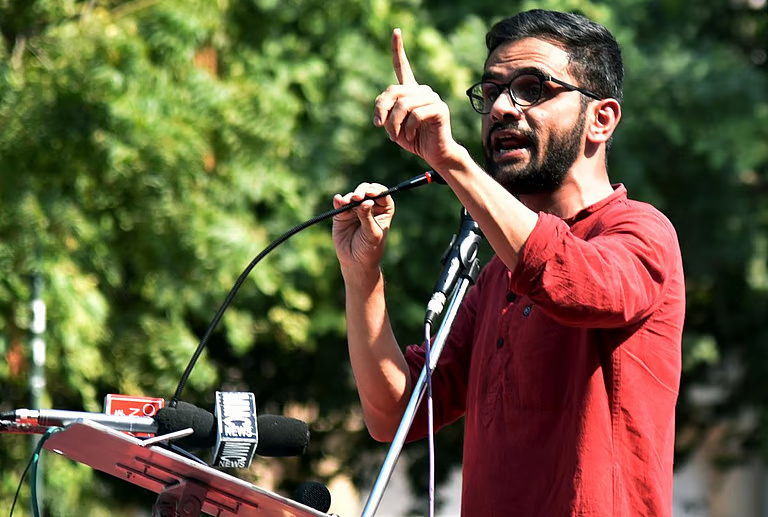
The Delhi court’s decision to grant interim bail to Umar Khalid from December 16 to 29 in the Delhi riots larger conspiracy case has triggered renewed debate over judicial priorities and public expectations of accountability. The order, meant to allow him to attend his sister’s wedding, has intensified the spotlight on a case that already carries enormous emotional and political weight. With the scars of the 2020 Delhi riots still fresh for many families, the temporary release of Umar Khalid has stirred discomfort and criticism across wide sections of society.
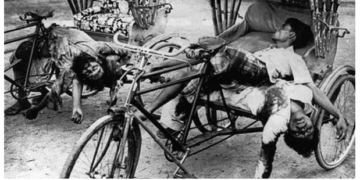
The Delhi riots were one of the most violent episodes in the capital’s recent history. More than fifty people lost their lives, hundreds were injured and entire neighbourhoods were torn apart. Even now, many victims continue to struggle with the memories of fire, fear and loss. In this context, the larger conspiracy case is not just another criminal proceeding. It is a test of the state’s resolve to confront those accused of provoking unrest and destabilising peace. That is why the decision to allow Umar Khalid, one of the most widely discussed accused in the case, to walk out on interim bail has raised difficult questions.
Many argue that the court’s leniency towards Umar Khalid risks diluting the gravity of the accusations against him. While attending a sibling’s wedding is understandably personal, the symbolism is impossible to ignore. Granting such a concession in a case of alleged conspiracy behind a communal riot sends a mixed signal at a time when the public expects firmness and clarity. Critics believe that each moment of liberty granted to Umar Khalid reinforces a perception that the judicial system bends more for those with ideological networks or public visibility, while victims remain unheard and unresolved in their pain.
There is also concern that repeated reliefs, however short, may weaken the prosecution’s narrative. The conspiracy case depends heavily on demonstrating coordinated planning, mobilisation and incitement. When the accused, especially someone as high-profile as Umar Khalid, is granted interim bail, it inevitably shapes public perception. It gives space to claims that the case is politically loaded or lacking in substance. Whether such claims are valid or not is for the courts to determine, but perceptions matter deeply in a case of this scale.
Another troubling dimension is the emotional impact on victims. For families who lost loved ones or saw their homes burn, the sight of Umar Khalid securing yet another moment of freedom is painful. Their quest for justice has already been long and exhausting. Watching the accused move in and out of custody makes them feel abandoned by institutions that should have stood firmly with them. Such decisions risk widening the gap between legal processes and public faith.
This critique is not a call to deny personal rights. Courts have the authority to grant temporary bail for compelling reasons. But when the case involves mass violence and allegations of orchestrated unrest, courts must exercise heightened caution. The Delhi riots were not an ordinary disturbance. They were a national shock that shook the capital’s moral and civic confidence. In such cases, even temporary relief for someone like Umar Khalid carries symbolic consequences far beyond the stated reason.
Ultimately, the interim bail granted to Umar Khalid has once again stirred fundamental questions. What message does it send about the seriousness of the charges? Does it risk blunting public trust in justice? And most importantly, does it align with the expectations of a society still mourning the losses of 2020?
As the nation watches closely, one truth remains clear: justice must be firm, and justice must be seen. In a case as sensitive as the Delhi riots conspiracy, the stakes are too high for anything less.





