
















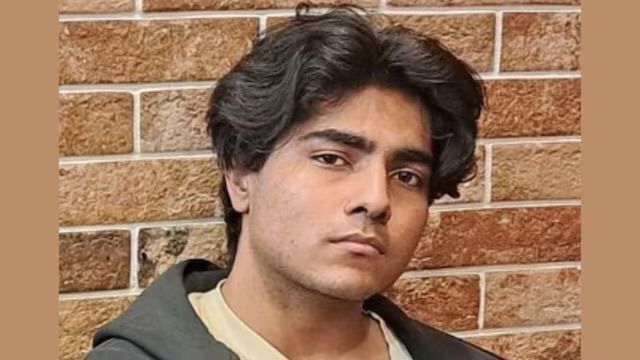
A 20-year-old Indian doctoral student, was fatally shot near the University of Toronto Scarborough campus, police confirmed.
The student identified as Shivank Awasthi was shot in the Highland Creek Trail–Old Kingston Road area on Tuesday.
Authorities said Avasthi was found suffering from a gunshot wound and was pronounced dead at the scene, while the suspects fled before police arrived.
The campus was briefly locked down as officers conducted a search. The killing marks Toronto’s 41st homicide this year.
The Consulate General of India in Toronto expressed deep anguish over the tragedy and said it is providing full assistance to Avasthi’s family.
In a statement posted on X, the Consulate said: “We express deep sorrow over the tragic death of Shivank Avasthi and are in close coordination with local authorities to support his family during this difficult time.”
Avasthi, a third-year life sciences student, was also a member of the University of Toronto Scarborough cheerleading team.
The team paid tribute to him on Instagram, recalling his positive spirit and encouragement.
“We are deeply saddened and in shock by the sudden loss of a beloved Maroon, Shivank Avasthi. He brought a smile to everyone’s face and will always be part of our UTSC Cheer family,” the team said.
The shooting has sparked fear and anger among students, who expressed concerns about campus safety.
A post on Reddit highlighted that Avasthi was shot in broad daylight in a heavily used campus area and criticized the lack of timely information on the suspects and their motives. Many students said they now feel unsafe attending late classes or exams.
The killing comes just days after another violent incident involving an Indian national in Toronto. Himanshi Khurana, a 30-year-old Indian-origin woman, was found murdered.
Police are searching for Abdul Ghafoori in connection with her death, which authorities believe involves intimate partner violence. India’s Consulate in Toronto is assisting Khurana’s family as well.
In another incident, an Indian student from Delhi, Tanya Tyagi, died under unexplained circumstances in Canada, marking the fourth such incident in recent months and raising concerns about the safety of Indian students in the country.
Tyagi was pursuing a Master’s in Food Safety and Quality at the University of Calgary. She had previously studied at Jaypee Institute of Information Technology, according to her LinkedIn profile, as reported by News18.
Canadian authorities have not yet released an official statement or confirmed the cause of her death.
An unverified post on X suggested that Tyagi died of a cardiac arrest on June 17. Her family has reportedly sought assistance from Prime Minister Narendra Modi for the repatriation of her body, according to India Today.
Tyagi’s death comes amid a series of incidents involving Indian students in Canada in recent months.
In April, 21-year-old Vanshika Saini, who had been missing for four days, was found dead near a beach in Ottawa. The High Commission of India in Ottawa confirmed her death and said local police are investigating the case.
Saini had gone missing on April 25 after leaving home to inspect a rental property. Her phone went offline that night, and she missed a key exam the following day—an unusual occurrence, authorities said, as reported by India Today.
In recent years, incidents of racially motivated attacks and violence against Indians in countries around the world have risen sharply, sparking growing concern among diaspora communities and authorities alike.
Government data presented in India’s Parliament shows a marked increase in violent assaults on Indian students abroad over the past five years, with reported attacks rising from just a handful in 2022 to dozens annually, and dozens of deaths linked to such violence in host countries including Canada, the United States, the UK and others.
Beyond student populations, Indian immigrants in nations such as Ireland and Australia have faced brutal racially charged assaults — from gang beatings and public humiliations to attacks on children — prompting embassy advisories and heightened safety warnings.
These troubling trends mirror broader increases in racist rhetoric, xenophobic protests and hate crimes in parts of Europe and North America, contributing to a climate of fear among minority communities and raising urgent questions about safety, integration and protection in foreign lands.