








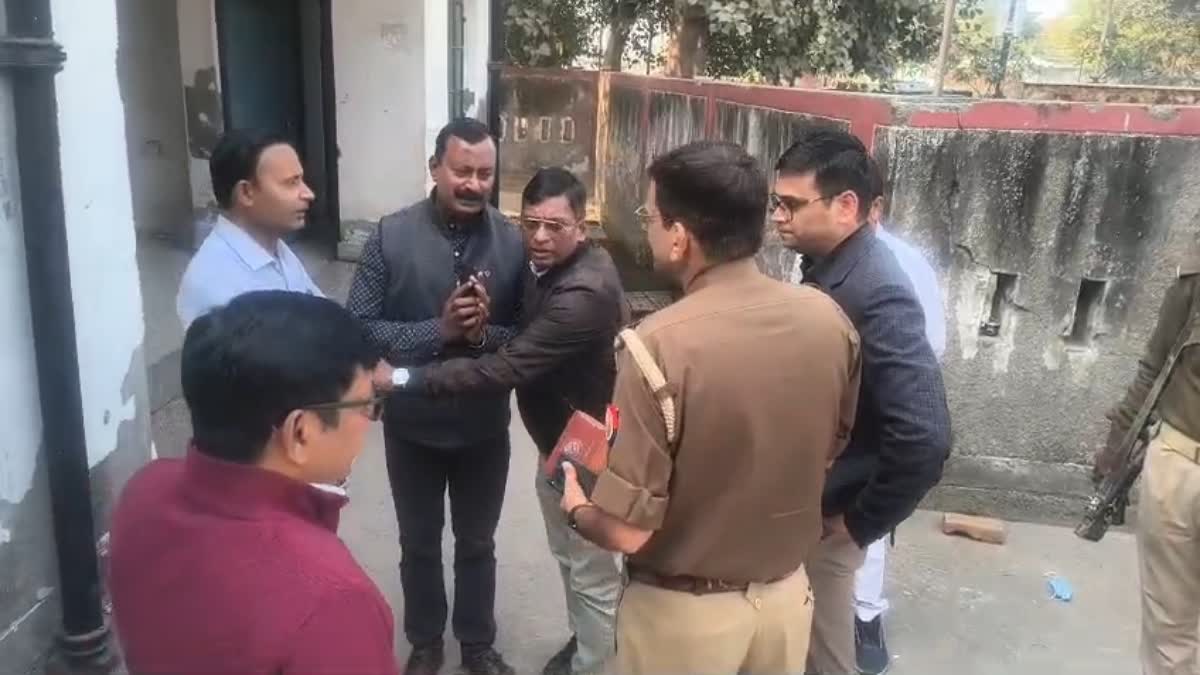
The Special Intensive Revision (SIR) drive, conducted nationwide between November 5 and November 27, 2025, was intended to strengthen India’s electoral rolls by verifying voter details through door-to-door surveys. Instead of becoming a smooth democratic exercise, the drive has turned into a period of fear, anxiety and violence for thousands of Booth Level Officers, in short BLOs. These frontline workers, many of whom are schoolteachers assigned additional responsibilities, have found themselves exposed to hostility from residents, unbearable workloads and in several cases, fatal consequences. Across India, at least 12 major incidents involving attacks, collapses, threats, protests and even deaths of BLOs were reported during this period, raising urgent concerns about their safety and the management of the SIR process.
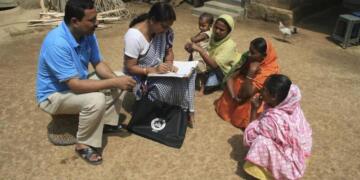
The SIR initiative placed more than five lakh BLOs on the ground to verify the details of over 51 crore voters. This required them to visit households, distribute and collect forms, record data and upload information through digital platforms, often within extremely tight deadlines. The sheer scale of the task and the pressure to meet daily targets made these officers vulnerable not only to exhaustion but also to conflict with individuals who disapproved of the enumeration process. In many areas, residents showed hostility or mistrust toward enumeration teams, leading to confrontations that occasionally turned violent. As a result, BLOs found themselves bearing both the physical strain of long working hours and the psychological stress of unpredictable public interactions.
One of the most alarming incidents occurred in Raipur, Chhattisgarh, where a young man physically attacked a BLO conducting routine SIR duties, leaving the officer injured. This highlighted the growing resistance in certain localities where people perceived the SIR survey as intrusive or unnecessary. Another pattern emerged in states like Madhya Pradesh and Gujarat, where several BLOs collapsed or died due to extreme work pressure. Reports noted that some officers fainted while on duty, some suffered cardiac arrests shortly after completing their rounds, and others died while returning home from field visits. In Madhya Pradesh alone, multiple districts such as Bhopal, Shahdol and Rewa recorded successive cases of BLOs collapsing from stress or receiving fatal health shocks immediately after being urged to meet targets.
West Bengal and Gujarat too recorded several distressing incidents. In West Bengal, a 60-year-old BLO suffered a stroke while distributing voter verification forms. The state also witnessed intense protests by BLOs demanding relief from overwhelming pressure, leading to police barricading of administrative offices and unpleasant clashes. In Gujarat, an assistant BLO in Vadodara collapsed and died, marking yet another casualty linked to SIR fatigue. Similar tragedies emerged from states like Uttar Pradesh, Rajasthan and others, where BLOs reported long hours, stress-induced illnesses and unsafe working environments.
Beyond health-related incidents, the SIR period also saw widespread turmoil in the form of mental health breakdowns, resignations and road accidents involving exhausted BLOs. In Noida, several schoolteachers assigned BLO duty reportedly resigned after being unable to cope with the workload. In Madhya Pradesh’s Raisen district, a BLO returning home after completing SIR duties met with a severe road accident, raising concerns about officers commuting long distances after physically draining assignments. Across several states, teachers stated that they were required to work late into the night, with some alleging that they had targets instructing them to upload dozens of forms by midnight.
These tragedies prompted reactions from political leaders and civil-society groups. Many criticised the Election Commission and state administrations for poor planning, inadequate support and unrealistic expectations. Opposition leaders publicly condemned the SIR drive, calling it an “inhumane exercise” and alleging that more than a dozen BLOs had died due to work pressure. In states like West Bengal, teachers’ organisations marched on the streets demanding immediate suspension of SIR until safeguards were implemented. Chief ministers and political parties across the country expressed solidarity with the affected families, insisting on urgent reforms to protect BLOs.
The underlying causes of these attacks and incidents can be traced to a combination of excessive workload, unrealistic deadlines, technological glitches, poor logistical support and lack of adequate security for field officers. Many BLOs reported difficulty uploading data due to slow servers, leading to extended work hours. Others stated that they lacked proper training to handle the digital tools required for SIR. In areas where residents resisted the survey, BLOs went unprotected, with no police or administrative support. This exposed them to physical threats and verbal abuse. Above all, the failure to classify SIR duty as official “on-duty” election work left BLOs feeling undervalued and unprotected.
As the SIR drive concludes, one thing is clear: India’s electoral system depends on the safety, well-being and motivation of its ground-level workers. The series of attacks, collapses and deaths during the November 2025 drive suggest the urgent need for systemic reforms. Better planning, realistic deadlines, enhanced security arrangements, dedicated mental and physical health support, improved digital infrastructure and official recognition of BLO duties are essential steps. The democratic process must not be built on the suffering of those who enable it. Ensuring the safety and dignity of BLOs is not only a matter of worker welfare, but also a prerequisite for free, fair and credible elections in the world’s largest democracy.