



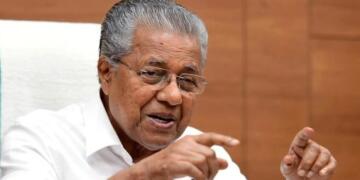








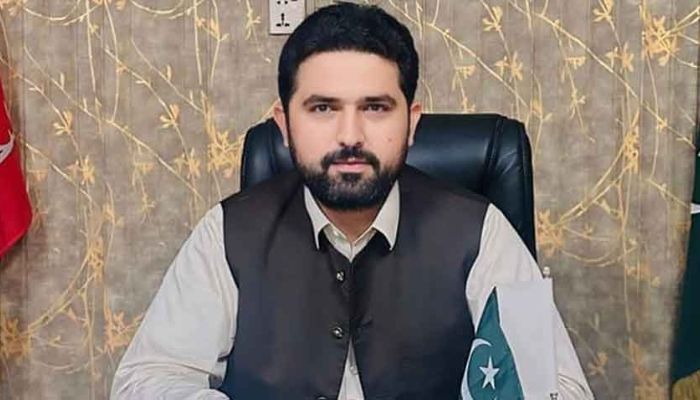
In a startling accusation that has intensified tensions between the civilian government and the military establishment, the Chief Minister of Pakistan’s Khyber Pakhtunkhwa (KP), Sohail Afridi, has alleged that the Pakistani Army humiliated and dehumanized Pashtuns in the tribal belt. Speaking to local media, Afridi accused the army of tying dogs inside mosques and telling tribal people that they “shared the same status as dogs.” The remark, attributed to soldiers under the command of Army Chief Asim Munir, has sparked widespread outrage and renewed debate over the military’s role in Pakistan’s tribal regions.
According to a report by TOLO News, Afridi described these alleged acts of Pakistani Army as “barbaric” and “an insult to Islam and humanity.” He claimed that the military’s repeated operations in Khyber Pakhtunkhwa were not counter-terrorism missions but acts of aggression against innocent civilians. “When we would go and tell them that they are violating the sanctity of the mosque, they would tell us ‘you and these dogs are no different,’” Afridi said, emphasizing the deep humiliation faced by local Pashtuns.
Afridi went on to call the military’s actions “war crimes,” urging an end to what he described as decades of systemic oppression. “Despite this, we still support them … but do they know the pain of my people?” he asked, adding that the tribal population has endured countless abuses under the guise of national security. The chief minister also highlighted the alleged mistreatment of Pashtun women during these operations, claiming that their dignity was routinely violated.
The remarks have ignited a fierce political controversy. KP Governor Faisal Karim Kundi swiftly condemned Afridi’s statement, accusing him of undermining the morale of Pakistani Army. In a post on X (formerly Twitter), Kundi wrote, “The brave sons of our soil lay down their lives to protect our province — questioning their intent in sensational terms only damages morale and public safety.” He urged Afridi to “exercise restraint” and prioritize “the unity and safety of Khyber Pakhtunkhwa above partisan politics.”
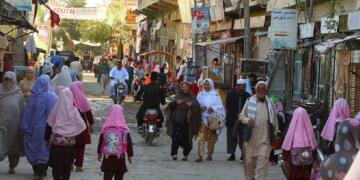
Afridi’s comments come at a volatile time for Pakistan’s northwest, where decades of Pakistani Army operations have left a trail of displacement, resentment, and distrust. The tribal areas — once semi-autonomous — were merged into Khyber Pakhtunkhwa in 2018, but the scars of repeated army interventions persist. Allegations of extrajudicial killings, enforced disappearances, and desecration of homes and mosques have long been a source of friction between the Pashtun population and the security establishment.
Human rights organizations and regional activists have frequently echoed these concerns. Movements such as the Pashtun Tahafuz Movement (PTM) have accused the Pakistani Army of systematic human rights abuses, particularly in North and South Waziristan. However, successive governments have dismissed these claims, labeling them as “anti-state propaganda.” Afridi’s statements, therefore, carry the weight of both political defiance and tribal solidarity, challenging the military’s narrative head-on.
At 35, Sohail Afridi is among Pakistan’s youngest provincial leaders and a close ally of former Prime Minister Imran Khan. Born in Bara tehsil of Khyber district, his tribal heritage has shaped his outspoken criticism of the military’s role in Pashtun territories. His appointment as Chief Minister followed the resignation of Ali Amin Gandapur and marked a generational shift in KP’s political leadership.
The controversy unfolds against the backdrop of escalating violence between Pakistan and Afghanistan. In recent weeks, cross-border clashes and airstrikes have claimed hundreds of lives. Pakistani Army claims to have killed over 200 militants linked to the Tehrik-e-Taliban Pakistan (TTP), while Afghanistan asserts it has inflicted heavy losses on Pakistani troops. These developments have deepened the sense of instability in KP, where residents remain caught between militant violence and military operations.
Afridi’s explosive allegations have not only exposed the deep civil-military divide in Pakistan but have also reignited long-standing grievances of the Pashtun population. Whether his words spark genuine accountability or invite political retribution remains to be seen — but one thing is certain: the wounds of Khyber Pakhtunkhwa’s people, as Afridi suggests, run far deeper than the nation is willing to admit.





