











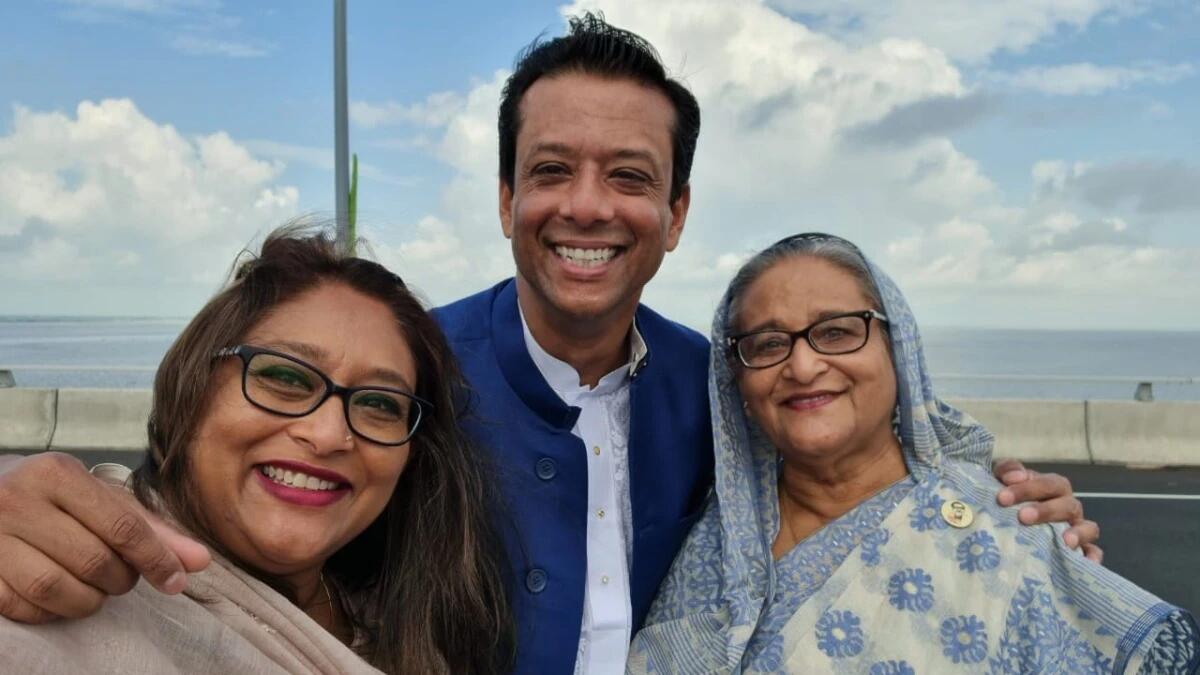
In a striking revelation that deepens the political crisis in Bangladesh, Sajeeb Wazed, son of ousted Prime Minister Sheikh Hasina, has said that India prevented a planned assassination attempt on his mother during last year’s nationwide unrest. Speaking to ANI in Virginia, USA, Wazed expressed profound gratitude toward the Indian government, crediting Prime Minister Narendra Modi with saving Hasina’s life at a time when extremist forces, he claimed, were waiting to eliminate her.
His comments come amid escalating tensions between New Delhi and Dhaka following the controversial death sentence handed to Hasina by the International Crimes Tribunal. The former prime minister was convicted in absentia for allegedly ordering a violent crackdown on student-led protests an outcome her son insists is the product of a deeply compromised judicial process.
Wazed described India as a “trusted friend” that intervened at the height of Bangladesh’s political breakdown in July–August 2024. According to him, militants backed by anti-government factions had plotted to assassinate Hasina if she remained in the country during the violent uprising. Her exit to India, facilitated quietly and swiftly, prevented what he claims would have been “certain death.”
“India has essentially saved my mother’s life. If she hadn’t left Bangladesh, the militants had planned on killing her,” he said, adding that he remains “eternally grateful” to PM Modi and his administration. Hasina, 78, has been in India since fleeing Dhaka during the unprecedented street violence that shook the nation for weeks.
The International Crimes Tribunal recently sentenced Hasina to death a verdict that has drawn both celebrations and widespread anger. Bangladesh has sought her extradition, but Wazed argues that no legitimate legal grounds exist.
He accused the interim government, led by Nobel laureate Muhammad Yunus, of systematically dismantling judicial safeguards. According to Wazed, multiple laws were amended specifically to fast-track Hasina’s conviction, with her legal team denied basic access to the courts.
“Seventeen judges were terminated before the trial. New judges with political connections and little judicial experience were installed to guarantee a predetermined outcome,” he alleged. Wazed insists that the tribunal was “rigged from the beginning,” and therefore the verdict has no international credibility.
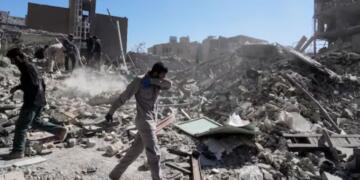
The political turmoil that forced Hasina out of Bangladesh was one of the deadliest internal crises in the country’s history. A UN assessment estimated that around 1,400 people were killed, many by gunfire from security forces attempting to quell the uprising. The unrest paralysed the administration for weeks, with violent clashes, mass detentions, and widespread disruption.
The interim government continues to defend the trial as lawful and transparent, claiming Hasina’s actions during the student protests warranted the harshest punishment. However, with national elections scheduled for February and the Awami League barred from participating, concerns about escalating instability persist. Wazed warned that excluding one of the country’s largest political parties from the electoral process could push Bangladesh into further chaos.
Security forces remain on high alert. In recent days, crude bombs exploded in several districts, vehicles were set ablaze, and heavy deployments were ordered around judicial complexes and government offices as tensions continue to simmer.
Bangladesh’s ongoing crisis has become a defining moment in its modern history. Sheikh Hasina’s dramatic escape, allegedly facilitated by India to prevent an assassination, and her subsequent death sentence have raised troubling questions about due process, political retribution, and the fragility of democratic institutions. As Dhaka prepares for elections under an unelected interim authority, the absence of political consensus, intensifying street violence, and international scrutiny suggest that Bangladesh stands at a dangerous crossroads. Whether stability returns or further unrest erupts will depend heavily on how the government handles the coming months and whether meaningful political reconciliation remains possible.