
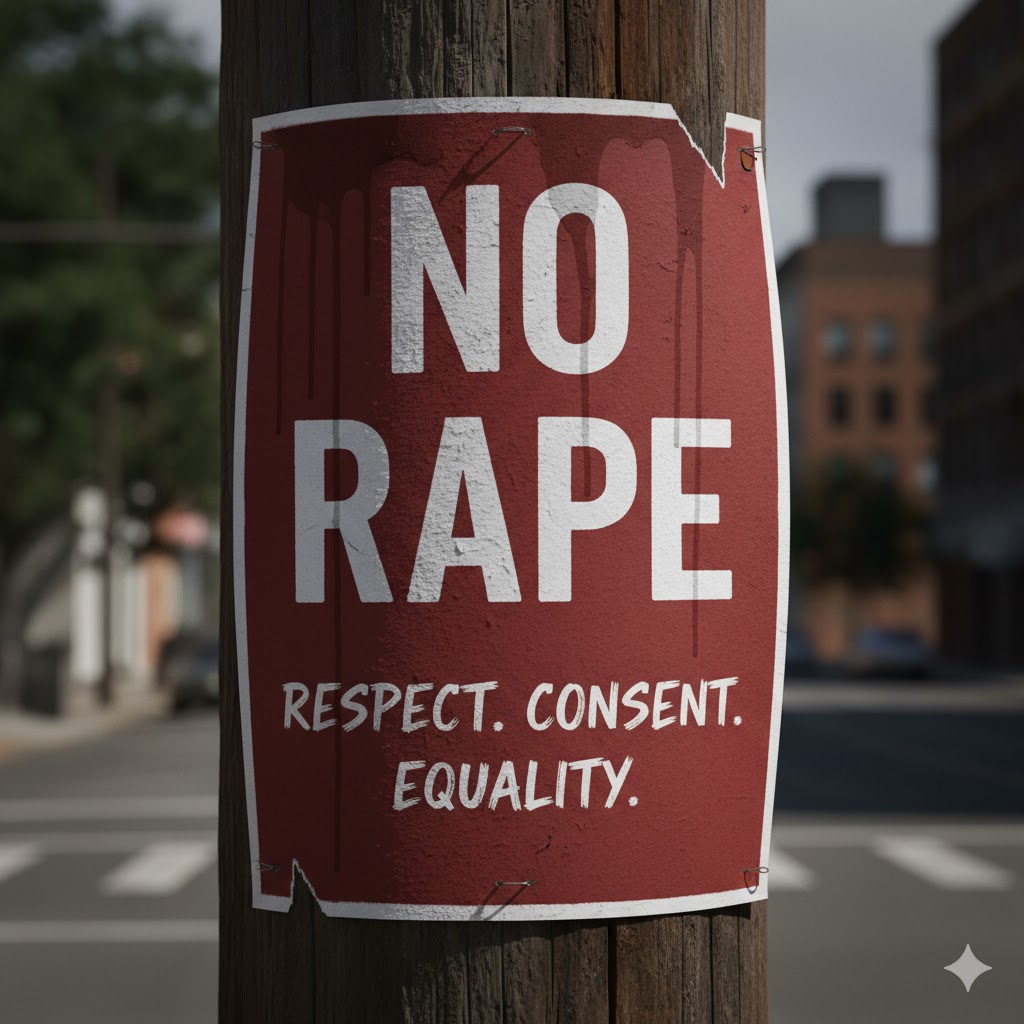
Nearly three weeks after the brutal gangrape of a medical student in Durgapur, the Asansol-Durgapur Police filed an 861-page chargesheet before the Durgapur sub-district court on October 30. The document names six men, including the victim’s classmate and a supposed friend, detailing their roles in the crime that has once again brought West Bengal’s law and order situation under intense scrutiny.
According to police reports, the victim, a second-year MBBS student from Odisha, was attacked on the night of October 10 near IQ City Medical College Hospital. She had gone out with a male friend, Ali, who allegedly misled her and later participated in the assault. The accused were identified as Nasiruddin Sheikh, Firdaus Sheikh, Apu Bauri, Riazuddin Sheikh, Safiq Sheikh, and Ali. Three have been charged with gangrape, dacoity, and extortion, while the others face charges of molestation, dacoity, and evidence tampering. The chargesheet includes statements from 51 witnesses, reconstruction reports, and forensic findings which corroborate the victim’s account.
Police arrested all six suspects, and on October 31 a local court denied bail to Riazuddin and Safiq Sheikh. Special Public Prosecutor Bivas Chatterjee stated that the court has directed a fast-tracked trial, projected to begin on November 8, and expressed confidence that the case would conclude within two months. Chatterjee called the timely filing of the chargesheet a reflection of the police commissionerate’s commitment to justice.
However, outside the courtroom, the case of horrific gangrape has triggered strong public emotion and renewed debate over the safety of women in West Bengal. Citizens and activists have condemned Chief Minister Mamata Banerjee’s remarks advising girls not to venture out after dark, which many interpreted as an attempt to shift blame from the state to the victim. While the intention of promoting caution may have been benign, the comment reflected a governance mindset that often prioritizes symbolism over systemic reform.
Over the past few years, West Bengal has seen a series of disturbing incidents of sexual violence and also gangrape, raising urgent questions about the effectiveness of existing safety measures and police vigilance. Critics argue that the government’s responses have been reactive rather than transformative, relying on quick administrative action and public assurances instead of addressing deeper structural flaws such as lack of surveillance in vulnerable zones, underreporting due to social stigma, and uneven law enforcement.
The Durgapur gangrape case stands out both for its brutality and for the glaring failure of preventive oversight in a city known for its educational institutions. While the police acted swiftly after the incident, the government’s delayed and defensive reaction has undermined public confidence. Law and order, especially concerning crimes against women, requires political will, administrative accountability, and a long-term safety strategy that empowers victims instead of cautioning them into silence.
The Asansol-Durgapur Police have performed their duty by ensuring prompt investigation and evidence preservation, but justice cannot be left to the courts alone. The state must now show that its concern for women’s safety goes beyond statements of regret. For true accountability, the focus must shift from damage control to structural reform—only then can West Bengal hope to prevent such tragedies from repeating. No mercy to gangrape.