
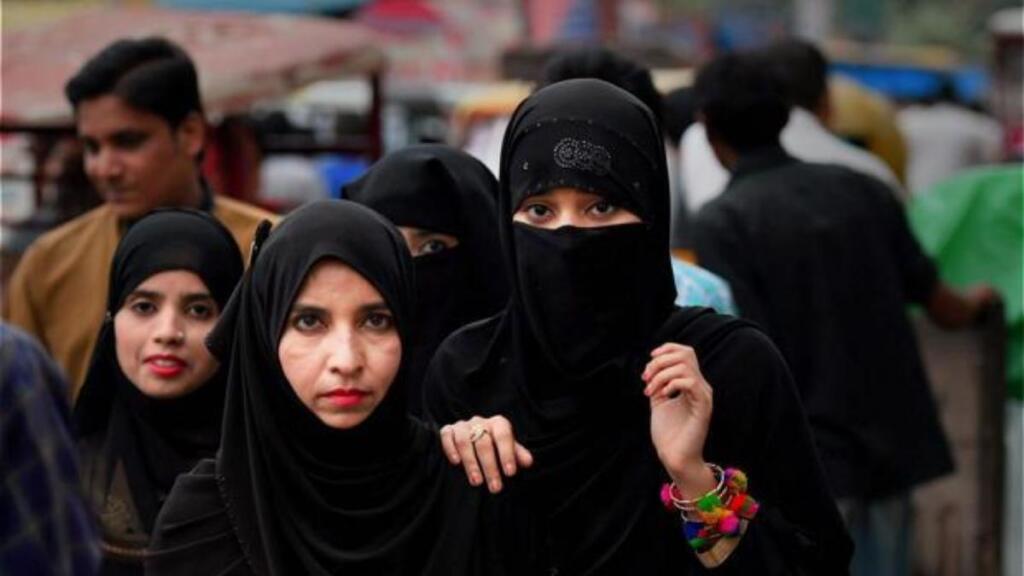
The Bharatiya Muslim Mahila Andolan (BMMA) has released a comprehensive report shedding light on the evolving preferences, priorities, and aspirations of Muslim women across India. The findings challenge many conventional assumptions about the community and highlight the increasing desire among women for greater autonomy, legal awareness, and social participation. This report underscores the importance of recognizing Muslim women as active agents in shaping their personal, social, and professional lives.
The report emphasizes that Muslim women today are increasingly prioritizing education and career development. Contrary to stereotypical narratives, a significant number of respondents expressed a desire for higher education and professional engagement. Many women highlighted that education not only provides personal empowerment but also equips them to participate effectively in decision-making within their families and communities. This trend signals a broader shift in the aspirations of Muslim women, moving towards self-reliance and active involvement in society.
Legal awareness emerged as another central theme in the Bharatiya Muslim Mahila Andolan report. Muslim women have long faced challenges in accessing information about their rights under both personal and constitutional laws. The report indicates that a growing number of women are now seeking clarity on issues such as marriage, divorce, inheritance, and protection against domestic violence. There is a marked demand for accessible legal literacy programs that can help women exercise their rights confidently and safely. The BMMA’s findings suggest that empowering women legally is as important as promoting education and employment opportunities.
The report also explores the preferences of Muslim women regarding marriage and family life. Many respondents expressed a desire for reforms in personal laws that affect their lives directly. For instance, women emphasized the importance of consent in marriage, equitable distribution of property, and safeguards against unilateral decisions in divorce. These preferences reflect a deep awareness among Muslim women of the need to balance religious traditions with constitutional rights, demonstrating a nuanced understanding of how faith and modernity can coexist.
Health and well-being were also highlighted as key concerns. The Bharatiya Muslim Mahila Andolan report notes that many Muslim women prioritize access to affordable and quality healthcare, maternal support, and mental health resources. Women expressed a strong preference for initiatives that address both physical and emotional well-being, reflecting a holistic approach to health. Improved healthcare access is seen as integral to enabling women to pursue education, careers, and active participation in public life without compromising their personal well-being.
Economic independence remains a crucial aspiration for Muslim women, according to the report. Many respondents underscored the importance of employment opportunities, financial literacy, and support for entrepreneurial ventures. Economic empowerment, they noted, strengthens their ability to make autonomous decisions and enhances their negotiating power within households. This shift points to an increasing recognition among Muslim women that financial independence is closely linked to personal freedom and social equality.
Social participation and leadership also feature prominently in the Bharatiya Muslim Mahila Andolan report. Muslim women expressed a desire to engage more actively in community decision-making, local governance, and public debates. They seek platforms to voice their concerns, contribute to policy discussions, and shape social initiatives affecting their communities. This aspiration for greater visibility and influence indicates a growing confidence among Muslim women to challenge patriarchal norms and demand a more inclusive role in society.
Education, legal awareness, health, economic empowerment, and social participation are interconnected aspects that the Bharatiya Muslim Mahila Andolan report identifies as essential for the overall development of Muslim women. The findings suggest that reforms in one area can positively impact others. For example, access to education not only enhances employment prospects but also increases legal awareness and social participation. Similarly, economic independence enables women to make informed choices about health, family life, and social engagement. The report emphasizes that a holistic approach is necessary to address the multifaceted challenges faced by Muslim women.
The report also touches upon cultural and religious practices, highlighting the diverse perspectives among Muslim women themselves. While many women value their religious identity and traditions, they also seek reinterpretations that align with gender equality and personal rights. This nuanced approach demonstrates that Muslim women are not a monolithic group but a dynamic community with varied beliefs, priorities, and aspirations. Policies and initiatives targeting Muslim women, therefore, need to be flexible, inclusive, and responsive to these differing viewpoints.
The Bharatiya Muslim Mahila Andolan report serves as a call to action for policymakers, social organizations, and civil society. By providing evidence-based insights into the preferences of Muslim women, it urges the development of programs that empower women across multiple dimensions of life. Education, healthcare, legal literacy, economic opportunities, and social participation must be prioritized to create an environment in which Muslim women can thrive. The report also highlights the importance of listening to women themselves, rather than imposing external assumptions about their needs and aspirations.
In conclusion, the Bharatiya Muslim Mahila Andolan’s report presents a compelling picture of Muslim women in India as educated, aware, and determined to assert their rights. Their preferences reflect a desire for autonomy, equality, and active participation in shaping their lives and communities. The findings challenge stereotypes and offer valuable guidance for creating policies and programs that truly empower Muslim women. As India continues to strive for gender equality and social justice, recognizing and supporting the aspirations of Muslim women will be essential to building a more inclusive and equitable society.