

















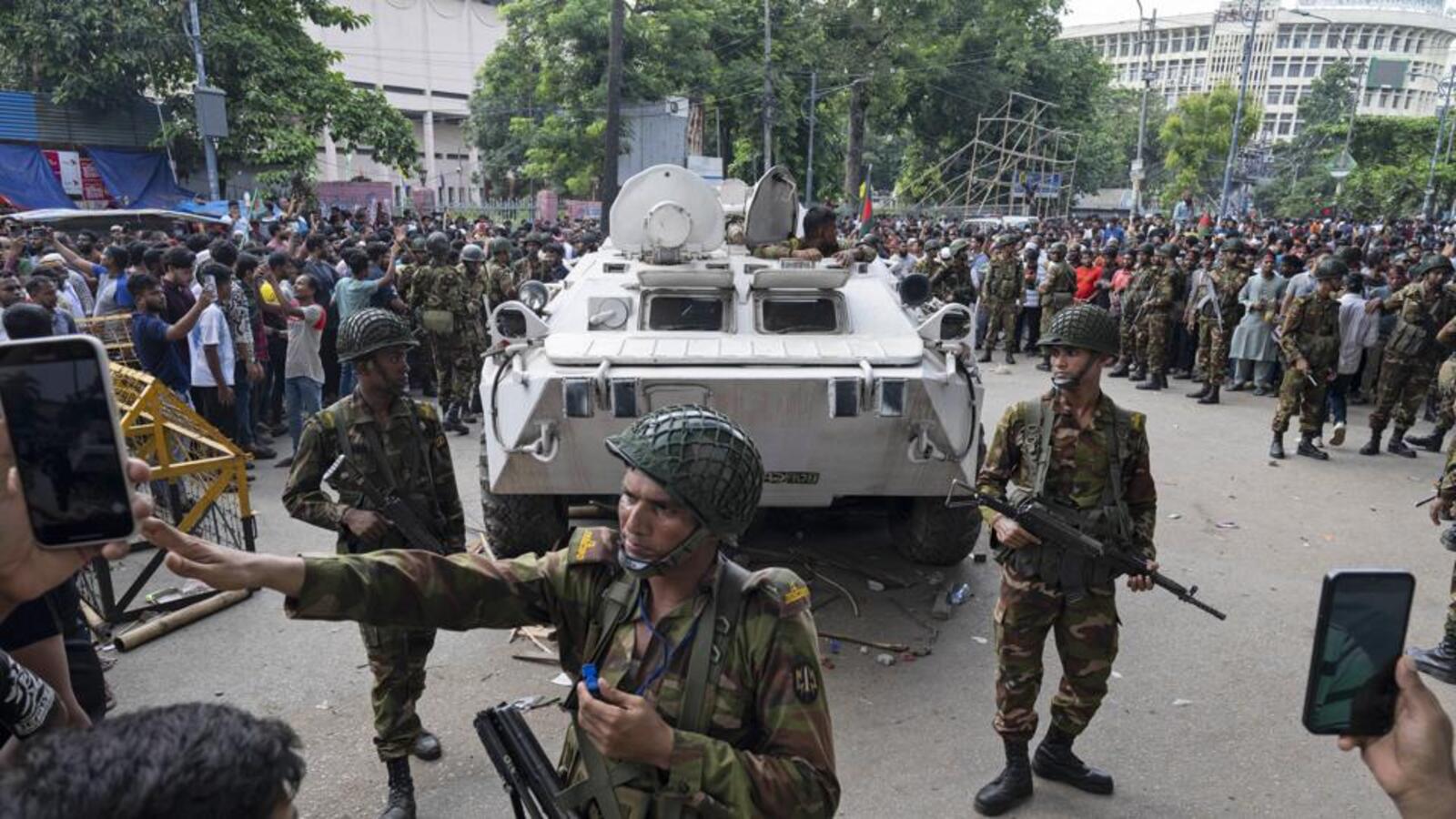
The recent decision by the Bangladesh Army to relocate its temporary patrol base from the Bormachhari area of Khagrachhari marks a deeply troubling moment for an institution entrusted with the defence of the nation. Following a deadly attack by United People’s Democratic Front (UPDF) cadres in Ramsu Bazar on 28 September an assault that claimed innocent young lives the army was expected to respond with resolve and reinforce its presence in this volatile region. Instead, it chose to withdraw under pressure and protest, effectively ceding ground to armed insurgents. This was not a tactical manoeuvre but a retreat born of fear a decision that raises serious doubts about the army’s courage, credibility, and commitment to safeguarding the very citizens it is sworn to protect.
Manifestation of Fear Over Duty
Bormachhari is no ordinary post; it sits on a critical smuggling corridor and within a known UPDF stronghold. The army’s inability to sustain its presence here, despite previous operations to counter armed groups, exposes a disturbing pattern of capitulation in the face of resistance. When UPDF cadres retreated into remote areas such as Kalapahar and Fatikchhari, the army had a strategic opening to dismantle their networks decisively. Instead, the relocation of its base has weakened operational momentum and handed insurgents a symbolic victory.
The base had been strategically located near Arya Kalyan Bihar on Forest Department land for security reasons. Yet when protests intensified involving men, women, and children the army chose withdrawal over confrontation. This decision reveals an internal frailty unbecoming of a professional force. A military that yields to civilian protests in insurgency-prone regions risks eroding its deterrence altogether, allowing militants to regroup and expand their illicit networks while the local population bears the cost of insecurity.
If the Army Retreats, Who Protects the People?
The greatest victims of this retreat are the civilians of the Chittagong Hill Tracts, already caught between militant violence and state neglect. The Bangladesh Army’s mandate is to maintain law, order, and stability in these fragile areas. When it abandons positions under social or political pressure, it sends a dangerous signal that intimidation works, and that the state’s authority can be challenged through fear and force.
This dereliction of duty deepens public mistrust and leaves local communities vulnerable. Once the military’s control wanes, the vacuum is quickly exploited by criminal and insurgent groups who thrive in chaos. The result is predictable: disrupted livelihoods, declining local economies, halted education, deteriorating healthcare, and renewed waves of displacement. Families in these regions live under constant threat, their confidence in the state fading with every show of military weakness. For a country that values sovereignty and stability, such a trajectory is untenable.
Restoring Security and Credibility
To regain public trust, the Bangladesh Army must confront this crisis of confidence head-on. Retreating under pressure cannot be the default response of a professional defence force. True security requires a consistent presence one that projects courage and resilience even in adversity. The army must re-evaluate its operational doctrines, strengthen troop morale, and establish stronger civil–military coordination to ensure local communities view soldiers as protectors, not passive bystanders.
Structural reforms are equally critical. Military leadership must be trained to handle both combat operations and community relations in conflict zones. Intelligence networks need to be expanded to anticipate insurgent movements, and rapid response teams must be empowered to maintain control during unrest. Above all, the government must ensure accountability within the chain of command. Security lapses resulting from fear, indecision, or mismanagement cannot go unexamined. National security demands leaders who are unflinching under pressure and responsive to the evolving threats in the hill tracts.
A Call for True Resolve
The withdrawal from Bormachhari stands as a stark reminder of what happens when fear replaces duty. The Bangladesh Army’s retreat is not merely a tactical failure but a moral one, undermining both the institution’s credibility and the state’s sovereignty. This episode should serve as an urgent wake-up call the military’s strength lies not in numbers or weaponry, but in its will to stand firm in defence of its people.
If the army continues to retreat under pressure, it is civilians who will pay the price, exposed to insurgent violence and instability. The path forward requires courage, discipline, and a coherent strategy that restores confidence in the armed forces as the ultimate guarantor of national security. Until that resolve returns, the peace and stability of Bangladesh’s hill tracts will remain at risk and so too will the nation’s faith in those sworn to defend it.