






















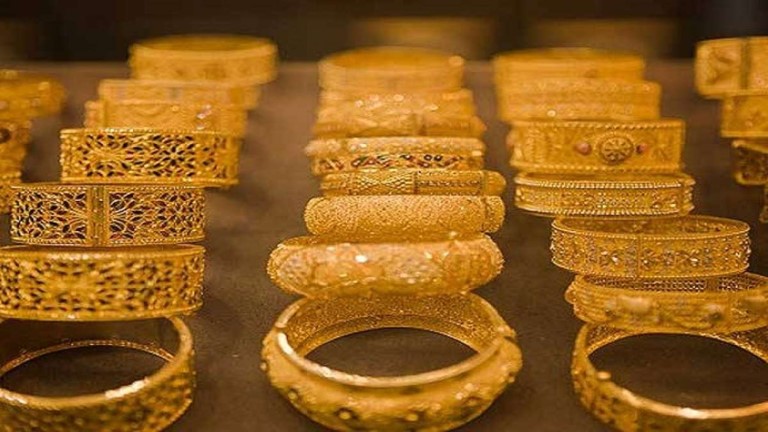
In India, gold is more than just a precious metal. It represents tradition, security, and wealth. People frequently buy it for festivals, weddings, and investment purposes. In Ahmedabad, the demand for gold surges during occasions like Akshaya Tritiya, Dhanteras, and the wedding season. But what exactly causes the gold rate to rise or fall almost every day? In the following sections, we will outline the key factors that currently influence the gold rate in Ahmedabad, enabling you to make informed financial decisions.
1. International Gold Prices
The most important factor influencing the gold price in Ahmedabad, or any Indian city, is the global price of gold. Since India imports most of its gold, changes in international markets directly affect domestic prices. The international price of gold is usually quoted in USD per ounce. When the global market experiences a rise due to geopolitical tensions, economic uncertainty, or inflation fears, gold rates in India also increase.
For instance, if tensions rise in the Middle East or the US economy faces turmoil, investors worldwide tend to buy gold as a safe haven. This demand pushes up global prices, which in turn causes an increase in Ahmedabad’s local gold price.
2. Currency Exchange Rate
Since gold is traded globally in USD, the strength or weakness of the Indian Rupee (INR) against the US Dollar (USD) significantly impacts the gold price in Ahmedabad. If the Rupee weakens against the Dollar, importing gold becomes costlier, thereby increasing local gold prices. Even if the international price remains stable, a depreciating Rupee can cause the rate to climb. Conversely, if the Rupee gains strength, it could moderate or reduce the gold prices locally.
For example, if the USD/INR exchange rate changes from Rs 82 to Rs 85, it would make gold imports more expensive, thereby increasing the gold rates.
3. Import Duty and GST
India levies a customs duty on gold imports, which directly impacts the price at which sellers sell it to buyers. Currently, the import duty on gold is approximately 6% for gold between 100 and 200 grams and 10% for imported gold exceeding 200 grams. This includes Basic Customs Duty and Agriculture Infrastructure and Development Cess (AIDC). Additionally, buyers are subject to a 3% GST on the value of the purchased gold. These taxes significantly increase the final retail price of gold in Ahmedabad and other cities in India.
Therefore, when the government revises import duties, it is immediately reflected in the gold rate in India. For example, a duty increase of even 1% can push prices up by hundreds of rupees per gram.
4. Local Demand and Supply
Ahmedabad has a robust jewellery market, with consumers buying gold for weddings, religious festivals, and long-term investments. Naturally, higher demand in the local market can push the gold price upward.
During peak buying seasons, such as Diwali or the Gujarati New Year, demand for gold jewellery spikes. It drives increased local rates due to supply strain and higher premiums charged by jewellers. On the other hand, when demand drops, such as during economic slowdowns or post-festival periods, jewellers may reduce their markups, and the gold price decreases.
Gold loans in Ahmedabad are granted only against eligible gold collateral such as jewellery, ornaments, and coins, within the RBI’s prescribed weight limits (1 kg for gold ornaments and 50 grams for gold coins). The valuation excludes embedded precious stones or gems, focusing solely on the gold’s intrinsic value. Lenders adhere to the RBI’s maximum Loan-to-Value ratios, typically 85% for loans up to Rs 2.5 Lakh, 80% for loans up to Rs 5 Lakh, and 75% for loans above Rs 5 Lakh, with continuous monitoring throughout the loan tenure.
5. Inflation and Interest Rates
People often invest in gold as a hedge against inflation. When inflation rises, the real value of money declines. It prompts people to invest in assets like gold, which typically retain their value over time.
The Reserve Bank of India adjusts interest rates to control inflation. If interest rates are low, the opportunity cost of holding non-yielding assets, such as gold, is also low, making gold more attractive. This increases the demand and raises the gold rate. On the contrary, high interest rates make fixed-income assets more appealing, which can reduce gold demand and push the gold price downwards.
6. Geopolitical Tensions and Market Sentiment
Events like wars, global recessions, or pandemics make the financial markets uncertain. In such times, gold experiences a spike in demand as investors seek a “safe haven” asset. Since Ahmedabad is part of the broader Indian economic structure, it is not immune to these trends. When gold demand surges globally due to market fears, it drives up the local gold rates as well. If a major geopolitical event causes a global rush for gold, it may increase the gold price within a short period.
7. Central Bank Policies and Gold Reserves
Gold is not only important to individuals but also to governments. RBI holds gold reserves as part of its financial security. When they buy or sell large quantities of gold, it affects the market.
8. Speculative Trading in the Futures Market
Gold is also traded in futures contracts on commodities exchanges such as the Multi-Commodity Exchange (MCX) in India. Here, investors and traders bet on future gold prices. While this trading doesn’t involve physical gold, it influences sentiment and pricing. If traders expect prices to rise due to a weak rupee or strong global cues, it can create upward pressure on the gold rate.
Therefore, if a large number of investors anticipate a price surge, it can raise the gold price even before the actual changes occur.
9. Transportation and Making Charges
In addition to global and economic factors, local costs like transportation, security, storage, and jeweller margins also influence the gold rate today in Ahmedabad. These costs vary across regions and vendors.
Making charges, in particular, vary depending on the design and craftsmanship of the jewellery. While this doesn’t change the official gold price, it affects the final amount that the consumer pays.
10.City-Specific Trends and Preferences
Every city has its own buying patterns, and Ahmedabad is no different. The local preference for 22-carat gold jewellery, seasonal buying habits, and economic outlook all contribute to day-to-day fluctuations in the gold rate. A sudden increase in regional demand, perhaps driven by a wedding season or an investment rush, can prompt retailers to adjust their margins and premiums, subtly shifting the gold prices.
Loans above Rs 2.5 Lakh require a detailed credit assessment of the borrower’s repayment capacity, and renewals or top-up loans are allowed only within permissible LTV after payment of accrued interest. Loans are not extended against primary gold or financial assets backed by gold, such as ETFs or mutual funds. Bullet repayment loans must be repaid within 12 months. When pledging gold for a loan, borrowers are entitled to be present during valuation, receive an assay certificate, and have transparent loan documentation as per RBI guidelines.
Understanding the various factors that influence the gold rate in Ahmedabad can help you make well-informed decisions, whether you are investing in gold, purchasing jewellery, or planning to use gold as collateral for a loan (subject to RBI’s norms on eligible collateral, valuation, and loan limits—only gold jewellery, ornaments, and coins within prescribed weight limits qualify, while bars or bullion do not).