
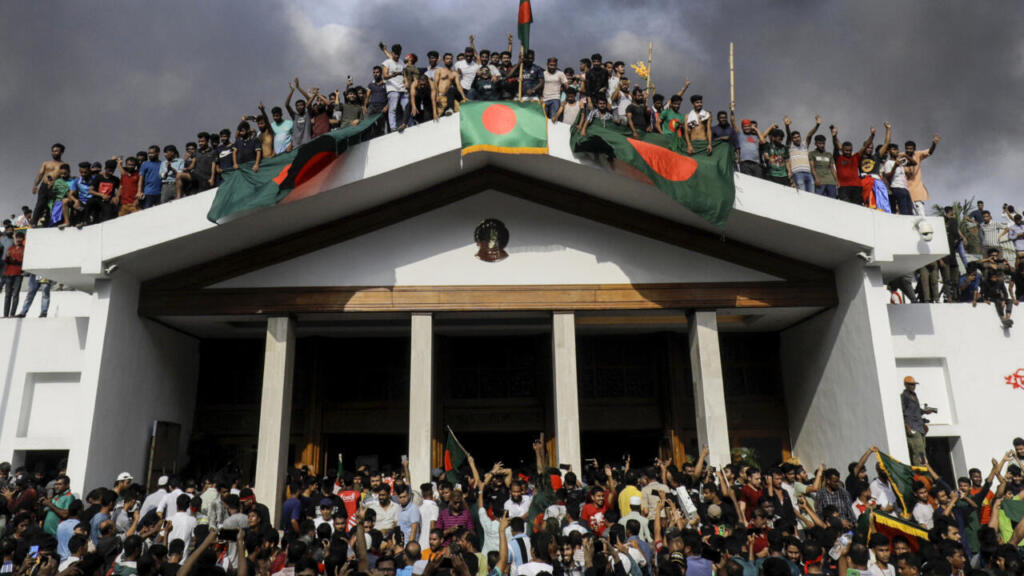
One July afternoon in Dhaka, students marched for fair jobs and a clearer quota system. By night, curfew was in place, troops were on the streets, and mobile data was cut. What began as a campus demand had become a national crisis. In moments like this, money, messages and outside pressure can shape the outcome.
The 2024 quota protests, which toppled the Hasina government, grew after a court revived an older reservation policy. Student groups rallied across cities. Clashes broke out. The state responded with curfew and deployments. Travel advisories followed. Soon the political scene shifted at the top. What mattered to students was jobs and fairness and what changed for the country was the balance between street power and state authority.
US policy tools sat in the background. In 2023 Washington announced a visa-restriction policy aimed at anyone seen as undermining free and fair elections. Two years earlier, the Rapid Action Battalion and several officials were sanctioned under the Global Magnitsky Act. These steps did not cause the protests, but they created a climate where outside pressure had weight. When institutions are under strain, even small signals from major partners can influence decisions.
NGO funding is another live issue. Bangladesh regulates foreign donations through law and through the NGO Affairs Bureau. On paper, that means approvals and audits. In practice, ordinary citizens cannot easily see who funds what and where the money goes. During tense times, that gap feeds suspicion. Clear, public dashboards showing funders, amounts, districts, and outputs would reduce guesswork.
Dhaka officials and pro-government voices spoke of “external interference” and narrative shaping. Rights groups focused on excessive force, arrests, and blocks on information. Both stories can run at once–domestic anger on the streets, and foreign amplification through statements, media, and advocacy. When protests turn violent, each actor tries to frame the moment. That framing can become leverage.
Chaos can be useful to outsiders. A violent night on the streets draws statements, travel warnings, and diplomatic calls. Visa restrictions or targeted sanctions add personal costs for decision-makers. Meetings, grants, and technical support get linked to steps on rights, policing and election timelines. Even without formal conditions, the link is felt. Governments then attempt to manage both the crowd and the review calendar.
The question is, who benefits? Students wanted policy change. Opposition groups saw the ruling bloc under pressure. Foreign capitals gained influence over tone and timing. The only clear win is when street energy becomes workable reform without burning institutions. When that fails, unrest becomes a currency others can spend.
For India, these countries with their unrest are not distant. The border is long and busy, with shared rivers, markets and communities. Unrest raises risks. Attempts to cross during curfews, spikes in smuggling and space for extremist networks. Security forces monitor for spillover while attempting to maintain humane and predictable crossings. Instability also distracts both sides from the routine work that actually keeps the peace trade facilitation, river management, and joint policing of crime.
New Delhi will watch three things. First, the immediate spillover risk along the frontier and the coordination between the Border Security Force and state police. Second, any opening for radical actors in districts where governance is stretched. Third, how great-power pressure on Dhaka nudges alignments because quick cash or quiet diplomacy offered by outsiders can tilt choices in a crisis.
Dhaka has tools it can use right away. Publishing a simple timeline of decisions on quotas, curfews, and internet blocks would lower rumors. Posting casualty and arrest figures with updates would build credibility. Opening a structured dialogue with student leaders, dates, minutes, and follow-up would keep the conversation on policy rather than on the streets. Putting NGO money in the open through a live, bilingual dashboard would take the heat out of funding debates. Setting clear rules for policing protests, with cameras and rapid review of complaints, would answer the concerns that invite outside pressure.
India, for its part, can keep the border calm and the tone quiet. Processing distress cases by the book, sharing information with Dhaka, and avoiding loud briefings help stability. Beyond the crisis, backing jobs and connectivity, power trade, logistics links, and skill pathways give young Bangladeshis more to lose by staying on the streets. Using regional platforms for disaster response and policing cooperation keeps solutions local.
The 2024 protests began at home. The US visa tools, RAB sanctions, and NGO messaging added weight from outside. The test for Dhaka is to turn anger into credible reform without breaking institutions. If the basics are done transparent rules, clean policing and open books on funding the value of chaos drops, and space for steady governance grows.
(Shashwat Gupta Ray is a multiple award-winning defence and strategic affairs journalist with over 20 years of experience in print and digital media. Previously Deputy Editor at Herald Group of Publications and Resident Editor at Gomantak Times, he has extensively covered major events, including the 26/11 Mumbai terror attacks and Maoist insurgencies. He is also the creator of the award-winning YouTube channel Uncovering India, which focuses on impactful social and developmental documentaries.)