









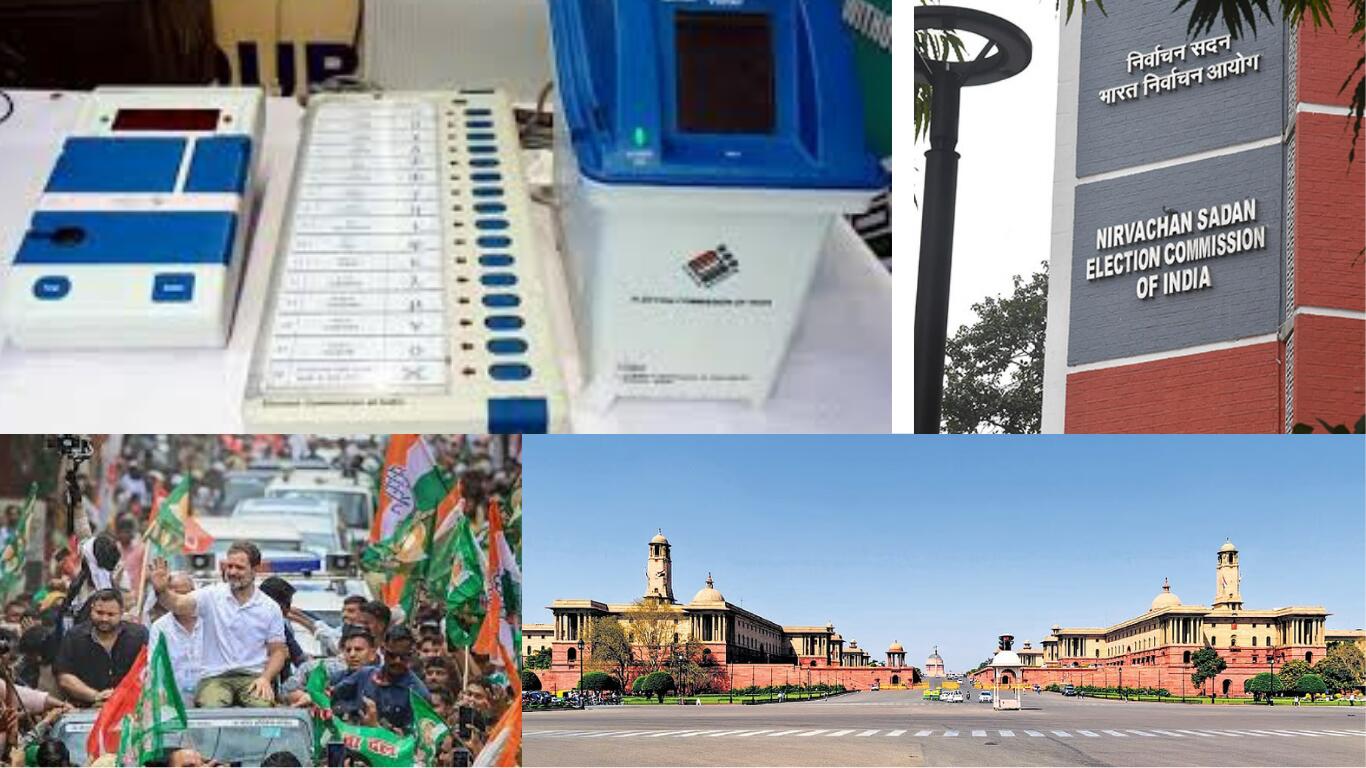
In democratic systems, the sanctity of the vote forms the bedrock of legitimacy. Electoral malpractice undermines not only the outcome of elections but also the faith of citizens in democratic institutions. In India, the term vote-chori literally meaning “vote theft” has emerged as a metaphor to describe alleged manipulation of electoral rolls and other irregularities. Allegations of malpractice have long been part of Indian politics, ranging from impersonation and booth capturing to manipulation of rolls and suspicions of tampering with electronic voting machines (EVMs).
While electoral irregularities occur in many democracies, in India the narrative has acquired a deeper resonance because of the country’s scale, complexity, and history of contested elections. Political actors across the spectrum have invoked the term at different times, turning it into both a political weapon and a source of democratic anxiety.
Present Strategy
In August 2025, the Indian National Congress (INC) revived allegations of large-scale electoral malpractice, this time coining the term vote-chori. The party claimed that widespread additions and deletions in voter lists across states had influenced election outcomes. The Bharatiya Janata Party (BJP), which holds power at the Centre, strongly denied these accusations, dismissing them as baseless, politically motivated, and aimed at discrediting democratic institutions.
The Election Commission of India (ECI) also defended its processes, emphasizing that India’s electoral machinery remains among the most robust in the world. While acknowledging isolated errors in electoral rolls, it rejected suggestions of systematic rigging. Measures such as the introduction of Voter Verifiable Paper Audit Trails (VVPATs) have been highlighted as safeguards, though debates about their adequacy continue. Despite such rebuttals, the narrative of vote-chori continues to dominate campaigns, media debates, and voter perceptions, raising questions about the health of India’s democracy.
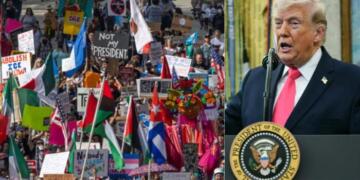
Congress has elevated vote-chori into a “do-or-die” issue, announcing nationwide activities including Loktantra Bachao Mashaal Marches at district headquarters, rallies in state capitals, and signature campaigns to “save the right to vote.” This mobilization serves both as a strategy to energize its voter base ahead of state elections and as a symbolic attempt to present itself as the defender of democracy.
Historical Trajectory of Vote-Chori in India
Allegations of electoral malpractice are neither exclusive to Congress nor new to Indian politics. Regional parties such as the Samajwadi Party (SP), Rashtriya Janata Dal (RJD), Trinamool Congress (TMC), and Aam Aadmi Party (AAP) have also questioned the reliability of EVMs or alleged voter roll manipulations. For example, the SP and BSP jointly petitioned the Supreme Court in 2019 to revert to ballot papers, while the TMC has repeatedly accused the BJP of “stealing” elections in West Bengal. Thus, charges of malpractice are politically convenient across the spectrum, their intensity rising and falling with electoral fortunes.
Concerns about irregularities were voiced as early as the first general elections of 1951–52, though on a limited scale. By the 1960s and 1970s, “booth capturing” became widespread in states like Bihar and Uttar Pradesh, where armed gangs with political backing seized polling stations, intimidated voters, and cast fraudulent ballots. The Election Commission itself acknowledged the difficulties of ensuring free and fair polls in such regions.
The 1975–77 Emergency deepened mistrust as elections were suspended and democratic norms hollowed out. Though the post-Emergency elections restored faith in the process, localized malpractice persisted. The 1990s marked the rise of EVMs, first piloted in 1982 and gradually adopted nationwide. EVMs curtailed booth capturing and ballot box snatching but soon became the focus of new debates, as opposition parties raised concerns about tampering and manipulation. From physical coercion to digital suspicion, vote-chori has remained a recurring theme, reflecting enduring anxieties about India’s electoral integrity.
Global Context of Vote-Chori
Debates about electoral fraud are not unique to India. Around the world, democracies have confronted similar controversies with serious consequences. In the United States, the 2020 presidential election saw former President Donald Trump allege widespread vote theft, despite multiple court rulings and recounts upholding the results. These claims polarized society and culminated in the unprecedented storming of the Capitol on January 6, 2021—demonstrating how narratives of fraud can destabilize even established democracies.
In Latin America, elections in Venezuela under Hugo Chávez and Nicolás Maduro have repeatedly been criticized for irregularities, suppression of opposition, and lack of transparency. In Bolivia, the 2019 presidential election sparked mass protests over alleged manipulation, eventually leading to President Evo Morales’ resignation.
In Europe, Russia has been repeatedly accused of ballot stuffing, curbing opposition, and restricting media freedom, raising doubts about whether its elections genuinely reflect the will of the people.
African democracies too have faced turmoil. Kenya’s 2007 elections triggered violence after claims of rigging, leading to the deaths of over a thousand people. In Zimbabwe, elections have long been clouded by accusations of intimidation and misuse of state machinery, eroding trust in peaceful democratic change.
India’s case illustrates how even mature democracies are vulnerable to narratives of electoral fraud, particularly in polarized environments. The challenge lies not only in ensuring the actual integrity of elections but also in safeguarding their perceived legitimacy. The global record makes clear that when either dimension is compromised, democracy itself becomes fragile.
Impact on Indian Democracy
The continuing debate on vote-chori has serious implications for India’s democratic fabric. Repeated allegations of malpractice, even when unproven, weaken public confidence in elections. Democracy depends on the trust of citizens, and if that trust erodes, the entire system risks becoming hollow. Institutions like the Election Commission of India, once seen as firmly impartial, face credibility challenges when their neutrality is questioned. This intensifies partisan divides, with ruling and opposition parties trading accusations of undermining democracy.
Such debates often spill into the streets in the form of protests, marches, and confrontations, destabilizing governance and straining social harmony. Internationally, India’s image as a vibrant democracy also suffers when doubts about electoral integrity dominate global headlines. In this way, the vote-chori discourse extends beyond political competition to touch the very legitimacy of India’s democratic model.
Impact on Indian Youth
For India’s younger generation, which makes up nearly two-thirds of the population under 35, the vote-chori debate carries important lessons. They must recognize that the right to vote lies at the core of citizenship, and with it comes the responsibility to safeguard democratic institutions. Instead of accepting political claims uncritically, young citizens should evaluate both government and opposition narratives with reasoned judgment.
Their growing digital literacy places them in a strong position to demand greater transparency in the electoral process, whether through stronger VVPAT audits or by exploring secure digital methods of voting. More importantly, youth can play an active role in safeguarding democracy by volunteering as polling agents, serving as election monitors, or working as citizen journalists to report irregularities. Above all, they must resist cynicism. Disillusionment may be natural in the face of constant allegations, but disengagement only creates space for malpractice. Active participation and vigilance are the most effective tools the younger generation has to ensure that India’s democracy remains strong and credible.
Conclusion
Looking ahead, the judiciary and constitutional bodies must adopt a firmer stance against unverified and misleading allegations of electoral malpractice. Strong disciplinary action against political parties or individuals making false claims could serve as a deterrent, and suo moto cognizance of such cases may be necessary to uphold the dignity of democratic institutions. The health of India’s democracy forms part of the basic structure of the Constitution, and protecting it is an essential duty of the judiciary.
At the same time, Indian voters especially the youth must not be swayed by fraudulent statements or politically motivated narratives. By exercising critical judgment and participating actively in the democratic process, citizens can ensure that trust in elections remains intact. Only through accountability, vigilance, and active engagement can India continue to strengthen its democratic foundations.