
















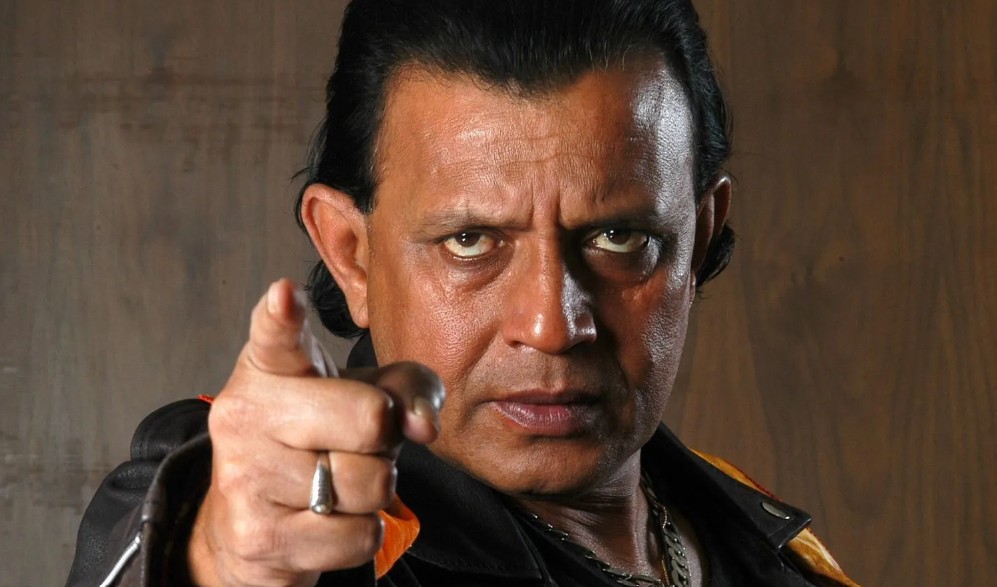
Renowned actor and BJP leader Mithun Chakraborty has filed a Rs 100 crore civil defamation suit against Trinamool Congress (TMC) spokesperson Kunal Ghosh in the Calcutta High Court.
According to sources, the actor has alleged that Kunal Ghosh made false and malicious statements targeting him and his family, motivated by political vendetta.
In his petition, Chakraborty claims that Ghosh falsely linked him to a chit fund scam and alleged that he had switched from TMC to BJP to evade investigation.
Chakraborty also accused Ghosh of spreading baseless rumours about his son being involved in a rape case—an allegation he strongly denied.
Citing his past role as a Rajya Sabha MP and honours including the Padma Bhushan and Dadasaheb Phalke Award, the actor stated that the defamatory remarks have severely impacted his and his family’s reputation, honour, and social standing.
He further claimed that the controversy had caused professional losses in his film and advertising career.
As per court records, Chakraborty paid Rs 50,000 as court fees. While the hearing date is yet to be officially announced, sources suggest that the case may be listed next week.
Kunal Ghosh Responds with Legal Counteraction
In response, TMC spokesperson Kunal Ghosh said he would also be initiating legal proceedings against Chakraborty.
“I have heard that he has filed a Rs 100 crore defamation case, but I am yet to receive any official notice. I have also filed a case against him and will be serving the notice shortly,” Ghosh stated.
Ghosh revealed that apart from Mithun’s civil defamation suit in the Calcutta High Court, he has lodged a criminal defamation case against Chakraborty at the Bankshall Court, citing defamatory remarks made by the actor against him.
The TMC leader also confirmed that Chakraborty had earlier sent him a legal notice, to which his legal counsel, Ayan Chakraborty, has already submitted a reply.
The TMC leader further announced his intention to request a CBI investigation into the allegations he has made against Chakraborty, once the matter is heard in the High Court.