
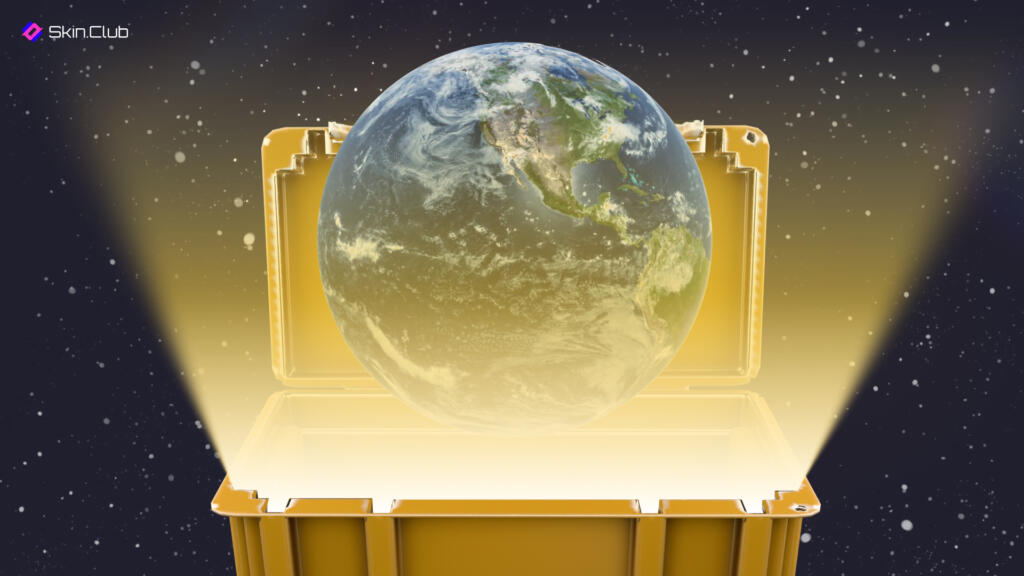
For many years, people viewed video games as entertainment only. In today’s digital economy, games create markets that can rival real industries. One strong example is the world of Counter-Strike 2 cases and skins.
For India and other countries in the global South, skins are not only game items. They show how digital goods influence economics, culture, and even global power. Skins combine scarcity, demand, and identity. These same forces also drive real-world financial systems. To study CS2 skins is to see how digital assets change societies. For India, this has importance as the country aims to lead in the digital economy of the 21st century.
The Skin Economy: A Market of Billions
When Valve added cosmetic skins to Counter-Strike, few people expected a large market. Today, the e-sports and in-game items industry earns billions every year, almost the same as film or music.
CS2 skins now act like digital collectibles:
- Scarcity: Rare skins such as Dragon Lore or Crimson Web knives hold value like rare stamps or watches.
- Utility: Players can trade, sell, or show them during games.
- Cultural Capital: Within online communities, a skin works as a symbol of status.
This economy grows because of case openings. Players buy sealed cases and hope to get rare items. Platforms such as the CS2 (CS:GO) case opening site now serve as major centers for this market. They give players structured ways to open cases and take part in the economy.
Why This Resonates with Indian Audiences
The CS2 skin market connects to larger changes in India: a growing middle class, an expanding digital economy, and a mix of fun with investment.
Aspiration and Identity
- Luxury goods shape social position in traditional life. Rare skins play the same role in digital life.
- Young Indians with more disposable income buy skins to show digital status.
Investment Logic
- Some players treat skins as assets that gain value, much like cryptocurrency.
- High-value skins sell for thousands of dollars, showing behavior similar to speculative markets.
Integration With Global Markets
- Indian gamers trade skins in a global marketplace, without barriers of borders.
- This mirrors India’s effort to join global supply chains and digital industries.
The Role of Community in Value Creation
Physical goods often gain value from material cost or function. CS2 skins work differently. Their worth comes almost entirely from community interest.
A rare skin does not give an advantage in the game. Players decide its value through desire and demand. Online groups, reviews from influencers, and even memes can quickly raise a skin’s price. This resembles cryptocurrency markets, where community trust defines value.
For India, this shows how social participation can drive economies. When people join together, they can build markets worth billions. The CS2 market proves that trust and hype can turn entertainment into economic power.
CS2 Cases as a Microcosm of Global Trade
The process of case opening in CS2 looks much like global trade and finance.
- Risk and Reward: Opening a case is a gamble with low odds but high possible gain. This is similar to speculative investments.
- Market Scarcity: Valve decides how often rare skins appear. By controlling rarity, they control value, like oil producers manage supply.
- Cultural Branding: Skins often reflect cultural ideas, stories, or styles. They spread soft power in digital form.
These links show how CS2 acts as a live model of digital capitalism.
Regulation, Ethics, and the Geopolitical Angle
The skin economy grows quickly, but it also raises serious questions. Should case openings count as gambling? Should governments regulate digital item trading?
- Western Concerns: Countries like Belgium banned loot boxes, calling them gambling.
- Asian Growth: India, China, and Southeast Asia continue to see growth in the skin economy, though rules may arrive soon.
- Geopolitical Stakes: Nations that control digital markets — skins, NFTs, or in-game goods — gain influence both financially and culturally.
India’s leaders face a clear choice: take part in this new industry or allow foreign companies to control it.
Lessons for India’s Digital Economy
The CS2 skin market offers several important lessons for India.
Digital Sovereignty
India promotes the idea of Atmanirbhar Bharat (self-reliant India). To stay true to this goal, the country needs homegrown platforms for digital trade. If Indian developers and entrepreneurs lead in this sector, the wealth created will stay within India’s borders.
Innovation Beyond IT Services
India is often praised as the “back office of the world.” But the skin and case economy shows that the country can go further. The future lies not only in IT services but also in building and selling digital products.
Youth Engagement
India has more than 600 million people under the age of 25. They are both consumers and creators. By channeling their interest in gaming, India can grow digital exports, build a strong esports industry, and expand its cultural influence worldwide.
Digital Skills and Employment Opportunities
The CS2 case opening world does more than entertain. It also creates new ways to earn. Streamers, traders, and content creators make money by working with skins and cases. Entrepreneurs design platforms for trading. This trend points to a new gig economy inside gaming.
A teenager might start a YouTube channel about skins, while another might design graphics inspired by CS2. These examples show how digital economies open jobs that did not exist a decade ago. With the right support, India can create thousands of jobs in esports, fintech, and digital design, all of which match its vision of becoming a global digital hub.
Digital Skills and Employment Opportunities
The CS2 case opening ecosystem does not only create entertainment but also new forms of employment. Streamers, traders, and content creators earn income by engaging with skins and cases, while entrepreneurs build platforms to facilitate trades. For countries like India, this signals the rise of a parallel gig economy within gaming. A young player may become a YouTube commentator specializing in skins, while another may design custom graphics inspired by CS2 culture. The lesson is clear: digital economies generate work opportunities unthinkable a decade ago. By nurturing talent in this space, India could create thousands of jobs in esports, fintech, and digital design — industries aligned with its ambition to become a global digital hub.
Skins as a Gateway to Digital Financial Literacy
One hidden benefit of the CS2 skin market is its role in teaching finance. Young players who trade skins learn about supply and demand, speculation, and risk management. They often understand these basics before they ever enter a stock market.
For India, this offers a chance to prepare a generation with early exposure to economic thinking. Concepts like inflation, scarcity, and return on investment become real through practice. While risks remain, these lessons can make Indian youth better equipped to handle real-world financial systems.
Why Skins Matter Beyond the Game
Some may call skins unimportant. History suggests otherwise. Civilizations have always valued symbols and status markers, from Roman coins to Mughal jewels. In the digital age, skins carry similar meaning. They reflect:
- Identity: Digital items shape how people present themselves in virtual spaces.
- Economics: Skins drive spending, trading, and revenue.
- Culture: Game styles influence fashion, music, and even film.
Structured Example: India and CS2 Skins
Looking at both traditional and digital markets shows how close the parallels are.
Traditional Market
- Commodities: Gold, oil, spices
- Mechanisms: Auctions, contracts, futures
- Value Drivers: Scarcity, demand, branding
- Risk: Market volatility
CS2 Skin Market
- Commodities: Rare knives, rifles, case drops
- Mechanisms: Case openings, peer trades, platforms
- Value Drivers: Rarity, community demand, aesthetics
- Risk: Random outcomes, speculative bubbles
Both markets follow the same rules: scarcity, demand, and risk create value.
The Road Ahead: Opportunities and Caution
The future of skins brings excitement but also challenges. Moving forward requires balance:
- Balanced Regulation: Protect young people from harmful spending habits while allowing innovation to grow.
- Domestic Platforms: Support Indian startups that can build marketplaces and keep value within the country.
- Global Positioning: Use gaming economies to strengthen India’s place in the digital economy worldwide.
Conclusion: A New Kind of Bharat Gold
In the past, power belonged to those who controlled gold, spices, or oil. Today, influence is moving toward digital assets. CS2 skins may look small, but they act as modern tools for learning about economics, culture, and sovereignty.
For India and other nations, the lesson is simple: future wealth may come not from what lies underground, but from what exists online.