
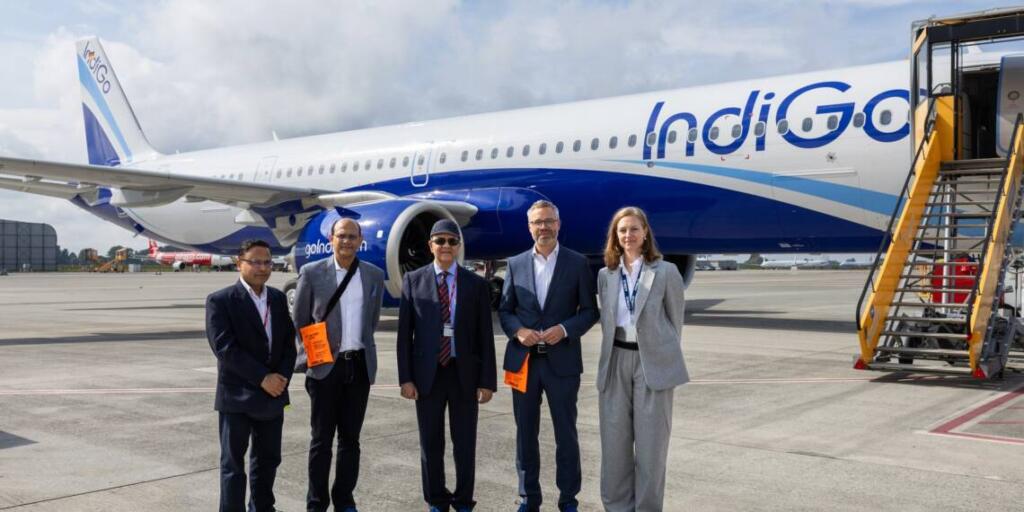
In a visit that underlined the growing strength of Indo-European industrial ties, Ambassador Ajit V Gupte, India’s envoy to Germany, recently toured Airbus’ world-class assembly facility in Hamburg. The visit highlighted not just India’s growing role in global aviation but also reaffirmed a six-decade-old partnership that is rapidly evolving into a deep industrial and technological collaboration. The Airbus story is no longer about foreign-made aircraft entering the skies of Air India or IndiGo it is equally about Indian engineers, suppliers, and innovators shaping the future of aviation at the global level.
From Aircraft Buyers to Strategic Partners
India’s association with Airbus began more than 60 years ago, when Indian airlines first started inducting its aircraft. Over the decades, the relationship has transformed beyond the simple buyer-seller dynamic. Today, Indian professionals and industries are directly contributing to the global Airbus value chain. Indian engineers are involved in designing and developing aircraft systems, while suppliers across the country provide aerostructures, composites, avionics, and electrical systems that go into every Airbus jet built worldwide.
Ambassador Gupte’s visit came at a time when India’s aviation sector is undergoing unprecedented growth. Rising disposable incomes, government investment in airport infrastructure, and a booming middle-class market for air travel have put India at the center of global aviation expansion. Airbus has been quick to recognize this momentum. In 2023, Air India, now under Tata Group management, placed a historic order for 250 Airbus aircraft, including the new-generation A320neo and the wide-body A350 jets. In 2024, IndiGo went even bigger, with a record-breaking order of 500 Airbus aircraft the largest single purchase in aviation history. These deals, collectively worth tens of billions of dollars, signal not just confidence in Airbus but also India’s arrival as a decisive global aviation market.
Building India’s Role in Global Aviation
The true significance of Airbus in India lies not just in these headline-making aircraft orders but in the deeper integration of Indian industry into Airbus’ global ecosystem. Over 100 Indian suppliers today deliver critical parts for Airbus aircraft. Companies manufacture components like fuselage sections, electrical harnesses, landing gear parts, and composite structures. Each Airbus plane that takes off anywhere in the world carries the imprint of Indian manufacturing.
In Bengaluru and Pune, Airbus has also established engineering and digital centers employing over 2,000 Indian engineers. These hubs work on frontier technologies such as AI-driven flight operations, cybersecurity, digital manufacturing, and next-generation aircraft design. For Indian youth, this is an opportunity to work at the cutting edge of aerospace innovation without leaving the country. Airbus has also invested heavily in training and skilling initiatives in partnership with Indian academic institutions, creating a strong pipeline of talent for the aviation industry. Thousands of technicians and engineers have been trained in advanced aviation skills, further boosting India’s reputation as a skilled workforce hub.
Airbus Gains as Boeing Struggles
Ambassador Gupte’s Hamburg visit also came against the backdrop of a shifting global aviation industry. Airbus has been steadily pulling ahead of its American rival Boeing, which has been facing serious challenges in recent years. Boeing’s troubles ranging from aircraft safety controversies to production delays and regulatory hurdles have eroded confidence among global carriers. Airbus, on the other hand, has consistently delivered on timelines and quality, making it the preferred supplier for airlines worldwide.
For India, this shift has been significant. Carriers like Air India, IndiGo, and Vistara have leaned towards Airbus for reliability, efficiency, and after-sales support. Airbus’ deep integration with Indian industry also makes it more than just an aircraft manufacturer it becomes a partner in long-term growth. Analysts point out that Airbus’ strategy of investing locally, building engineering capabilities, and aligning with India’s growth story has helped it secure dominance in one of the world’s fastest-growing aviation markets.
A Shared Vision for Sustainable Aviation
One of the most critical aspects of the India-Airbus partnership today is its focus on sustainability. As India expands its aviation sector, reducing carbon emissions has become a priority. Airbus is investing heavily in greener technologies, including sustainable aviation fuel (SAF), hydrogen-powered aircraft, and hybrid-electric propulsion. India, too, has pledged to align its aviation growth with climate-friendly goals.
Airbus is actively working with Indian policymakers and industry stakeholders to create an ecosystem for sustainable aviation. This includes R&D collaborations, policy support, and even infrastructure development for SAF adoption. Airbus has emphasized that India’s green aviation ambitions can only be realized through technology-sharing and global best practices and it has committed itself to be a key enabler of that journey.
India and Airbus : Partners for the Next Century
Ambassador Gupte’s Hamburg tour was not just a ceremonial diplomatic event; it was symbolic of a partnership that has matured from aircraft sales into strategic industrial collaboration. For India, Airbus represents much more than a supplier of jets it is a partner in skill development, engineering innovation, job creation, and sustainability.
With India projected to become the third-largest aviation market in the world by 2030, the next chapter of this partnership will be even more significant. Airbus’ growing orders, deepening industrial footprint, and long-term vision align perfectly with India’s aspirations of becoming a global aviation hub. From Indian skies to global assembly lines, this collaboration stands as a model of how industrial partnerships can drive shared growth.